
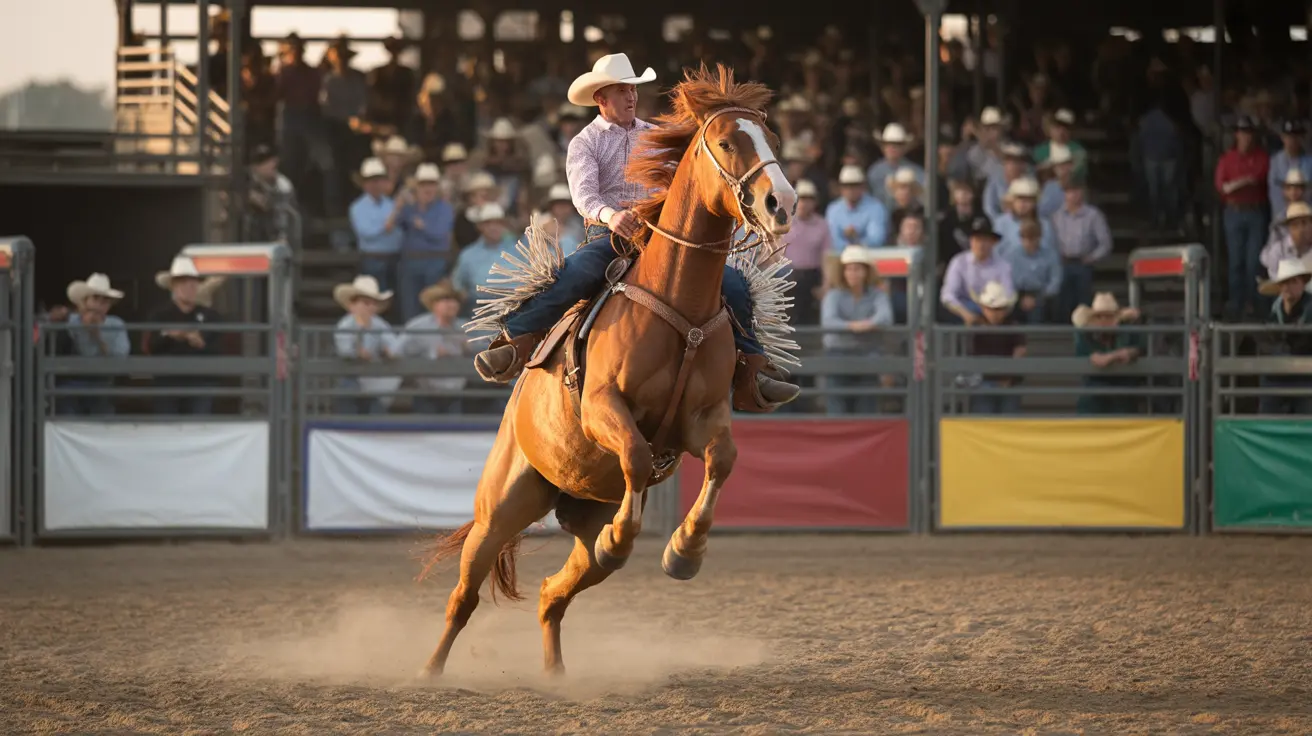
Animal Health Certificates for Fairs: The Foundation of Interstate Transport
The cornerstone of North Dakota's interstate animal movement regulations is the Certificate of Veterinary Inspection (CVI), commonly known as a health certificate. This document must be completed by an accredited veterinarian and serves as proof that your animals have been examined and deemed healthy for transport.
Health certificates for cattle North Dakota requires must be issued within 30 days of entry for most livestock species, though specific timeframes may vary depending on the type of animal and the tests required. The examining veterinarian will assess the animals' overall health status and verify that all necessary testing has been completed according to North Dakota's standards.
Required Testing by Species
Different animal species require specific disease testing as part of the rodeo animal documentation process:
For cattle, brucellosis testing livestock is mandatory, along with tuberculosis testing depending on the state of origin. These tests help prevent the spread of diseases that could devastate local herds and impact the broader agricultural economy.
Equine movement requirements include negative Coggins test for horses ND, which screens for Equine Infectious Anemia. This blood test must be conducted annually and the results must be current at the time of entry.
Sheep and goats must have proper scrapie ID sheep goats identification, which includes official USDA scrapie tags or tattoos. This identification system helps track animals and prevent the spread of scrapie, a fatal neurological disease.
Swine entering the state require swine pseudorabies testing and may need additional vaccinations depending on their intended use and the fair's specific requirements.
Show Animal Transport Rules: Planning Ahead for Success
Successful participation in North Dakota's fair circuit requires careful advance planning. The North Dakota agriculture animal entry process typically takes several weeks to complete, especially when multiple tests are required.
Fair circuit livestock paperwork should be initiated at least 30-45 days before your planned arrival date. This timeline allows for scheduling veterinary examinations, processing test results, and obtaining the necessary certificates without rushing.
Working with Your Veterinarian
Establishing a relationship with an accredited veterinarian who understands interstate movement requirements is crucial for regular exhibitors. These professionals can help you maintain current testing schedules and ensure your animals remain eligible for interstate transport throughout the show season.
Many experienced exhibitors maintain annual testing schedules that keep their animals ready for transport at any time during fair season, reducing last-minute stress and ensuring they don't miss important events due to paperwork delays.
North Dakota Fair Animal Permits: Additional Considerations
Beyond health certificates and testing, some fairs may require additional North Dakota fair animal permits or documentation. Individual fair organizers may have specific requirements that go beyond state minimums, so it's essential to contact event organizers directly to understand their complete documentation needs.
These additional requirements might include proof of vaccination for specific diseases, additional identification requirements, or special permits for certain types of exhibitions or competitions.
Frequently Asked Questions
- What documents do I need to bring livestock into North Dakota for fairs and rodeos? You'll need a current Certificate of Veterinary Inspection (health certificate) issued by an accredited veterinarian, along with proof of required testing specific to your animal species, such as brucellosis testing for cattle or Coggins testing for horses.
- How far in advance should I prepare movement permits for show animals to North Dakota fairs? Start the documentation process 30-45 days before your planned entry date. This allows sufficient time for veterinary examinations, laboratory testing, and processing of certificates without rushing.
- What are North Dakota's entry requirements for animals from neighboring states like Montana or South Dakota? Requirements are the same regardless of the originating state. All out-of-state animals must have current health certificates and complete species-specific testing, even if coming from neighboring states with similar agricultural practices.
Ensuring Smooth Entry for Your Show Animals
Proper preparation of documentation ensures that your animals can enter North Dakota without delays, protecting both your investment in show preparation and the health of the broader livestock community. By working closely with qualified veterinarians and understanding these requirements well in advance, exhibitors can focus on what they do best – showcasing their animals and participating in the rich tradition of agricultural fairs and rodeos that make North Dakota's fair season so special.




