
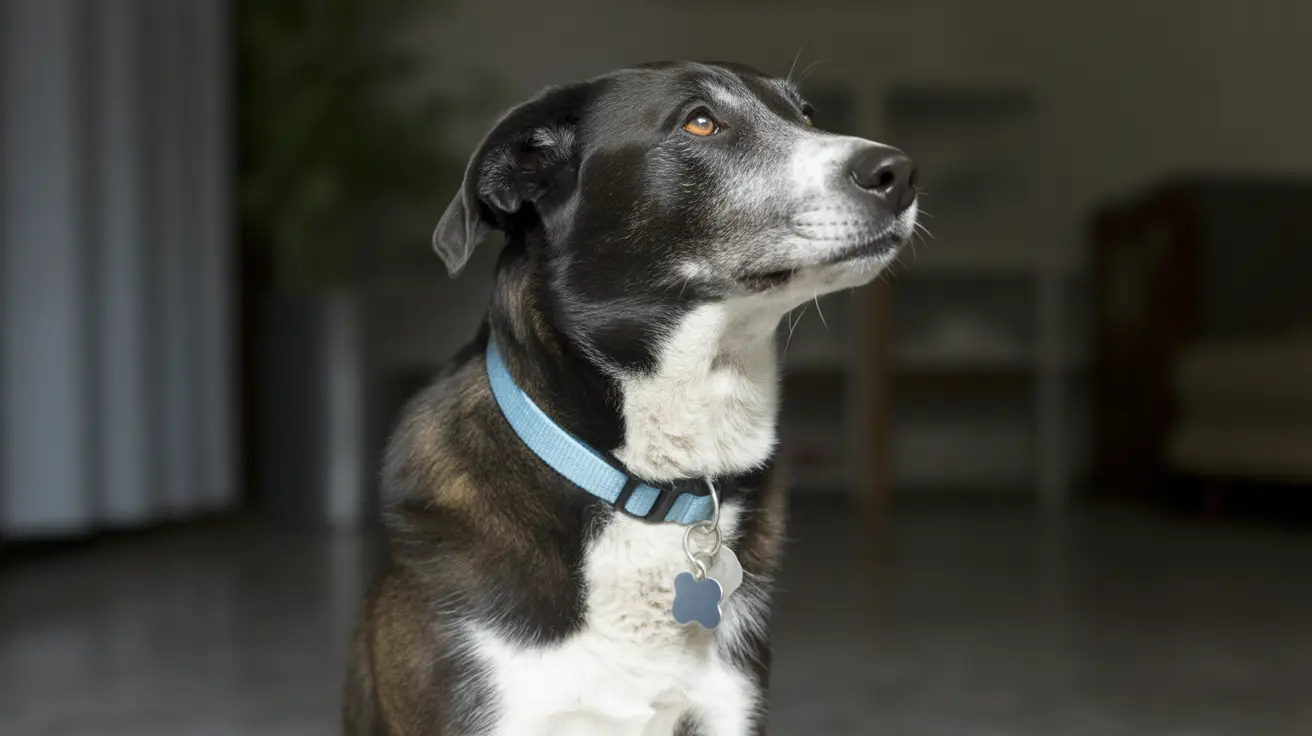
The Animal Legal Defense Fund (ALDF) has ranked North Dakota as having the nation's worst animal protection laws, highlighting a significant crisis in animal welfare across the state. This troubling designation means that those who abuse or abandon pets in North Dakota generally face fewer legal consequences compared to other states, creating serious challenges for animal shelters and rescue organizations working to protect vulnerable animals.
The weak legal framework surrounding animal cruelty and abandonment has far-reaching implications for pet owners, animal advocates, and the broader community. Understanding these legal gaps and their impact on animal welfare is crucial for anyone interested in improving conditions for pets and working animals throughout North Dakota.
Understanding North Dakota's Animal Protection Law Deficiencies
According to the Animal Legal Defense Fund's comprehensive analysis, North Dakota's animal protection statutes fall short in several critical areas. The state's legal framework fails to provide adequate deterrents for animal cruelty and abandonment, resulting in minimal consequences for offenders. This regulatory weakness creates an environment where animal abuse can persist without meaningful legal intervention.
The ALDF ranking system evaluates states based on various factors including the comprehensiveness of anti-cruelty laws, penalties for violations, and legal protections for animals in different situations. States with strong animal protection laws typically include provisions for felony-level charges for severe cruelty, mandatory reporting requirements, and enhanced penalties for repeat offenders.
The Impact on No-Kill Shelters and Animal Rescue Organizations
Weak animal protection laws directly affect the operations of no-kill shelters and rescue groups throughout North Dakota. When legal consequences for animal abandonment and neglect are minimal, shelters often become overwhelmed with surrendered and stray animals. This increased intake pressure makes it more challenging for facilities to maintain no-kill status while providing adequate care for all animals.
No-kill shelters aim to save at least 90% of the animals in their care, focusing on rehabilitation, medical treatment, and finding permanent homes. However, when communities lack strong deterrents against animal abandonment, shelters must allocate more resources to intake and initial care rather than adoption programs and community outreach initiatives.
Challenges Facing Animal Welfare in North Dakota
The designation as the worst state for animal protection laws creates multiple challenges beyond shelter operations. Pet owners may lack awareness about proper animal care standards, and veterinarians might encounter more cases of neglect that could have been prevented with stronger legal frameworks and education programs.
Animal welfare organizations in North Dakota must work harder to educate the public about responsible pet ownership while advocating for legislative improvements. This dual focus on immediate animal care and long-term policy change requires significant resources and community support.
Building Stronger Communities Through Animal Welfare Reform
Improving animal protection laws benefits entire communities by promoting compassion, reducing public health risks associated with animal neglect, and creating safer neighborhoods. States with comprehensive animal welfare legislation often see reduced rates of domestic violence, as research has shown connections between animal cruelty and other forms of violence.
Effective animal protection laws typically include provisions for education programs, mandatory spay/neuter initiatives, and support for low-income pet owners who need veterinary assistance. These comprehensive approaches address root causes of animal abandonment and neglect while building community capacity for animal welfare.
The Path Forward for North Dakota Animal Welfare
Despite the current challenges, opportunities exist for improving animal protection in North Dakota. Grassroots advocacy, collaboration between animal welfare organizations, and engagement with state legislators can drive meaningful policy changes. Successful animal welfare reforms in other states provide blueprints for strengthening North Dakota's legal framework.
Supporting local animal shelters, rescue organizations, and advocacy groups remains crucial for immediate animal welfare needs while longer-term legislative solutions develop. Pet owners can contribute by ensuring their own animals receive proper care, supporting spay/neuter programs, and staying informed about animal welfare issues in their communities.
Frequently Asked Questions
- Why does North Dakota have the worst animal protection laws in the US?
According to the Animal Legal Defense Fund's analysis, North Dakota's animal protection laws lack comprehensive provisions for preventing and prosecuting animal cruelty. The state's legal framework provides fewer consequences for those who abuse or abandon pets compared to other states, resulting in weaker deterrents and less protection for animals.
- What does no-kill shelter status mean, and how do weak laws affect this goal?
No-kill shelter status means saving at least 90% of animals in care through adoption, transfer, or return to owners. Weak animal protection laws can increase shelter intake due to higher abandonment rates and inadequate prevention measures, making it more challenging for shelters to maintain no-kill status while providing quality care.
- What can be done to improve animal welfare laws in North Dakota?
Improving animal welfare requires coordinated advocacy efforts including grassroots organizing, legislative engagement, public education campaigns, and collaboration between animal welfare organizations. Supporting local shelters and rescue groups while advocating for stronger legal protections can help drive meaningful reform.




