
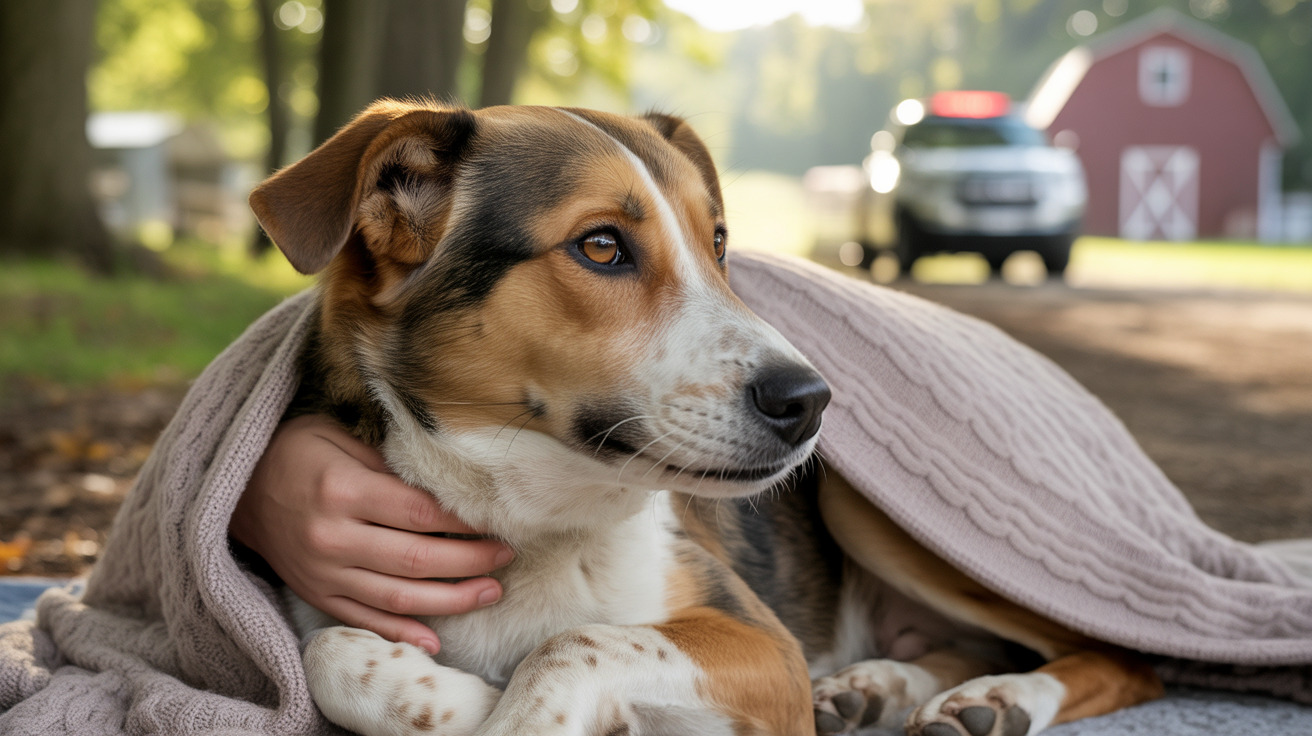
The Scale of Oswego County Animal Cruelty
Lt. Andrew Bucher, spokesman for the Oswego County Sheriff's Office, confirmed that the rescued animals included cows, sheep, pigs, chickens, cats, dogs, goats, ducks, geese, and chinchillas. The diverse mix of species created complex challenges for the rescue teams, as each type of animal required specialized care and handling protocols.
Investigator Lindsey Smith, who handles animal abuse investigations for the sheriff's office, described the scene as "the worst she's ever seen." The smell of feces was reportedly detectable from a football field away from the property, indicating the severe unsanitary conditions the animals endured.
Multi-Species Hoarding Challenges
Animal hoarding cases involving multiple species present unique difficulties for rescue operations. Unlike single-species situations, responders must coordinate specialized veterinary care, appropriate housing, and species-specific nutritional needs simultaneously. The Mexico NY animal hoard required expertise from various animal welfare organizations working together.
More than 50 volunteers from the Oswego County SPCA, the Humane Society, North Country Veterinary, the local fire department, and other organizations participated in the Friday night rescue operation. This collaborative effort demonstrates the community resources required to address severe animal neglect cases effectively.
Signs of Animal Hoarding and Prevention
Property owners and neighbors should be aware of warning signs that may indicate animal hoarding situations. These include overwhelming odors, visible accumulation of animal waste, animals appearing malnourished or sick, and properties with far more animals than can be reasonably cared for. The Oswego County case exemplified many of these red flags.
Legal Consequences and Registry
The timing of this case coincided with new legislation in Oswego County. Local lawmakers had just passed a law creating an online registry for individuals convicted of animal abuse crimes, prohibiting them from owning animals in the future. The registry includes anyone 18 or older convicted of animal abuse in Oswego County or county residents convicted elsewhere in New York.
Individuals placed on the registry face a 15-year prohibition from owning animals or having them live in their homes, even if the animals belong to someone else. Repeat offenders receive lifetime bans from animal ownership.
Rural Animal Abuse Investigation Complexities
Rural properties often present unique challenges for animal welfare investigations. The remote locations can delay discovery of abuse, while the larger spaces may enable hoarding behaviors to escalate unchecked. Officials noted that this particular property was not operating as a legitimate farm, and the animals clearly were not receiving proper care.
No arrests were made immediately following the rescue, though Lt. Bucher indicated that charges were pending. The investigation's complexity requires thorough documentation of each animal's condition and careful legal preparation to ensure successful prosecution.
Community Response and Animal Care
The Animal Refuge Center and other local organizations took responsibility for counting and caring for the rescued animals. Due to the large number and variety of species involved, officials acknowledged it would take time to complete a final tally of all animals removed from the property.
The rescue operation's primary focus remained on the immediate welfare of the animals rather than rushing toward arrests. This approach ensures that evidence collection proceeds methodically while prioritizing animal care and rehabilitation.
Frequently Asked Questions
- What happened in the 2017 Oswego County animal cruelty case with over 100 animals?
More than 100 animals of various species were rescued from a property in Mexico, New York, after investigators discovered severe neglect and abuse. The rescue involved dozens of volunteers and multiple organizations working together to remove cows, sheep, pigs, chickens, cats, dogs, goats, ducks, geese, and chinchillas from deplorable conditions.
- How can pet owners spot signs of animal hoarding or severe neglect on a property?
Warning signs include overwhelming odors detectable from significant distances, visible accumulation of animal waste, animals appearing malnourished or sick, and properties housing far more animals than can be reasonably cared for. If you suspect animal hoarding, contact local animal control or law enforcement.
- What are common challenges in multi-species animal hoarding cases like the one in Oswego County?
Multi-species hoarding cases require coordinated responses involving veterinary specialists for different animal types, varied housing and care requirements, and complex logistics for rescue operations. These situations often demand collaboration between multiple animal welfare organizations and significant community volunteer support.
The Oswego County animal rescue serves as a stark reminder of the importance of community vigilance and the resources required to address severe animal neglect cases. Through coordinated efforts and new legislative measures, communities can better protect vulnerable animals from similar situations.




