
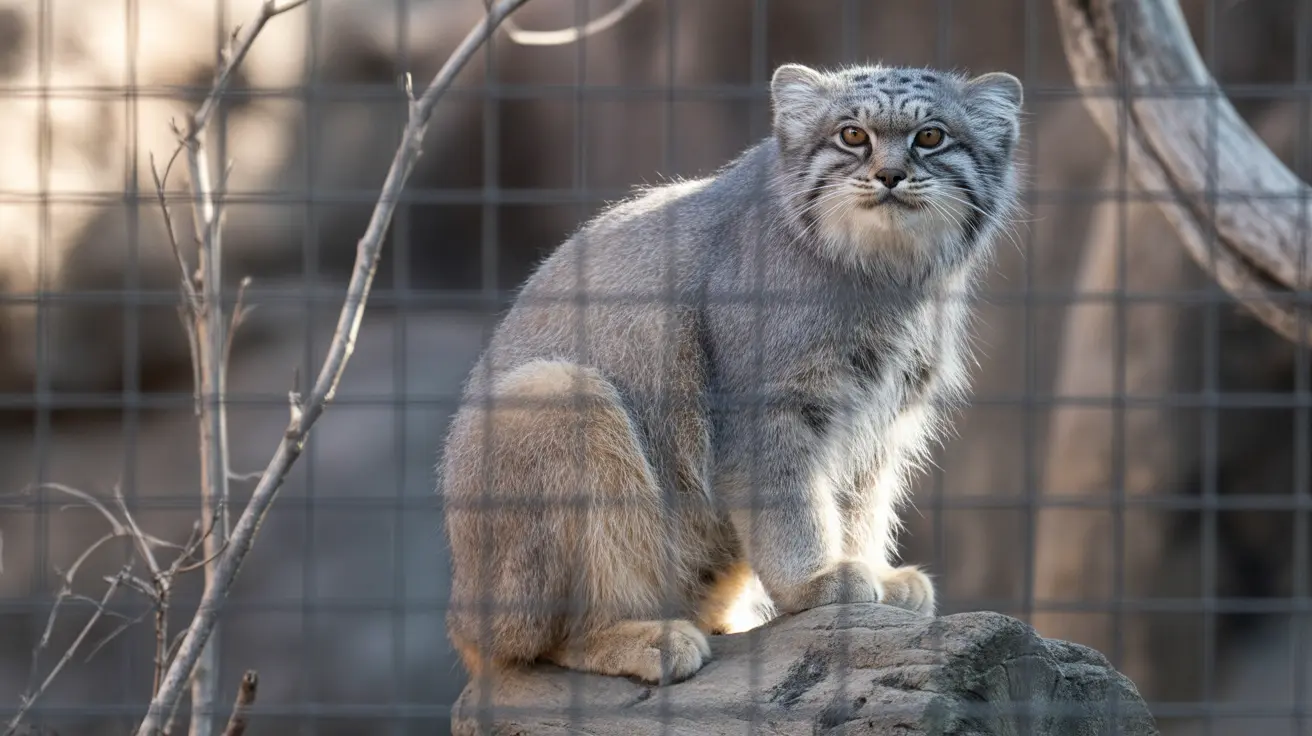
The Pallas's cat, scientifically known as Otocolobus manul, has captured hearts worldwide with its perpetually grumpy expression and stocky build. This remarkable small wild felid from Central Asia has become an unexpected internet sensation, earning recognition as a featured animal at various zoos and conservation programs. Despite their amusing appearance, these cats represent an important conservation story that pet lovers and wildlife enthusiasts should know.
Also called the manul cat, this species offers fascinating insights into wild feline behavior and adaptation. Their distinctive appearance and unique hunting strategies make them one of the most intriguing members of the cat family, though their conservation status raises important concerns about habitat preservation and human impact on wildlife.
Understanding the Pallas's Cat's Distinctive Features
The Pallas's cat's famous grumpy expression isn't just for show—it's a remarkable evolutionary adaptation. Their round faces, low-set ears, and wide-set eyes create perfect camouflage among the rocky terrain of their native habitat. This owl-like facial structure helps them blend seamlessly into their environment, making them nearly invisible to both prey and predators.
These compact cats are built for survival in harsh conditions. Their dense, long fur coat provides essential insulation against extreme temperatures, while their short legs and stocky build help them navigate rocky landscapes efficiently. Unlike domestic cats, Pallas's cats have round pupils rather than vertical slits, another adaptation to their specific hunting environment.
Pallas's Cat Habitat and Geographic Range
Native to Central Asia, the wild cat Central Asia calls home spans across 17 countries, from the Caspian Sea region to the Tibetan Plateau. This vast range includes steppes, grasslands, and rocky areas where these cats have evolved to thrive in extreme conditions. The Pallas's cat habitat typically features sparse vegetation, rocky outcrops, and elevations up to 16,000 feet.
These cats prefer areas with abundant small mammal populations and adequate shelter among rocks and burrows. Their habitat requirements are quite specific, which makes them particularly vulnerable to environmental changes and human encroachment.
Diet and Hunting Behavior of the Nocturnal Cat Species
As strict carnivores, Pallas's cat diet and hunting patterns revolve around small mammals, particularly pikas and voles, which comprise 70-90% of their food intake. These nocturnal hunters also consume birds, lizards, and insects when available. Their hunting strategy relies heavily on patience and stealth rather than speed, making them perfectly adapted to their rocky environment.
Unlike many cat species, Pallas's cats are poor runners but excellent ambush predators. They use their exceptional camouflage to remain motionless for hours, waiting for prey to come within striking distance. This hunting method requires significant energy conservation, which explains their relatively sedentary lifestyle during daylight hours.
Conservation Challenges and Zoo Programs
The Pallas's cat conservation status is currently listed as Near Threatened, with the global population estimated between 50,000-200,000 mature individuals. Multiple factors threaten their survival, including habitat loss from overgrazing, rodenticide poisoning, climate change, and retaliatory killings by herders.
Zoo Pallas's cats play a crucial role in conservation efforts. Approximately 50 individuals live in over 20 facilities as part of the AZA Species Survival Plan (SSP). These Pallas's cat breeding programs contribute valuable research data and maintain genetic diversity for potential reintroduction efforts. GPS tracking studies conducted in zoo settings have revealed important insights about their nocturnal behavior and movement patterns.
Lifespan and Reproduction
The Pallas's cat lifespan varies significantly between wild and captive environments. In their natural habitat, these cats typically live 6-8 years, while those in captivity can reach 12-13 years with proper care. High kitten mortality rates reaching 69% in the first year pose a significant challenge to population stability, with predation from eagles, foxes, and wolves being primary causes.
Female Pallas's cats typically give birth to 3-6 kittens after a gestation period of approximately 75 days. The kittens are born blind and helpless, remaining in dens for their first few months of life.
Frequently Asked Questions
Why do Pallas's cats have such grumpy expressions, and is it a sign of illness?
Pallas's cats' distinctive grumpy, owl-like facial expressions—featuring a round face, low-set ears, and wide-set eyes—are natural adaptations for camouflage among rocky terrain, not indicators of poor health. This feature has made them internet sensations since the 2010s.
What do Pallas's cats eat in the wild, and can they survive on standard pet diets?
Pallas's cats are strict carnivores, hunting small mammals like pikas and voles (making up 70-90% of their diet) along with birds, lizards, and insects; in captivity, they require diets mimicking wild intake with 80% rodents and 20% supplements to prevent obesity.
How long do Pallas's cats live, and why do so many kittens not survive in the wild?
Pallas's cats live 6-8 years in the wild and up to 12-13 years in captivity, with high kitten mortality rates reaching 69% in the first year due to predation from eagles, foxes, and wolves.
Where are Pallas's cats found, and why is their population declining?
Native to Central Asia across 17 countries from the Caspian Sea to the Tibetan Plateau, Pallas's cats are classified as Near Threatened due to habitat loss from overgrazing, rodenticide poisoning, climate change, and retaliatory killings, with the global population estimated at 50,000-200,000 mature individuals.
Conclusion
The Pallas's cat represents more than just an internet meme—it's a remarkable example of evolutionary adaptation and a species requiring our conservation attention. Their unique characteristics and survival strategies offer valuable insights into wild feline behavior while highlighting the importance of habitat preservation efforts.
As these small wild felids continue to face mounting pressures in their native range, supporting zoo breeding programs and conservation initiatives becomes increasingly important. By understanding and appreciating these grumpy-faced cats, we can better advocate for their protection and ensure future generations can marvel at their distinctive charm.




