
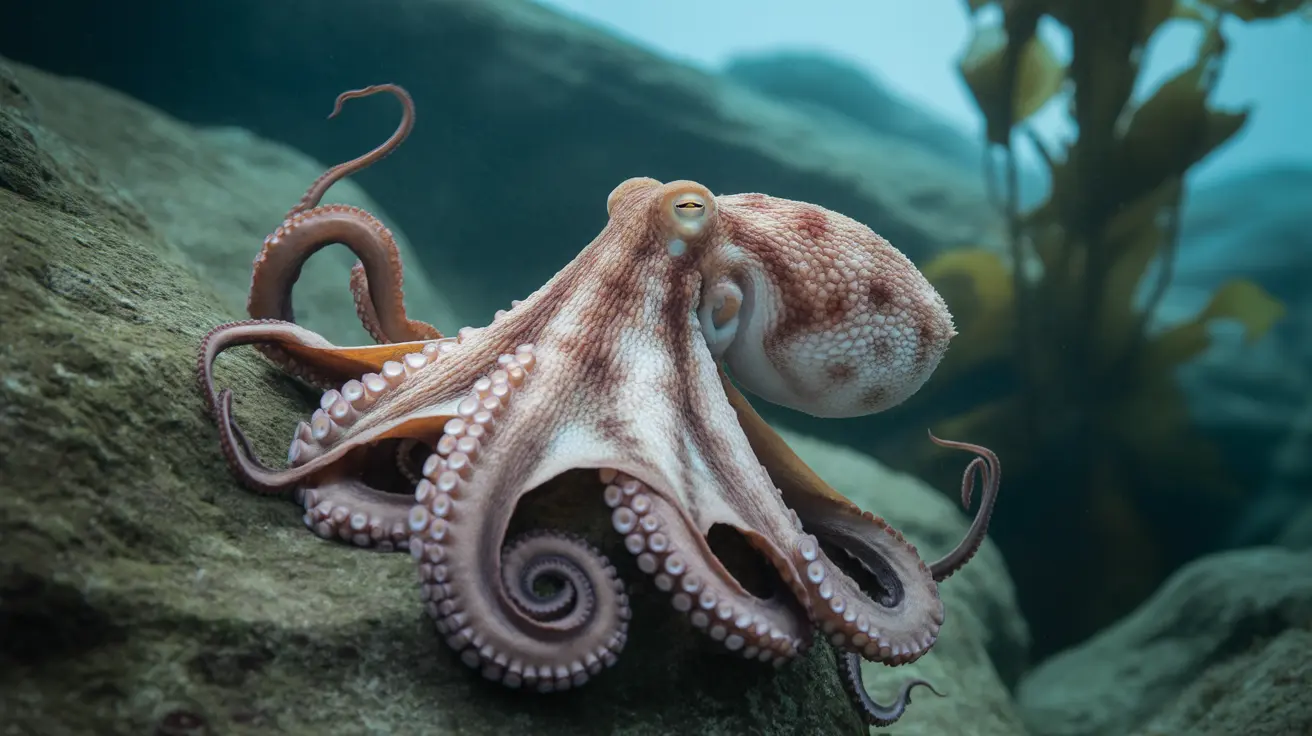
The Legend of Paul the Octopus
Paul the Octopus remains the most famous animal predictor in World Cup history. This common octopus, residing at the Sea Life Centre in Oberhausen, Germany, achieved legendary status during the 2010 World Cup in South Africa. Paul's prediction method was elegantly simple: he would choose between two boxes containing food, each marked with the flag of a competing nation.
What made Paul extraordinary wasn't just his participation – it was his uncanny accuracy. His successful predictions captured global attention and transformed him from a simple sea creature into an international celebrity. The phenomenon surrounding Paul demonstrated how animals could become unexpected stars of major sporting events, bridging the gap between wildlife fascination and sports entertainment.
Famous Predicting Animals Throughout History
While Paul the Octopus garnered the most attention, numerous other animals have tried their hand at World Cup predictions over the years. Achilles the cat became Russia's official predictor for the 2018 World Cup, using his feline instincts to select winners by choosing between bowls of food marked with team flags.
Mani the parrot also gained recognition for his predictions, though with notably less accuracy than his octopus counterpart. Various other animals, from elephants to penguins, have participated in prediction ceremonies at zoos and aquariums worldwide, each bringing their unique approach to sports forecasting.
Animal World Cup Success Rates and Methods
The accuracy of animal World Cup predictions varies dramatically from creature to creature. While some achieve remarkable success rates that seem to defy statistical probability, others perform no better than random chance. The methods used are typically simple: animals choose between food containers, colored objects, or paths marked with team symbols.
These prediction ceremonies have become major attractions for wildlife facilities, drawing crowds eager to witness the next potential animal oracle in action. The events serve dual purposes: entertaining visitors while raising awareness about animal intelligence and behavior patterns.
The Science Behind Animal Predictions
From a scientific perspective, most animal predictions are based on random choice or influenced by subtle environmental factors that humans might not notice. Animals may respond to scent variations, container placement, or feeding patterns rather than displaying any genuine prophetic abilities.
However, the entertainment value and public engagement these predictions generate make them worthwhile endeavors for educational institutions. They provide opportunities to discuss animal behavior, probability, and the difference between correlation and causation in an engaging, accessible way.
2026 World Cup Predictor Animals
As the 2026 World Cup approaches, animal facilities worldwide are likely preparing their own forecasting stars. The tradition shows no signs of slowing down, with each tournament bringing new animal celebrities and memorable prediction moments.
Pet owners often wonder if their own animals might possess similar predictive abilities, though it's important to remember that most animal predictions are essentially random selections dressed up in entertaining presentations.
Frequently Asked Questions
Who was Paul the Octopus and how did he predict the 2010 World Cup?
Paul the Octopus was a common octopus who lived at the Sea Life Centre in Oberhausen, Germany. He predicted World Cup matches by choosing between two food containers marked with team flags, achieving remarkable accuracy during the 2010 tournament that made him an international sensation.
What animals have predicted World Cup matches and what were their success rates?
Various animals have participated in World Cup predictions, including Achilles the cat, Mani the parrot, elephants, and penguins. Success rates vary widely, with some achieving impressive accuracy while others perform no better than random chance.
How accurate are animal World Cup predictions compared to random chance?
Most animal predictions perform at or near random chance levels, though occasional outliers like Paul the Octopus achieve remarkable accuracy. The entertainment value often matters more than statistical significance in these lighthearted prediction ceremonies.
Conclusion
The tradition of animal World Cup predictions has evolved into a charming sidebar to major tournaments, creating memorable moments and beloved characters like Paul the Octopus. While these predictions rarely offer genuine sporting insights, they provide entertainment, education, and opportunities for wildlife facilities to engage the public in discussions about animal behavior.
As we look forward to the 2026 World Cup, animal oracles will undoubtedly continue this quirky tradition, reminding us that sports entertainment comes in many forms – even from our animal companions who capture our hearts with their "predictions."




