
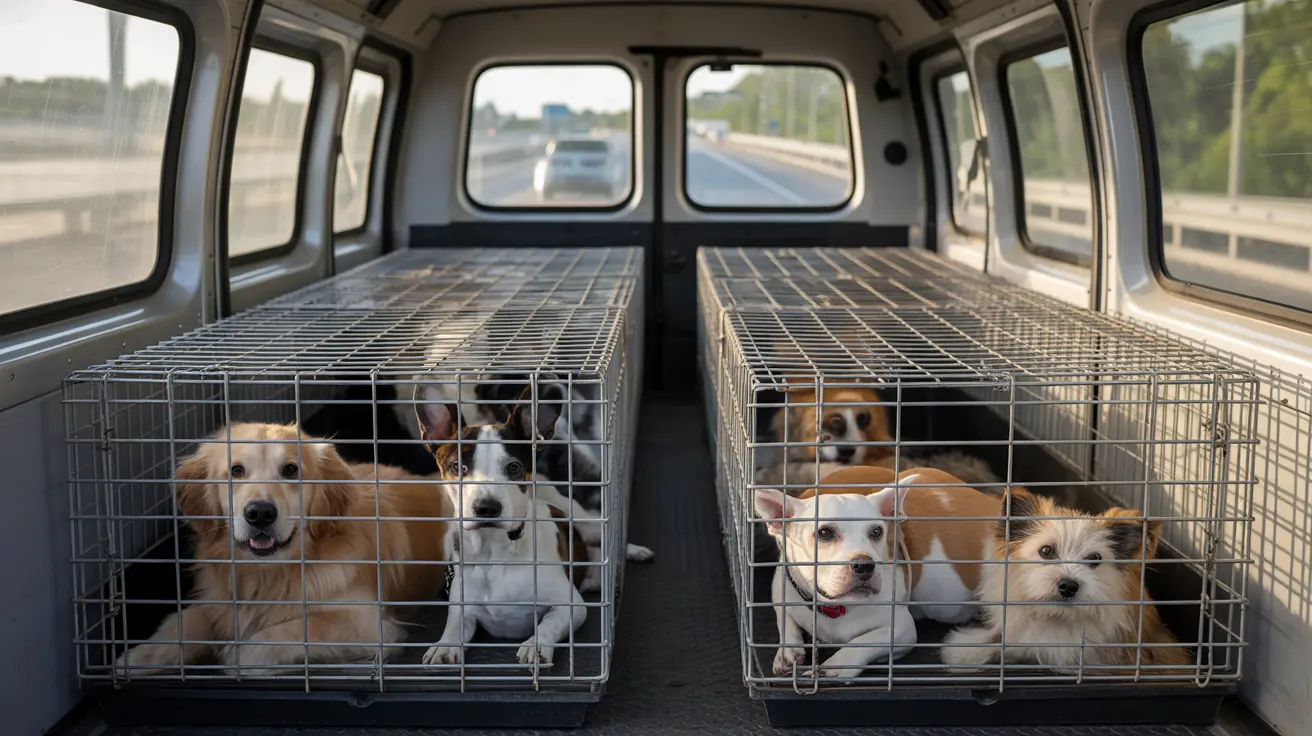
When Carol Edwards arrived at her pet boarding facility on Tuesday morning, she never expected to face every pet resort owner's worst nightmare. Her employees urgently called her to the backyard where a large grass fire was rapidly growing, threatening the safety of more than 20 animals in her care. This real-world emergency highlights the critical importance of pet boarding fire safety and comprehensive evacuation procedures that every pet facility should have in place.
The incident serves as a stark reminder that grass fires and wildfires can develop quickly, giving pet boarding facilities minimal time to execute emergency plans. For pet parents who entrust their beloved companions to boarding facilities, this event underscores the vital need to understand how these businesses prepare for and respond to fire emergencies.
Emergency Planning for Pet Resorts: Lessons from Real-World Events
The grass fire near this pet resort demonstrates how quickly emergency situations can escalate. When faced with fast-moving fires, pet boarding facilities must have detailed evacuation procedures that can be implemented immediately. Staff training becomes crucial, as employees need to know exactly how to safely move multiple animals of different sizes and temperaments under stressful conditions.
Effective kennel fire evacuation procedures should include designated evacuation routes, assigned staff responsibilities, and secure transportation methods for all animals. Pet facilities should maintain updated records of each animal's location, special needs, and emergency contact information to ensure no pet is left behind during an evacuation.
Dog Boarding Emergency Plan Essentials
Every reputable pet boarding facility should maintain a comprehensive emergency plan that addresses various disaster scenarios, including fires, severe weather, and other natural disasters. These plans must be regularly updated and practiced through emergency drills with all staff members.
Key components of an effective pet disaster preparedness plan include multiple evacuation routes, partnerships with other pet facilities that can provide temporary shelter, and adequate emergency supplies. Facilities should also maintain defensible space around their buildings by keeping grass cut short and removing flammable debris that could fuel fires.
Questions to Ask Dog Boarding About Safety
Pet owners should proactively inquire about emergency preparedness before booking boarding services. Important questions include asking about evacuation procedures, staff training protocols, and backup shelter arrangements. Responsible facilities will be transparent about their safety measures and emergency response capabilities.
Additionally, pet parents should ensure their animals are microchipped and that boarding facilities have current emergency contact information. This preparation becomes invaluable during disasters when pets may become separated from their temporary caregivers.
Pet Emergency Kit Checklist for Fire Preparedness
While boarding facilities should maintain emergency supplies, pet owners can also prepare personal emergency kits for their animals. These kits should include essential medications, copies of vaccination records, identification photos, and comfort items like favorite toys or blankets.
A well-prepared pet emergency kit also contains food and water for at least three days, leashes, carriers, and sanitation supplies. Pet owners should store these items in easily accessible locations and review contents regularly to ensure medications haven't expired and that supplies remain adequate for their pets' current needs.
Wildfire Evacuation for Pets: Community Preparedness
The incident at Carol Edwards' facility highlights the broader need for community-wide pet-friendly evacuation planning. Local emergency management agencies should work with pet facilities to develop coordinated response protocols that ensure both boarding facilities and private pet owners have clear guidance during fire emergencies.
Pet-friendly evacuation plans benefit entire communities by reducing the likelihood that pet owners will refuse to evacuate without their animals. These comprehensive approaches save both human and animal lives while supporting local pet care businesses during recovery efforts.
Frequently Asked Questions
How can pet boarding facilities protect dogs and cats from fast-moving grass fires or wildfires?
Pet boarding facilities should maintain defensible space around buildings, develop detailed evacuation procedures, train staff regularly, and establish partnerships with other facilities for emergency animal placement. Regular emergency drills ensure staff can quickly and safely evacuate all animals when fires threaten the facility.
What should I put in a pet emergency kit in case I need to evacuate my animals during a fire?
Essential items include three days' worth of food and water, medications, vaccination records, identification photos, leashes, carriers, comfort items, and sanitation supplies. Store everything in an easily accessible container and update contents regularly to ensure medications remain current and supplies adequate for your pets' needs.
As a pet owner, what questions should I ask a boarding kennel about their emergency and fire preparedness before I book?
Ask about evacuation procedures, staff emergency training, backup shelter arrangements, and how they maintain current emergency contact information. Reputable facilities will gladly discuss their safety protocols and may even offer tours to show you their emergency exits and safety equipment.
Conclusion
The grass fire evacuation at Carol Edwards' pet resort serves as a powerful reminder that emergency preparedness saves lives. Both pet boarding facilities and pet owners must take proactive steps to ensure animal safety during fire emergencies. By understanding evacuation procedures, maintaining emergency supplies, and asking the right questions about safety protocols, we can better protect our beloved companions during unexpected disasters.
Every pet deserves to be safe, whether at home or in professional care. Take time today to review your own pet's emergency preparedness and verify that your chosen boarding facilities prioritize comprehensive fire safety planning.




