
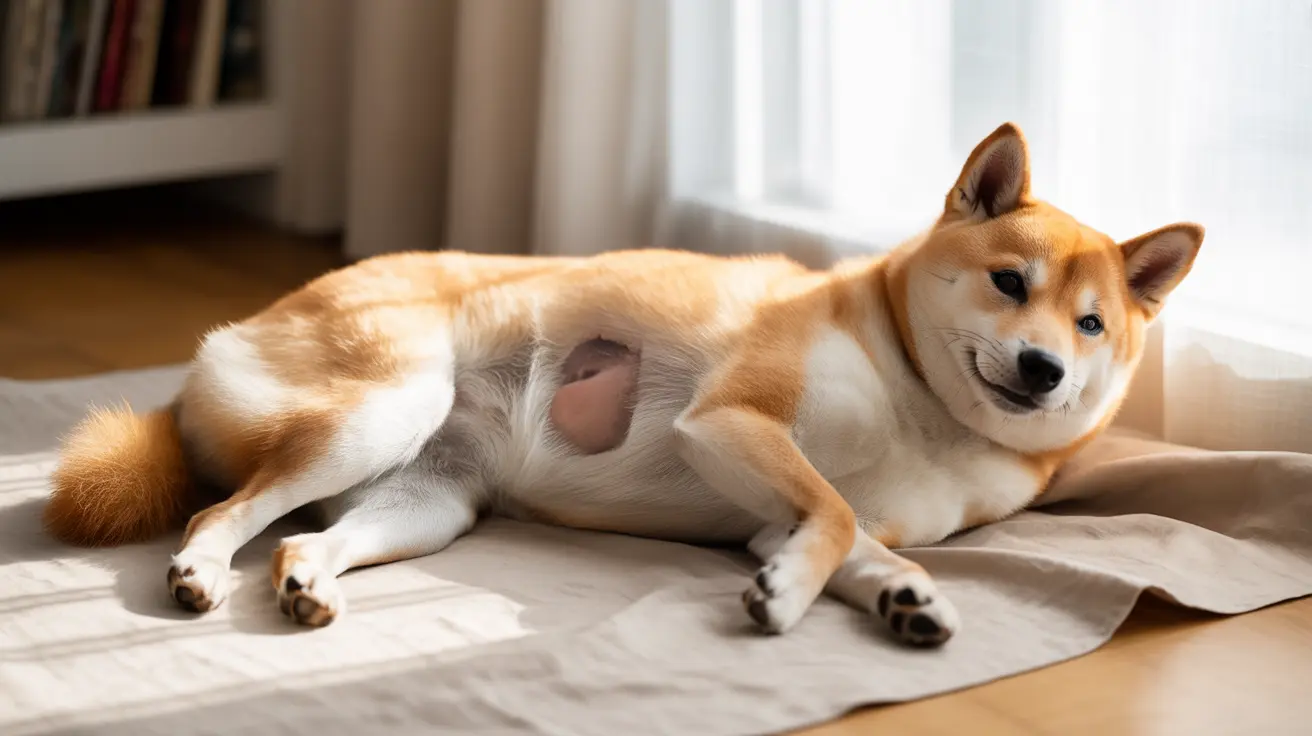
Although every dog reacts differently, most experience a combination of subtle and noticeable differences over the weeks and months following surgery. Some owners report calmer temperaments, while others observe temporary confusion or lethargy. By learning what’s normal and what may require veterinary attention, you can ensure your dog’s post-neutering journey is smooth and healthy. The following sections break down these changes in detail, from hormonal shifts to social behavior and long-term health outcomes.
Hormonal and Physical Adjustments After Surgery
Neutering directly affects a dog’s hormone balance, particularly testosterone, which influences many aspects of male behavior and physiology. Once the testicles are removed, testosterone levels drop significantly within a few days. This reduction can lead to gradual changes in muscle tone, metabolism, and coat condition. Some dogs may gain weight more easily because their metabolism slows slightly, while others might experience a temporary decrease in energy as their body adjusts to the new hormonal baseline. Regular exercise and portion control are key to maintaining a healthy weight during this period.
Physically, the surgical site usually heals within two weeks, but internal hormonal stabilization can take several months. During this time, owners might notice subtle shifts such as a softer coat texture or reduced muscle bulk, especially in highly active breeds. These changes are normal and not harmful. However, it’s important to monitor for signs of infection, such as swelling, redness, or excessive licking of the incision area. Providing a calm environment and following post-operative care instructions from your veterinarian will help your dog recover comfortably and safely.
In the long term, neutered dogs often benefit from a lower risk of certain health issues, including testicular cancer and prostate disease. The absence of testosterone-driven stress on these organs contributes to a longer, healthier life. This section sets the stage for understanding how these physical changes influence behavior, which is often the most noticeable difference owners observe after neutering.
Behavioral Shifts and Emotional Responses
Behavioral changes after neutering can vary widely, but many are linked to the reduction in testosterone. Dogs that were previously territorial or prone to roaming often become more content staying close to home. Aggression toward other males may decrease, and marking behaviors—such as urinating on furniture or outdoor objects—tend to lessen over time. However, these improvements are not instantaneous; it can take several weeks or months for hormonal influences on behavior to subside completely. Patience and consistent training are essential during this transition.
Some dogs may temporarily appear subdued or confused after surgery. This is usually a short-term reaction to both the anesthesia and the hormonal changes taking place. Offering reassurance, gentle interaction, and maintaining familiar routines can help your dog regain confidence. It’s also important to note that neutering does not automatically eliminate all unwanted behaviors. Learned habits, such as jumping or chewing, are not hormone-driven and require continued training and positive reinforcement to correct.
Interestingly, many owners report that neutered dogs become more affectionate and easier to manage. Without the distraction of mating instincts, dogs often focus more on their human companions. This can strengthen the bond between pet and owner, making daily interactions more enjoyable. As we move into the next section, we’ll explore how these behavioral changes influence socialization and training outcomes in the long run.
Socialization, Training, and Lifestyle Adaptations
After neutering, dogs often become more receptive to training and socialization. The reduction in testosterone-driven impulses can make them less reactive to other animals and more attentive to commands. This creates an ideal opportunity to reinforce obedience training or introduce new skills. Group classes or controlled playdates can help your dog practice calm interactions with others, reinforcing positive social behavior. Consistency and reward-based methods remain the most effective approach for shaping desirable habits.
Owners should also adjust their dog’s lifestyle to accommodate post-surgery changes in energy and metabolism. Because neutered dogs may burn fewer calories, maintaining a balanced diet becomes increasingly important. Regular walks, interactive toys, and mental stimulation help prevent boredom and weight gain. Monitoring your dog’s body condition score—a visual and tactile assessment of fat coverage—can guide portion adjustments and exercise routines. A veterinarian can provide personalized recommendations based on breed, age, and activity level.
- Maintain a consistent feeding schedule and avoid excessive treats.
- Incorporate daily exercise suited to your dog’s energy level.
- Continue obedience training to reinforce calm, controlled behavior.
- Schedule regular veterinary checkups to monitor weight and hormone-related health.
- Provide enrichment activities to keep your dog mentally engaged.
These lifestyle adaptations not only support physical health but also enhance emotional stability. When dogs feel secure and stimulated, they are less likely to develop anxiety or destructive behaviors. The next section will explore the broader health implications of neutering and how it contributes to long-term well-being.
Health Benefits and Considerations for the Future
Beyond behavioral and social improvements, neutering offers significant health advantages. The procedure eliminates the risk of testicular cancer and greatly reduces the likelihood of prostate enlargement, infections, and certain hormone-related tumors. It can also decrease the risk of perianal fistulas, a painful condition more common in intact males. These benefits collectively contribute to a longer, more comfortable life for your dog. However, owners should remain aware of potential side effects, such as a predisposition to weight gain or changes in coat texture, and manage them proactively through diet and exercise.
Neutering also plays a crucial role in controlling the pet population, reducing the number of unwanted litters and stray animals. This has a positive community impact, lowering shelter overcrowding and improving overall animal welfare. Responsible pet ownership extends beyond the surgery itself—it includes ongoing care, attention, and understanding of your dog’s evolving needs. Regular veterinary visits ensure that any post-neutering health concerns are detected early and managed effectively.
While the benefits are substantial, neutering is not a one-size-fits-all solution. Factors such as breed, age, and individual temperament should be discussed with a veterinarian before scheduling the procedure. Some large breeds may benefit from waiting until full physical maturity to avoid orthopedic complications. By making informed decisions and providing attentive care, owners can maximize the positive outcomes of neutering for both their pets and the broader animal community.
Supporting Your Dog’s Post-Neutering Journey
Neutering marks a significant milestone in a dog’s life, influencing everything from hormones to behavior and long-term health. While the immediate recovery period requires patience and attentive care, the lasting benefits—such as reduced aggression, improved focus, and lower disease risk—make the procedure a valuable choice for most pet owners. Understanding the physical and emotional transitions your dog experiences allows you to respond with empathy and consistency, ensuring a smooth adjustment period.
Ultimately, neutering is not just a medical decision but a commitment to your dog’s lifelong well-being. By combining proper nutrition, regular exercise, and ongoing training, you can help your dog thrive in the years following surgery. With informed care and compassion, the post-neutering phase becomes an opportunity to strengthen your bond and enhance your pet’s quality of life.
FAQ
How long does it take for a dog to recover after neutering?
Most dogs recover physically within 10 to 14 days, though internal healing and hormonal stabilization can take several weeks. During this time, it’s important to limit strenuous activity, prevent licking of the incision site, and follow your veterinarian’s post-operative instructions. Some dogs may seem tired or less playful for a few days, which is normal. If swelling, discharge, or persistent lethargy occurs, contact your vet immediately. Full behavioral adjustments related to hormone changes may take up to three months.
Will neutering change my dog’s personality?
Neutering doesn’t alter a dog’s core personality, but it can influence hormone-driven behaviors. Many owners notice reduced aggression, roaming, and marking tendencies. Dogs often become calmer and more focused on their human companions. However, learned behaviors such as chewing or barking are not affected by hormones and require consistent training. The key is to view neutering as one part of a broader behavioral management plan rather than a cure-all for unwanted habits.
Does neutering make dogs gain weight?
Neutered dogs can gain weight more easily because their metabolism slows slightly after testosterone levels drop. This doesn’t mean weight gain is inevitable—it simply requires mindful management. Adjusting portion sizes, choosing high-quality food, and maintaining daily exercise will help keep your dog fit. Regular weigh-ins and body condition assessments can prevent obesity-related health issues. If you notice rapid weight gain, consult your veterinarian for dietary recommendations tailored to your dog’s breed and activity level.
When is the best age to neuter a dog?
The ideal age for neutering depends on the dog’s breed, size, and health. Small to medium breeds are often neutered between six and nine months, while large or giant breeds may benefit from waiting until 12 to 18 months to ensure proper bone development. Early neutering can prevent unwanted litters and reduce certain behavioral issues, but timing should always be discussed with a veterinarian who can assess your dog’s individual needs and growth pattern.
Will neutering stop my dog from marking territory?
Neutering significantly reduces urine marking in many male dogs, especially if the behavior is hormone-driven. However, if marking has become a learned habit, it may persist even after surgery. Consistent training, cleaning marked areas thoroughly, and providing positive reinforcement for appropriate behavior can help eliminate the problem. Over time, as testosterone levels decline, most dogs show a noticeable decrease in marking frequency and intensity.
Can neutering reduce aggression in dogs?
In many cases, yes. Neutering can lower testosterone-related aggression, particularly toward other males or during mating competition. However, not all aggression is hormone-based. Fear, anxiety, or poor socialization can also trigger aggressive responses. Combining neutering with behavioral training and social exposure yields the best results. Consulting a professional trainer or behaviorist can help identify the root cause of aggression and develop a tailored management plan.
Are there any risks associated with neutering?
Neutering is a routine and generally safe procedure, but like any surgery, it carries minor risks such as infection, bleeding, or adverse reactions to anesthesia. Long-term, some dogs may experience changes in coat texture or a tendency toward weight gain. These effects are manageable with proper care. Choosing an experienced veterinarian, following post-surgery instructions, and scheduling follow-up visits minimize potential complications and ensure a smooth recovery.
How does neutering affect a dog’s lifespan?
Studies suggest that neutered dogs often live longer than their intact counterparts. The reduction in reproductive organ diseases, prostate issues, and certain cancers contributes to improved longevity. Additionally, neutered dogs are less likely to roam in search of mates, reducing the risk of accidents or injuries. While genetics and lifestyle also play major roles in lifespan, neutering is widely recognized as a positive factor in promoting long-term health and safety.
Will my dog still need training after neutering?
Absolutely. Neutering can make training easier by reducing distractions and impulsive behaviors, but it doesn’t replace the need for consistent guidance. Dogs still require structure, boundaries, and reinforcement to learn appropriate behavior. Continuing obedience training after neutering helps solidify good habits and strengthens the bond between you and your pet. The calmer temperament that often follows surgery can make this process more enjoyable and effective.
Can neutering help with separation anxiety?
Neutering may indirectly help with separation anxiety by reducing overall stress and restlessness, but it is not a guaranteed solution. Separation anxiety is typically rooted in emotional dependence and environmental factors rather than hormones. Addressing it requires behavioral training, gradual desensitization, and sometimes professional support. Neutering can complement these efforts by promoting a more balanced temperament, making your dog more receptive to anxiety-reducing strategies.




