
A devastating house fire in Myrtle Creek, Oregon, claimed the lives of two people and several animals late Monday night, serving as a heartbreaking reminder of how quickly residential fires can turn deadly for both humans and beloved pets. This tragic incident underscores the urgent need for pet owners to develop comprehensive fire escape plans that include their furry family members.
While details about the specific circumstances surrounding the fire remain limited, the loss of multiple animals in this residential fire reflects a troubling pattern seen across the country. According to fire safety experts, pets often become victims in home fires not because they lack the ability to escape, but because they may hide in fear or become separated from their families during the chaos of an emergency evacuation.
Why Pets Often Die in Residential Fires
Animals died in fire situations frequently occur due to several factors that pet owners may not consider when planning for emergencies. Pets naturally seek hiding places when frightened, often retreating to closets, under beds, or in basements where smoke and heat can quickly become lethal. Unlike humans, pets cannot open doors or windows to create escape routes, making them entirely dependent on their owners for survival.
Smoke inhalation poses an even greater threat to animals than to humans due to their smaller lung capacity and closer proximity to the ground where toxic gases tend to accumulate. This physiological vulnerability means that even brief exposure to smoke can prove fatal for pets, regardless of their size or breed.
Creating an Effective Fire Escape Plan for Pets
Protecting pets from fire starts with developing a comprehensive evacuation strategy that accounts for every animal in the household. Pet owners should identify at least two escape routes from each room where pets spend time, ensuring these paths remain clear of obstacles that could impede a quick exit.
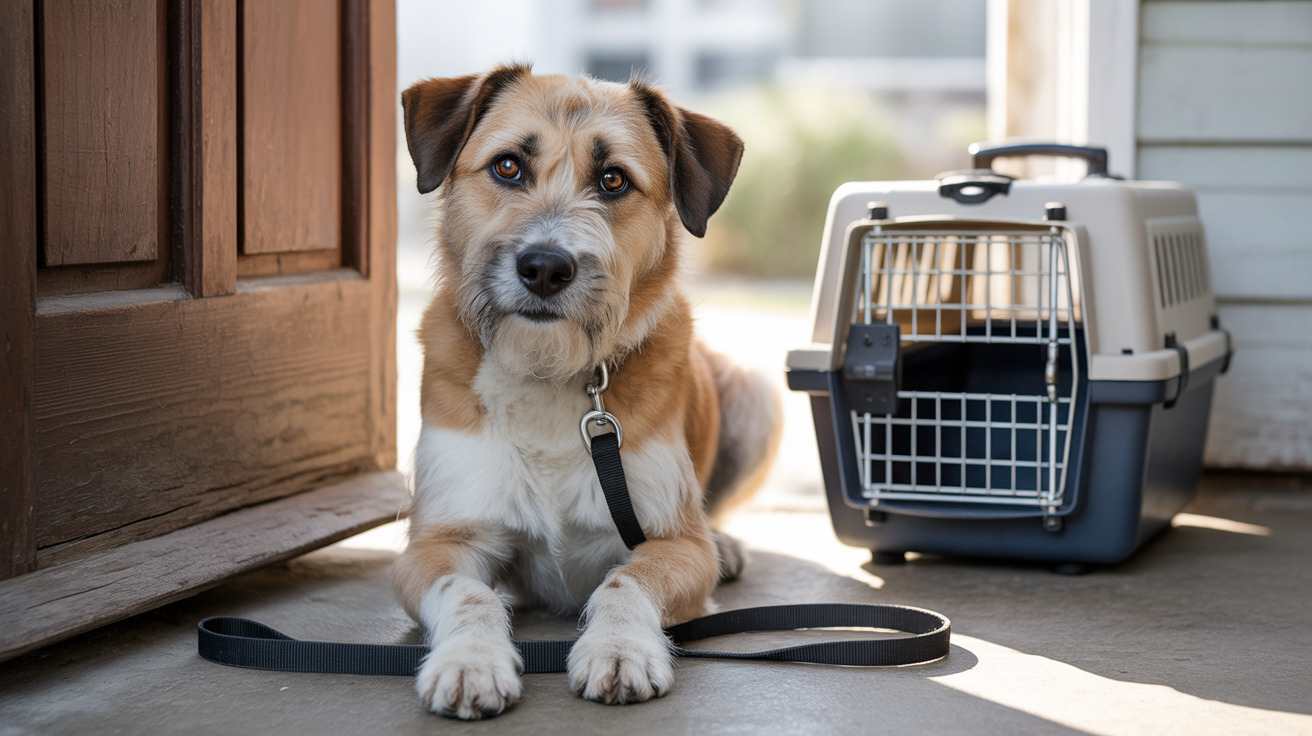
Designating specific family members to retrieve certain pets during an emergency prevents confusion and ensures no animal is forgotten in the rush to evacuate. Keep pet evacuation carriers easily accessible near main exits, and consider practicing evacuation drills that include gathering your animals to reduce stress and improve response times during actual emergencies.
Home Fire Safety Measures That Protect Pets
Working smoke alarms save pets by providing early warning that gives families precious extra minutes to locate and evacuate their animals. Install smoke detectors on every level of your home, including basements and near sleeping areas, and test batteries monthly to ensure proper function.
Pet fire prevention tips extend beyond smoke alarms to include securing potential fire hazards that curious animals might trigger. Keep matches, lighters, and candles out of reach, and never leave pets unattended around space heaters, fireplaces, or cooking appliances that could ignite nearby materials if knocked over.
Emergency Preparedness for Rural Pet Owners
Rural home fire safety for pets presents unique challenges, as the Myrtle Creek incident demonstrates. Properties in rural areas often face longer emergency response times, making self-reliance even more critical for pet survival. Rural pet owners should maintain updated contact information for local veterinary emergency services and identify nearby friends or family who could temporarily house pets after an evacuation.
Microchipping pets provides an additional layer of protection, ensuring that animals separated from their families during fire emergencies can be reunited even if they lose their collars or tags in the chaos of evacuation.
Taking Action to Prevent Pet Tragedies
The Oregon house fire that claimed multiple animal lives serves as a sobering reminder that fire safety planning must include every member of the family, including pets. Simple preparedness measures like maintaining working smoke alarms, practicing evacuation procedures, and keeping carriers accessible can mean the difference between life and death for beloved animals.
Pet owners cannot afford to wait for tragedy to strike before addressing fire safety. By implementing comprehensive emergency preparedness strategies today, families can help ensure that incidents like the heartbreaking Myrtle Creek fire do not claim the lives of irreplaceable animal companions in their own communities.
Frequently Asked Questions
- How can I protect my pets during a house fire? Create and practice a fire escape plan that assigns specific family members to retrieve designated pets. Keep carriers near exits, ensure smoke alarms are working, and eliminate fire hazards that pets might accidentally trigger.
- What should pet owners do to create a fire escape plan that includes animals? Identify two escape routes from each room, designate who will collect each pet, keep carriers easily accessible, practice evacuation drills, and maintain updated emergency contact information for veterinary services.
- Why do pets often die in residential fires like the Myrtle Creek incident? Pets typically hide when frightened, making them difficult to locate during emergencies. They cannot open doors or windows to escape independently and are more vulnerable to smoke inhalation due to their size and proximity to the ground where toxic gases concentrate.
- Are working smoke alarms enough to save pets from home fires? While smoke alarms provide crucial early warning, they must be combined with a comprehensive evacuation plan, accessible carriers, practiced emergency procedures, and elimination of fire hazards to effectively protect pets from residential fires.
- What fire safety tips help rural pet owners prevent tragedies? Maintain multiple escape routes, keep emergency contact information current, identify temporary housing options for pets, ensure reliable communication methods, practice evacuation procedures regularly, and consider microchipping for identification if pets become separated during emergencies.




