Understanding South Carolina Rabies Cases and Wildlife Risks
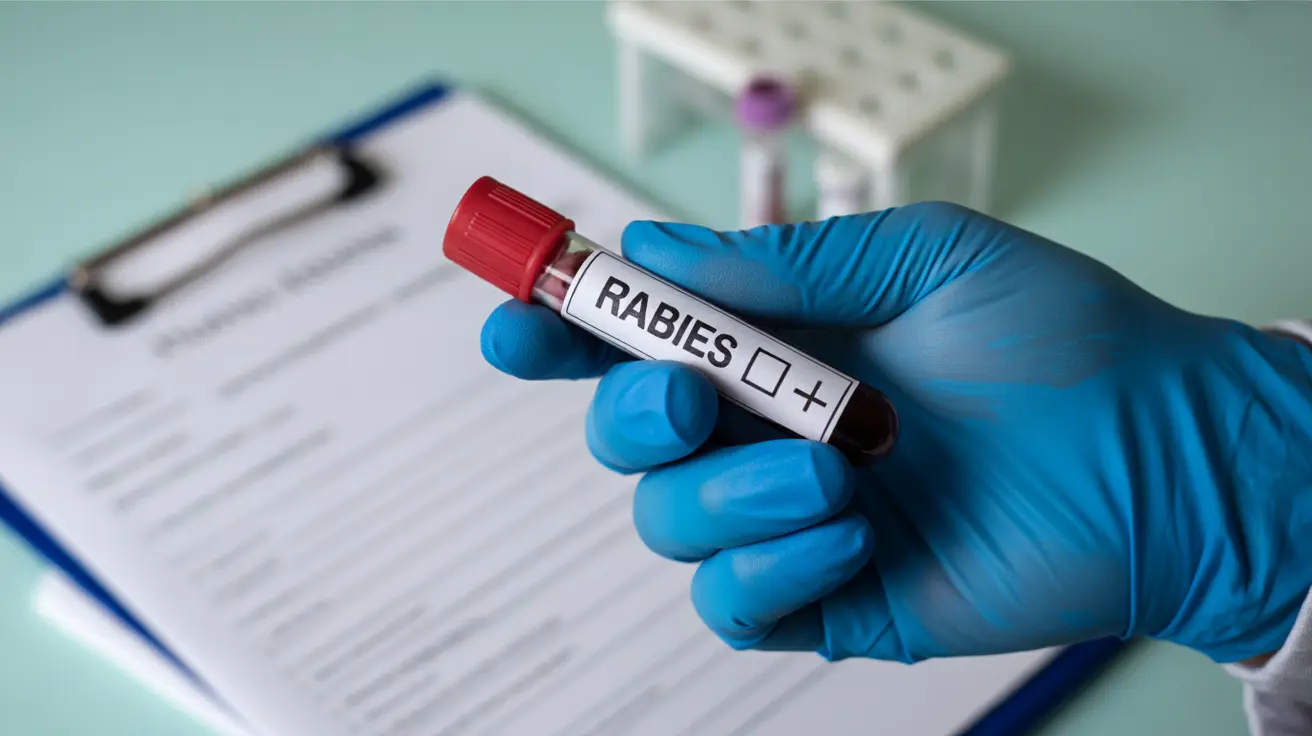
The South Carolina DPH's confirmation of rabies in both a bat and raccoon highlights how this deadly virus can affect multiple wildlife species in the same area. Rabies is a viral infection that affects the central nervous system of mammals, and it's almost always fatal once symptoms appear in unvaccinated animals or humans.
Bats and raccoons are among the most common rabies carriers in South Carolina, making them particularly concerning for pet owners who may encounter these animals around their homes. Unlike domestic animals, wildlife doesn't receive regular rabies vaccinations, making them natural reservoirs for the virus.
Recognizing Rabid Animal Signs in Your Neighborhood
Pet owners should be aware that rabid animals often display unusual behavior patterns that differ from their normal habits. While we cannot specify the exact behaviors observed in the Greenville County cases, general signs of rabies in wildlife include:
- Nocturnal animals appearing during daylight hours
- Aggressive behavior toward humans or pets
- Difficulty swallowing
- Excessive drooling
- Loss of coordination
Raccoons with rabies may appear confused or lethargic, while bats might be found on the ground during daytime or flying erratically.
Bat Rabies Exposure Prevention for Pet Families
Protecting your home from potential bat encounters requires proactive measures. Seal entry points around your home, including gaps in roofing, siding, or around chimneys. Install screens on windows and vents, and never attempt to handle a bat with bare hands, even if it appears dead.
If you find a bat in your home, contain it safely using a box or container while wearing gloves, and contact local animal control immediately. Keep pets indoors during evening hours when bats are most active, and ensure your yard lighting doesn't attract insects that might draw bats closer to your home.
Pet Rabies Vaccination: Your First Line of Defense
The most effective protection against rabies for dogs and cats is maintaining current vaccination schedules. Most states, including South Carolina, require rabies vaccination for dogs and cats, with initial vaccines typically given around 12-16 weeks of age, followed by regular boosters.
Even indoor pets should receive rabies vaccines, as bats can enter homes unexpectedly. If your pet's rabies vaccination has lapsed, contact your veterinarian immediately to discuss catch-up schedules and ensure proper protection.
Understanding Post-Exposure Prophylaxis (PEP) Treatment
When humans are exposed to potentially rabid animals, post-exposure prophylaxis becomes critical for preventing infection. PEP involves a series of rabies vaccines given over several weeks, and it's highly effective when administered promptly after exposure.
Pet owners should also understand that if an unvaccinated pet is exposed to a confirmed rabid animal, the options are limited and often involve lengthy quarantine periods or euthanasia, depending on local regulations and the circumstances of exposure.
Wildlife Rabies Prevention Around Your Property
Reducing wildlife activity around your home helps minimize rabies transmission risks. Secure garbage cans with tight-fitting lids, remove pet food from outdoor areas, and eliminate water sources that attract wildlife. Maintain your yard by trimming vegetation that provides hiding spots for raccoons and other potential rabies carriers.
Never feed wildlife, as this creates dependency and increases the likelihood of human-animal encounters. If you notice unusual wildlife behavior in your neighborhood, report it to local animal control authorities rather than attempting to handle the situation yourself.
Frequently Asked Questions
What should I do if my pet is exposed to a bat or raccoon in Greenville County, South Carolina?
Contact your veterinarian immediately and report the exposure to Greenville County Animal Control. If your pet is current on rabies vaccination, they'll likely need a booster shot and observation period. Document the incident details and follow your vet's specific guidance for monitoring and care.
How do I know if a raccoon or bat has rabies, and what are the signs in wildlife?
Rabid animals often display abnormal behavior such as appearing during unusual hours, showing aggression, difficulty moving, excessive drooling, or appearing disoriented. However, some rabid animals may appear normal, so never approach or handle any wild animal regardless of its behavior.
What is post-exposure prophylaxis (PEP) for rabies, and how soon after a bite should I get it?
PEP is a series of rabies vaccines given to prevent infection after potential exposure. It should be started as soon as possible after exposure, ideally within 24-48 hours. The treatment is highly effective when given promptly but becomes less reliable as time passes.
Are my dogs and cats protected from rabies if they've had their vaccines?
Current rabies vaccination provides excellent protection, but even vaccinated pets typically receive booster shots after potential rabies exposure as an added precaution. Maintain regular vaccination schedules and keep documentation handy in case of emergencies.
How can I prevent rabies exposure from bats and raccoons around my home?
Secure your property by sealing entry points, removing food sources, maintaining clean outdoor spaces, and keeping pets supervised or indoors during peak wildlife activity hours. Professional wildlife exclusion services can help identify and address potential access points around your home.
Protecting Your Family's Future
The rabies cases in Greenville County serve as an important reminder that wildlife diseases remain a genuine concern for pet families. By maintaining current vaccinations, staying alert to unusual animal behavior, and taking preventive measures around your home, you can significantly reduce risks for both your pets and family members.
Stay informed about local health alerts and maintain open communication with your veterinarian about rabies prevention strategies. Your proactive approach to pet health and wildlife awareness helps protect not only your own family but contributes to overall community safety as well.