
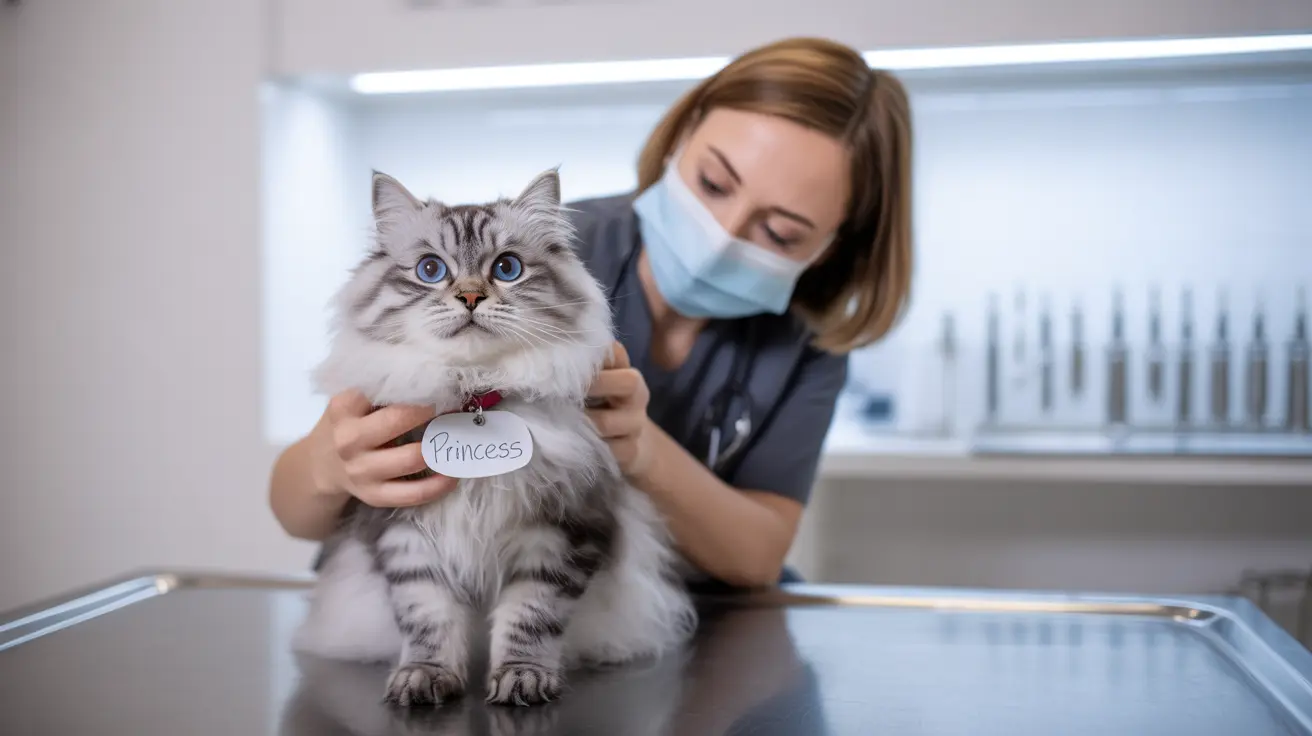
Neutering, or castration, is a routine surgical procedure that removes a male cat’s testicles to prevent reproduction and reduce certain behaviors. After surgery, the body undergoes several changes as it heals. The red tissue you see could be part of the penis, mild swelling, or a sign of post-surgical inflammation. Knowing how to distinguish between normal healing and a potential problem is key to ensuring your cat’s smooth recovery and long-term well-being.
What the “Red Thing” Actually Is
The red or pink structure visible after neutering is typically the cat’s penis, which may become more noticeable due to the absence of the testicles and temporary swelling in the surrounding area. In intact males, the penis is usually retracted and hidden within the prepuce (the protective sheath of skin). After surgery, mild irritation or swelling can cause it to protrude slightly, giving the appearance of a red bump or small tube. This is generally not painful and often resolves as the tissues heal.
In some cases, the redness may also result from minor inflammation or friction caused by licking. Cats instinctively groom surgical sites, and excessive licking can irritate delicate tissues. If the redness is accompanied by discharge, a foul odor, or persistent swelling, it could indicate infection or a condition called paraphimosis, where the penis cannot retract properly. This situation requires prompt veterinary care to prevent tissue damage and discomfort.
It’s important to remember that each cat’s healing process is unique. Some cats show minimal redness, while others may have more visible changes for several days. Observing your cat’s behavior—such as appetite, activity level, and grooming habits—provides valuable clues about whether the healing process is progressing normally or if intervention is needed.
Normal Healing vs. Signs of Complications
After neutering, mild redness, swelling, or a small amount of clear discharge is generally normal for a few days. The incision site should gradually close, and the surrounding skin should return to its usual color within a week or two. During this period, your cat may be slightly less active or more cautious when moving. These are typical signs of recovery and usually resolve without issue.
However, certain symptoms suggest complications that require veterinary attention. If the red area becomes increasingly swollen, emits pus, or your cat constantly licks or bites at the site, infection or irritation may be developing. A protruding penis that remains exposed for more than a few hours, or appears dry and darkened, could indicate paraphimosis. This condition restricts blood flow and can quickly become serious. Additionally, if your cat shows signs of pain, fever, or loss of appetite, these may point to systemic infection or inflammation.
- Persistent or worsening redness beyond one week
- Swelling accompanied by heat or discharge
- Excessive licking or biting at the surgical site
- Penis remaining exposed or appearing discolored
- Changes in appetite, energy, or urination habits
Monitoring these signs closely helps you act quickly if something seems off. When in doubt, it’s always safer to consult your veterinarian rather than assume the issue will resolve on its own.
How to Care for Your Cat After Neutering
Proper post-surgical care is essential for preventing complications and ensuring a smooth recovery. Your veterinarian will provide specific instructions, but there are general guidelines that apply to most cats. First, limit your cat’s activity for at least a week. Jumping, running, or rough play can strain the incision and delay healing. Keep your cat indoors in a calm, clean environment to reduce exposure to dirt and bacteria.
Preventing licking is one of the most important aspects of care. Use an Elizabethan collar (cone) or a soft recovery collar to stop your cat from grooming the area. Licking can reopen the incision or introduce infection. Check the surgical site daily for changes in color, swelling, or discharge. If you notice anything unusual, take a clear photo and contact your vet for advice. Most cats do not need antibiotics after routine neutering, but your vet may prescribe pain relief medication to keep your pet comfortable.
Feeding your cat a balanced diet and ensuring access to fresh water also supports healing. Some cats may have a reduced appetite for a day or two after surgery, but this should quickly return to normal. If your cat refuses food for more than 48 hours or seems lethargic, it’s time to call the clinic. With attentive care, most cats recover fully within 10–14 days and can resume normal activities soon after.
Preventing Future Issues and Promoting Long-Term Health
Once your cat has healed, maintaining good hygiene and regular veterinary checkups will help prevent future problems. Even though neutered cats no longer have testicles, they can still experience urinary or genital issues if the area becomes irritated or infected. Keeping the litter box clean and using unscented litter reduces the risk of bacterial buildup. Regular grooming and observation also help you notice any unusual changes early.
Behavioral changes after neutering are common and usually positive. Many cats become calmer, less territorial, and less prone to spraying. However, if your cat continues to lick excessively or seems fixated on the genital area long after healing, it may indicate discomfort or anxiety. In such cases, your veterinarian can recommend behavioral strategies or check for underlying medical causes.
- Schedule annual wellness exams to monitor overall health
- Maintain a clean environment to prevent irritation
- Provide enrichment and play to reduce stress-related grooming
- Watch for recurring redness or swelling and report it promptly
By combining attentive care with preventive habits, you can ensure your cat remains healthy, comfortable, and free from post-neutering complications. The goal is not only to heal the surgical site but also to support your cat’s long-term physical and emotional well-being.
When to Seek Help and What to Expect
Seeing a red protrusion on your neutered cat can be unsettling, but in most cases, it’s a normal part of healing. The key is to observe carefully, maintain cleanliness, and prevent excessive licking. If the redness persists, worsens, or is accompanied by other symptoms like swelling, discharge, or behavioral changes, contact your veterinarian promptly. Early intervention can prevent minor irritation from becoming a serious issue.
Neutering is one of the most beneficial procedures for a cat’s health and behavior, and with proper aftercare, complications are rare. Understanding what’s normal helps you stay calm and confident while supporting your cat’s recovery. With patience, attention, and love, your feline companion will soon be back to their playful, affectionate self.
FAQ
Why does my neutered cat have a red thing sticking out?
This red structure is usually the penis, which can become more visible after neutering due to temporary swelling or irritation. The absence of testicles changes the surrounding anatomy slightly, making the area appear different. Mild redness is normal, but if the tissue looks swollen, dry, or discolored, it could indicate inflammation or paraphimosis. Monitoring your cat’s behavior and the appearance of the area over several days helps determine whether it’s healing normally or needs veterinary attention.
How long does redness last after neutering?
Most cats experience mild redness or swelling for three to seven days following surgery. The incision should gradually close, and the skin should return to its normal color within two weeks. If redness persists beyond this period or worsens, it may signal infection or irritation. Keeping the area clean, preventing licking, and following your vet’s post-operative instructions will help the redness fade more quickly and reduce the risk of complications.
Is it normal for my cat to lick the surgical area?
While it’s natural for cats to groom themselves, licking the surgical site can cause problems. Excessive licking may reopen the incision, introduce bacteria, or irritate healing tissues. Using an Elizabethan collar or soft recovery cone prevents this behavior. If your cat seems unusually obsessed with the area, it might be due to discomfort or itching as the wound heals. In such cases, consult your vet to ensure there’s no infection or allergic reaction to sutures or medications.
What should I do if the red thing doesn’t go away?
If the protrusion remains visible for more than a few days or appears dry, swollen, or discolored, schedule a veterinary appointment. Persistent exposure of the penis can lead to paraphimosis, a condition where the tissue cannot retract properly. This restricts blood flow and can cause pain or necrosis if untreated. Your vet may gently reposition the tissue, prescribe anti-inflammatory medication, or recommend further treatment depending on the cause.
Can infection develop after neutering?
Although rare, infections can occur if bacteria enter the incision site. Signs include pus, foul odor, heat, or swelling around the wound. Your cat may also become lethargic or lose appetite. Prompt veterinary care is essential, as untreated infections can spread and delay healing. Most infections respond well to antibiotics and proper wound management, especially when identified early. Keeping the area clean and preventing licking are the best preventive measures.
Should I clean the surgical area myself?
Generally, you should not apply any ointments or clean the incision unless your veterinarian specifically instructs you to do so. The surgical site is designed to heal naturally, and unnecessary handling can introduce bacteria or disrupt sutures. If debris or discharge appears, contact your vet for guidance. They may recommend a gentle saline rinse or antiseptic solution, but only under professional supervision. Always wash your hands before and after inspecting the area.
When can my cat resume normal activities?
Most cats can return to normal play and movement about 10–14 days after surgery, once the incision has fully healed. During the first week, restrict jumping, running, and rough play to prevent strain on the surgical site. Gradually reintroduce activity as your cat’s energy returns and the wound looks stable. If you notice renewed redness or swelling after resuming activity, reduce movement and consult your vet for advice.
What if my cat’s behavior changes after neutering?
Behavioral changes are common after neutering. Many cats become calmer, less territorial, and less likely to spray or fight. However, some may seem withdrawn or anxious during recovery due to discomfort or the effects of anesthesia. These changes usually resolve within a few days. If your cat remains unusually lethargic, aggressive, or obsessive about grooming the genital area, it’s worth discussing with your veterinarian to rule out pain or hormonal imbalances.
Can female cats show similar redness after spaying?
Female cats may also experience mild redness or swelling around the incision after spaying, but it appears on the abdomen rather than the genital area. The same principles apply: monitor for signs of infection, prevent licking, and keep the area clean. Redness that worsens or persists beyond a week should be evaluated by a vet. Both male and female cats benefit from careful post-surgical monitoring to ensure full recovery.
When should I call the vet about post-neutering issues?
Contact your veterinarian immediately if you notice persistent redness, swelling, discharge, or if your cat seems to be in pain. Other warning signs include loss of appetite, fever, or lethargy. Early communication with your vet can prevent small issues from escalating into serious complications. Even if you’re unsure whether something is normal, it’s always better to ask. Your vet’s guidance ensures your cat heals safely and comfortably after surgery.




