
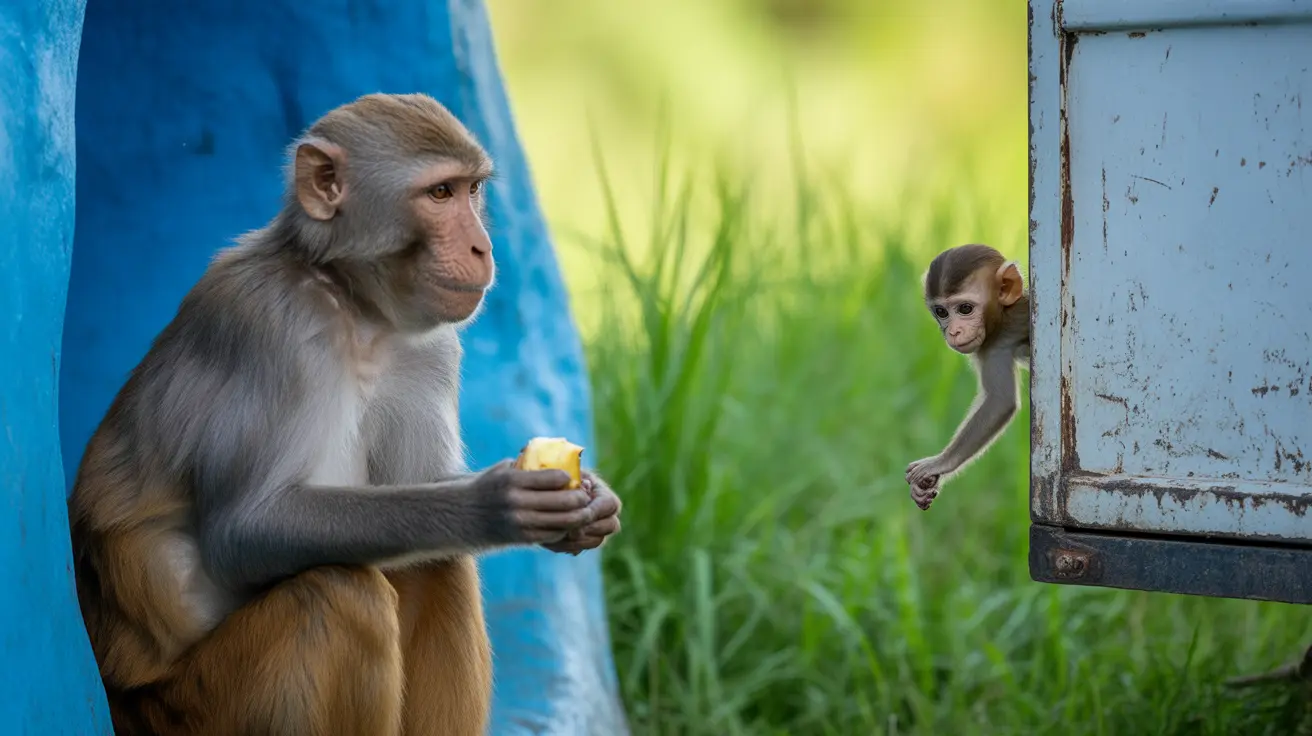
A remarkable story of survival and second chances has unfolded as Forrest, a rhesus macaque rescue, has found his permanent home at Popcorn Park Animal Refuge in New Jersey. This extraordinary journey began when the biomedical research monkeys were involved in a devastating truck crash on a Mississippi interstate, forever changing the trajectory of these primates' lives.
The incident involved 21 monkeys being transported for biomedical research when their truck overturned, creating an unexpected opportunity for freedom that would ultimately lead to sanctuary care. For pet owners and animal advocates, Forrest's story highlights the complex world of research animal welfare and the critical role that sanctuaries play in providing lifelong care for animals who cannot return to their original environments.
The Mississippi Truck Crash and Its Aftermath
When the transport truck carrying Forrest and his companions overturned on the interstate, it created a chaotic scene that would change these animals' destinies. The escaped lab monkey spent approximately one week surviving in the wild before being safely recovered by authorities. During this time in the Mississippi wilderness, Forrest experienced a taste of freedom that research animals rarely encounter.
The extended time spent outside controlled research environments effectively disqualified Forrest and potentially other survivors from returning to their original biomedical research programs. This situation, while initially appearing problematic, opened the door to a more humane long-term solution through sanctuary placement.
Animal Transport Safety and Research Protocols
The incident raises important questions about animal transport safety standards and protocols for biomedical research facilities. When primates in biomedical research escape their controlled environments, strict health and safety protocols typically prevent their return to research programs due to concerns about potential infections, behavioral changes, and contamination risks.
These protocols, while designed for research integrity, often create opportunities for sanctuaries to provide permanent homes for animals who might otherwise face uncertain futures. The situation demonstrates how unexpected events can sometimes lead to better outcomes for research animals.
Popcorn Park Animal Refuge: A Lifelong Animal Sanctuary
Popcorn Park Animal Refuge has become Forrest's permanent home, joining over 200 other animals in this New Jersey sanctuary. The facility specializes in providing lifelong animal sanctuary care for animals who cannot return to their natural habitats or previous environments. This animal sanctuary for research animals houses an impressive variety of species, including primates like rhesus macaques and baboons, big cats such as Bengal and Siberian tigers, African lions, and black bears.
The refuge operates on a philosophy of providing appropriate living conditions, social groupings, and enrichment activities for animals unable to return to the wild. For Forrest, this means access to outdoor spaces, social interaction opportunities, and specialized care tailored to his species' needs.
Visiting the Monkey Sanctuary New Jersey
As one of the notable exotic animal sanctuaries in the region, Popcorn Park tours offer visitors educational experiences about animal welfare and conservation. The facility welcomes guests daily with modest admission fees, providing an opportunity to learn about the diverse animals in their care across the compact 7-acre property.
Visitors can expect to see a remarkable variety of species while walking through stroller-friendly paths, though some terrain may be uneven. The sanctuary maintains strict guidelines about animal interactions, with regulated feeding policies to ensure the health and safety of all residents. Educational programs help raise awareness about animal welfare issues and the importance of sanctuary care for displaced animals.
Ethical Considerations and Animal Adoption Alternatives
Forrest's story brings attention to ethical animal research alternatives and the ongoing debate about the use of primates in scientific studies. While biomedical research has contributed significantly to medical advances, stories like Forrest's highlight the individual lives affected and the importance of sanctuary options for animals who find themselves displaced from research settings.
The refuge also supports animal adoption New Jersey programs for appropriate species, though primates like Forrest require specialized, permanent sanctuary care rather than traditional pet adoption due to their complex needs and potential health considerations.
Frequently Asked Questions
- What happened to Forrest the rhesus macaque after the Mississippi truck crash? Forrest was one of 21 monkeys transported for biomedical research when their truck overturned on an interstate in Mississippi. After escaping, he spent about a week on the run before being safely recovered and placed at Popcorn Park Animal Refuge in New Jersey for lifelong sanctuary.
- Why can't monkeys like Forrest return to their original research programs after escape? Monkeys that spend extended time outside controlled research environments may be excluded from research due to health and safety protocols, infection concerns, and changes in behavior, making sanctuaries the humane long-term option.
- What types of animals does Popcorn Park Animal Refuge care for? Popcorn Park houses over 200 animals, including primates like rhesus macaques and baboons, big cats such as Bengal and Siberian tigers, African lions, black bears, as well as various wildlife, farm animals, and birds.
- How does Popcorn Park support animals rescued from research and abuse? The refuge provides lifelong care, appropriate living conditions, social groupings, and enrichment for animals unable to return to the wild. It educates visitors and promotes animal welfare through adoption programs and community outreach.
- Is Popcorn Park open to visitors, and what can guests expect during a visit? Popcorn Park is open daily with a modest admission fee and offers educational programs. Visitors can walk through a compact 7-acre sanctuary featuring diverse animal species, picnic areas, and snack sales. Feeding animals is regulated, and the terrain is stroller-friendly but with some uneven paths.
Forrest's journey from research subject to sanctuary resident illustrates the complex relationships between scientific research, animal welfare, and second chances. His story serves as a reminder of the important work sanctuaries perform in providing dignified care for animals whose circumstances have changed, offering hope and healing in unexpected ways.




