
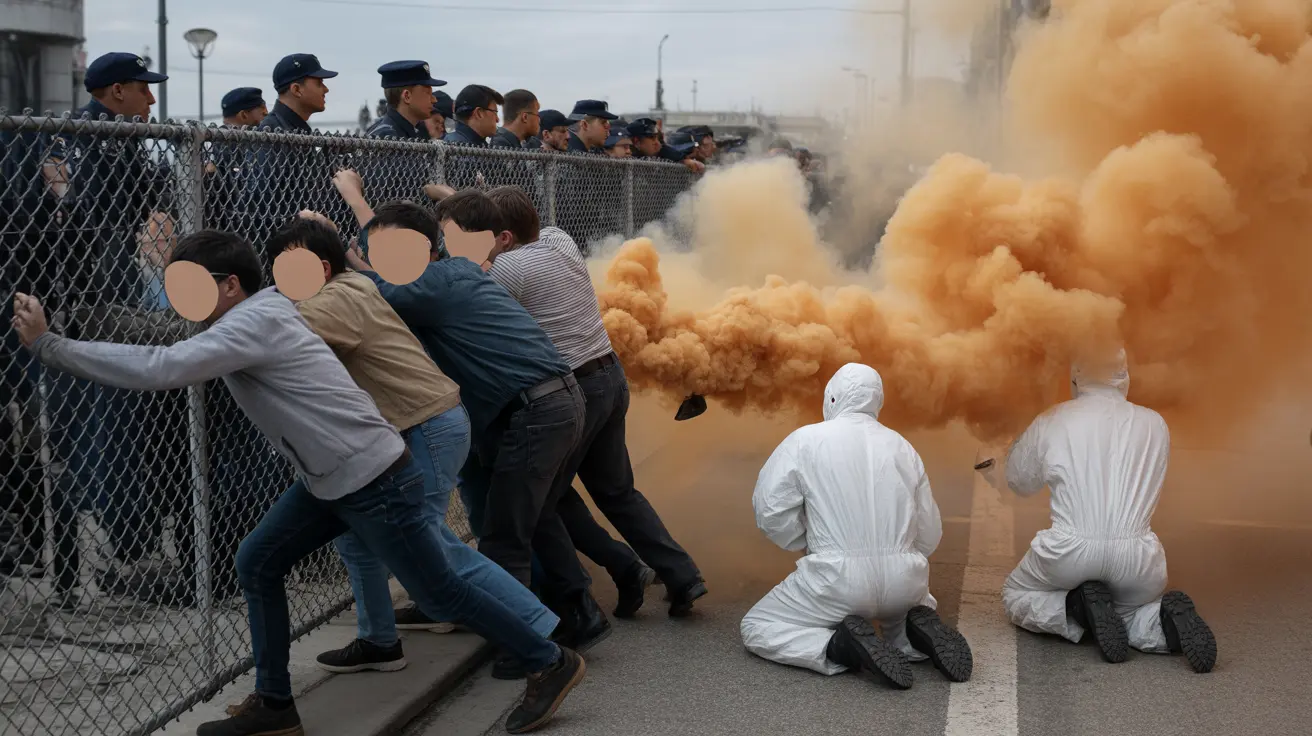
A concerning incident unfolded at Ridglan Farms over the weekend when animal activists attempted to break into the Wisconsin facility, according to reports from the Dane County Sheriff's Office. The Ridglan Farms incident has raised important questions about farm security, animal welfare activism, and the appropriate channels for addressing concerns about livestock operations.
The breach involved activists using tools to cut through farm fencing and ultimately driving a vehicle onto the property, highlighting the escalating nature of some animal rights protests. For pet owners and animal welfare advocates, this incident serves as a reminder of the complex dynamics surrounding farm operations and the various perspectives on animal care standards.
Details of the Saturday Farm Breach
According to the Dane County Sheriff's Office, the animal activists Dane County incident involved multiple concerning behaviors. The activists came prepared with tools specifically designed to cut through the farm's perimeter fencing, demonstrating a premeditated approach to gaining unauthorized access to the property.
The situation escalated when the group managed to breach the fence line using a vehicle, which they then drove around the Ridglan Farms property. This type of unauthorized entry raises serious safety concerns for both the activists and any animals housed on the premises, as sudden intrusions can cause significant stress to livestock and create dangerous situations for all involved.
Understanding Farm Security Challenges
Modern agricultural operations face unique security challenges, particularly those involved in animal agriculture. Farms must balance accessibility for legitimate purposes with protection against unauthorized entry that could compromise animal welfare, biosecurity protocols, and property safety.
The fence cutting tools activists used in this incident represent a serious breach of property boundaries. For farm operations, maintaining secure perimeters is essential not only for protecting livestock from external stressors but also for preventing the introduction of diseases that could affect animal health and the broader agricultural community.
The Role of Law Enforcement in Farm Incidents
The Dane County Sheriff's Office response to the farm breach demonstrates the importance of proper law enforcement protocols when addressing activist activities on private agricultural property. Sheriff's departments across Wisconsin and other agricultural states have developed specific procedures for handling situations where animal rights protesters attempt to access farm facilities without permission.
These incidents require careful balance between respecting First Amendment rights to peaceful protest and protecting private property rights. Law enforcement agencies typically encourage activists to work through legal channels when they have concerns about animal welfare rather than resorting to unauthorized property access.
Impact on Animal Welfare and Farm Operations
When activists drive vehicles onto farm property or breach security measures, the immediate impact often falls on the animals themselves. Livestock can experience significant stress from sudden disruptions to their environment, loud noises, and the presence of unfamiliar people and vehicles.
Farm operators work to maintain consistent, low-stress environments for their animals, following established protocols for feeding, housing, and handling. Unexpected intrusions can disrupt these carefully managed routines and potentially cause harm to the very animals that activists seek to protect.
Legal Channels for Animal Welfare Concerns
Pet owners and animal advocates who have concerns about livestock operations have several legal avenues available. State and federal agencies regularly inspect farming facilities to ensure compliance with animal welfare regulations. Additionally, many farms participate in third-party certification programs that provide additional oversight and transparency.
Working through proper regulatory channels typically proves more effective for creating lasting improvements in animal care standards than unauthorized property access, which can result in criminal charges and may actually hinder legitimate welfare improvement efforts.
Frequently Asked Questions
- What happened during the animal activists' break-in attempt at Ridglan Farms? Animal activists used tools to cut through farm fencing and ultimately breached the property with a vehicle, which they drove around the premises before law enforcement responded to the incident.
- How did activists breach the fences at Ridglan Farms in Dane County? The activists came prepared with cutting tools specifically designed to penetrate farm fencing, allowing them to create openings large enough for both people and vehicles to pass through.
- What tools did animal rights activists use to cut fences at Ridglan Farms? While the Dane County Sheriff's Office confirmed that tools were used to cut the fencing, specific details about the exact types of cutting implements have not been disclosed in the official reports.
- Did activists drive a vehicle onto Ridglan Farms property during the incident? Yes, according to the sheriff's office, activists used a vehicle to breach the property and then drove it around the farm grounds during the unauthorized entry.
- What is the Dane County Sheriff's Office response to the Ridglan Farms breach? The sheriff's office has confirmed the incident and is presumably investigating the unauthorized property access, though specific details about charges or ongoing investigations have not been publicly released.
Moving Forward
The Ridglan Farms incident serves as a reminder that effective animal welfare advocacy works best through established legal channels rather than unauthorized property access. For the broader pet care community, this situation highlights the importance of understanding both animal welfare concerns and the proper methods for addressing them in agricultural settings.




