
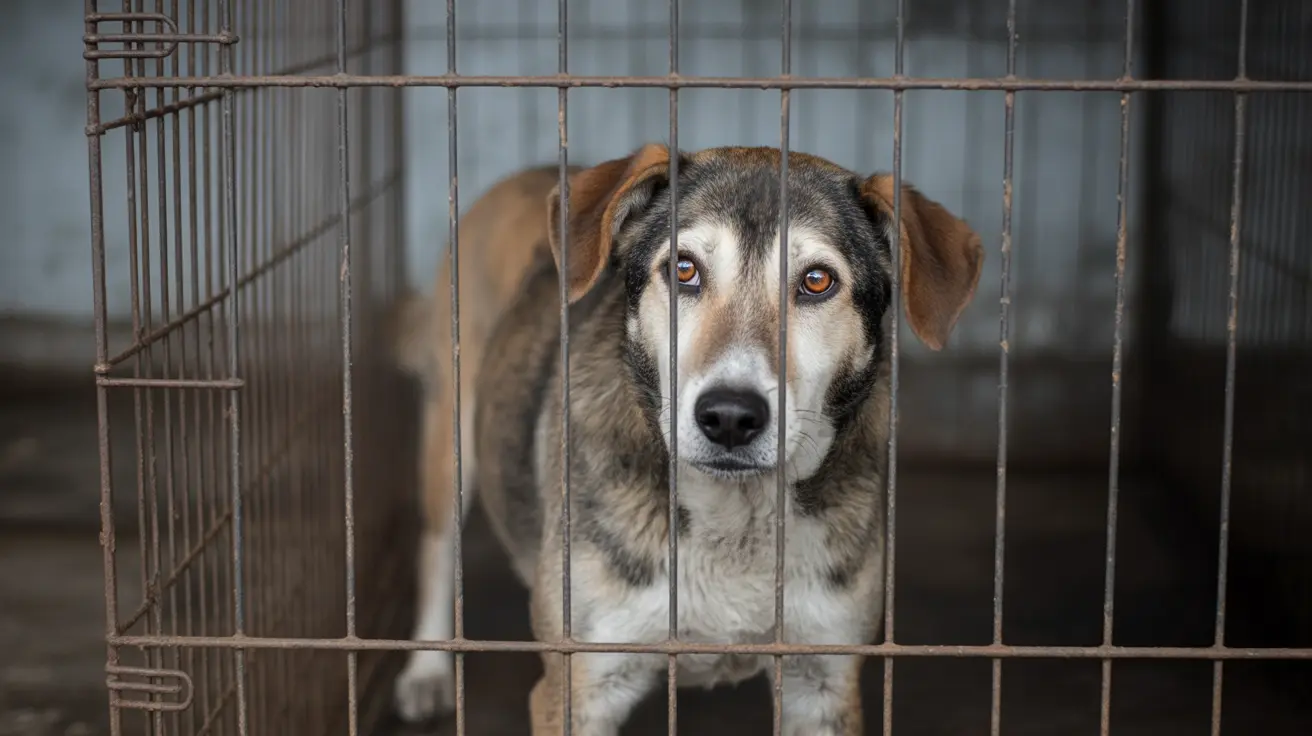
A recent advice column has highlighted a growing issue affecting many pet rescue families: what happens when good intentions to help animals in need begin to overwhelm household boundaries and strain marriages. The case involves a couple where one spouse works in animal rescue and has brought 21 pets into their home, while the other spouse feels their concerns about this situation are being dismissed.
This scenario reflects broader challenges facing the animal rescue community, where passionate advocates sometimes struggle to balance their mission to save animals with the practical limitations of home life. As animal shelter overcrowding continues to worsen across the United States, more families are stepping up to foster and rescue pets, but not all households are equipped to handle the emotional and logistical demands this work requires.
Pet Rescue Marriage Problems: Finding Balance in Animal Advocacy
When one partner is deeply committed to animal rescue work, it can create unique dynamics within a relationship. The spouse involved in rescue often develops strong emotional connections to the animals they're helping, making it difficult to turn away cases or set limits on the number of pets in the home.
In the situation described, the husband has attempted multiple times to explain why having 21 pets isn't sustainable for their household, but feels his concerns aren't being heard. This communication breakdown is common in rescue-involved families, where the urgency of animal need can overshadow practical household considerations like space, finances, and family harmony.
Too Many Pets in House: Recognizing the Warning Signs
While there's no universal number that defines "too many pets," several factors indicate when a household may be exceeding its capacity:
- Veterinary care becomes financially overwhelming
- Living spaces are insufficient for all animals to move comfortably
- Family members feel stressed or overwhelmed by care responsibilities
- Household cleanliness and hygiene become difficult to maintain
Professional animal welfare organizations typically recommend that rescue families establish clear limits before beginning foster work, considering factors like available space, financial resources, and family dynamics.
Home Fostering Boundaries: Essential for Sustainable Rescue Work
Successful long-term rescue work requires establishing and maintaining clear boundaries. This includes setting maximum numbers of animals that can be housed simultaneously, establishing criteria for which cases to accept, and ensuring all family members are on board with rescue activities.
Effective rescue families often create written agreements about their household limits and stick to them, even when presented with heartbreaking cases. This approach helps prevent rescue burnout couples experience when good intentions exceed practical capacity.
Post-COVID Pet Surrenders and the US Shelter Crisis 2025
The current situation facing rescue families reflects broader challenges in animal welfare. Many shelters are experiencing increased surrender rates as pandemic-adopted pets are returned due to changed circumstances, housing issues, or behavioral problems that weren't addressed during isolation periods.
This increased demand for rescue services puts additional pressure on dedicated families who want to help but may not have established sustainable pet limits home policies. The community cat overpopulation problem has also worsened in many areas, creating additional strain on rescue resources.
Preventing Animal Hoarding Signs in Rescue Situations
While the couple described appears motivated by genuine desire to help animals, it's important for rescue families to recognize warning signs that their efforts may be crossing into problematic territory. These include acquiring animals faster than they can be properly placed, prioritizing animal needs over family relationships, and dismissing legitimate concerns from family members about household conditions.
The spay neuter importance cannot be overstated in addressing root causes of pet overpopulation, but individual families shouldn't feel responsible for solving systemic problems at the expense of their own well-being.
Frequently Asked Questions
How many pets is too many to keep in a home without causing family problems?
There's no magic number, but warning signs include financial strain for veterinary care, inability to provide adequate space and attention to each animal, and family conflict over pet care responsibilities. Most experts recommend starting with 2-4 animals and only increasing if all household members agree and resources allow.
Can fostering rescue animals strain a marriage, and how can couples set boundaries?
Yes, rescue work can create significant relationship stress if boundaries aren't established. Couples should discuss limits before starting rescue work, including maximum number of animals, financial limits, and time commitments. Regular check-ins about how rescue work is affecting the relationship are essential.
How do home rescuers avoid turning into hoarding situations with too many animals?
Successful rescuers maintain strict intake limits, ensure proper veterinary care for all animals, prioritize placement over acquisition, and listen to family members' concerns. Working with established rescue organizations rather than operating independently can provide accountability and support.
Moving Forward: Sustainable Rescue Work
The situation described highlights the need for rescue families to find sustainable approaches that help animals while preserving family relationships. Open communication, clear boundaries, and recognition that saying "no" sometimes allows for better long-term impact are crucial for successful rescue work.
For families facing similar challenges, seeking guidance from established rescue organizations or family counselors experienced with animal welfare families can provide valuable perspective on balancing compassion with practical limitations.




