
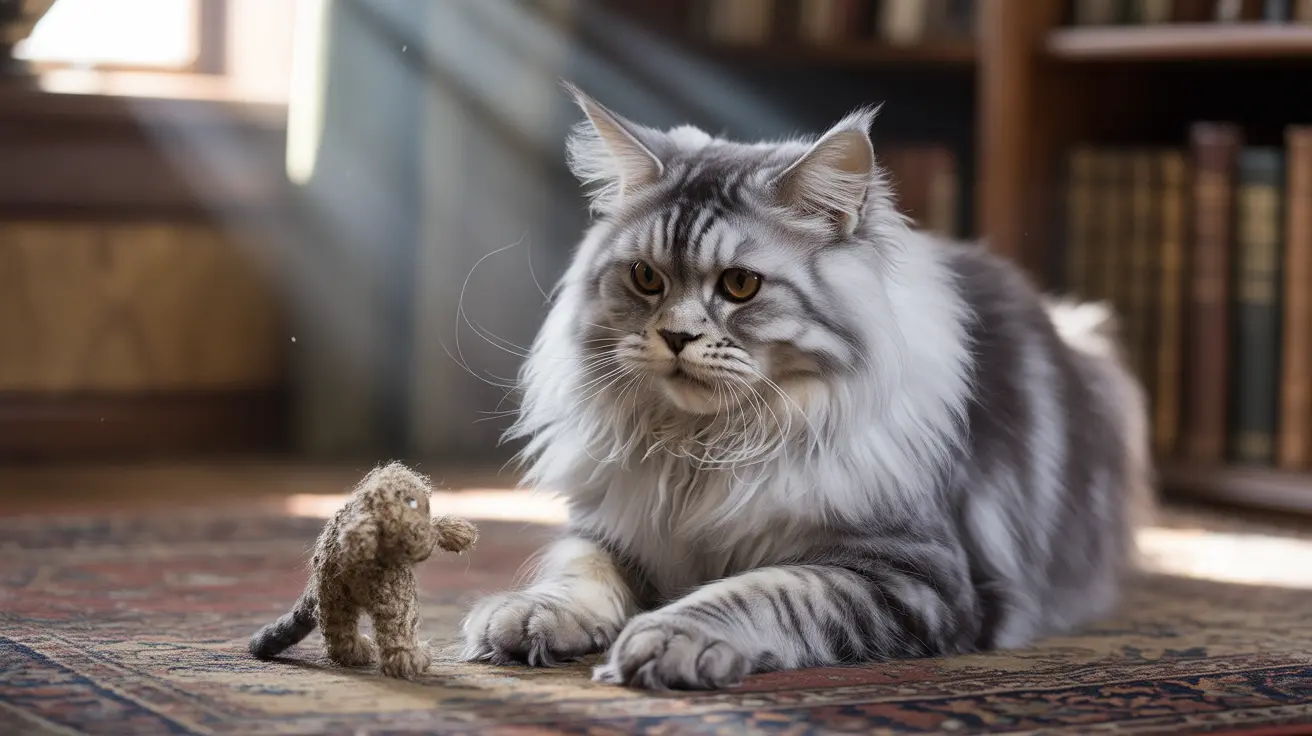
Understanding the signs of inbreeding is essential for cat owners, breeders, and animal welfare advocates who want to ensure the health and well-being of feline companions. Recognizing these indicators early can help prevent suffering, guide responsible breeding choices, and promote healthier cat populations overall.
Many cat lovers are unaware that certain physical or behavioral quirks in their pets may be linked to inbreeding. From subtle asymmetries in facial structure to chronic health problems, the consequences can vary widely. This article explores the most common signs of inbred cats, the biological reasons behind them, and what owners can do to provide proper care. By learning to identify these traits, you can make informed decisions about adoption, breeding, and long-term feline health management.
Physical Characteristics That May Indicate Inbreeding
One of the most visible effects of inbreeding in cats is the presence of physical abnormalities. Because inbreeding reduces genetic diversity, recessive genes that cause deformities or health issues are more likely to appear. Cats that come from a limited gene pool may show irregularities in body structure, coat quality, or facial symmetry. For example, some inbred cats have shorter jaws, misaligned teeth, or unusually shaped skulls that give them a distinctive but unhealthy appearance. Others may have smaller or misshapen eyes, crooked tails, or disproportionate limbs that affect their mobility.
Coat and color variations can also signal inbreeding. While unique patterns may seem appealing, excessive uniformity or dullness in fur texture can indicate genetic weakness. Inbred cats sometimes have thin, patchy coats or suffer from chronic skin conditions. Their immune systems may struggle to maintain healthy fur growth, leading to persistent shedding or bald spots. Additionally, congenital defects such as heart murmurs, cleft palates, or spinal deformities are more common in cats from heavily inbred lines, particularly in purebred populations where selective breeding is intense.
When evaluating a cat’s physical health, it’s important to consider both appearance and function. A cat that looks normal but tires easily, struggles to jump, or has frequent respiratory issues may still be suffering from the hidden effects of inbreeding. Veterinary examinations, including genetic testing, can help confirm whether these traits are inherited or caused by other factors. Recognizing these signs early allows owners to provide targeted care and avoid breeding cats that may pass on harmful genes.
Behavioral and Cognitive Signs of Inbreeding
Inbreeding doesn’t just affect a cat’s body—it can also influence its mind and behavior. Cats with limited genetic diversity may display unusual or unpredictable behaviors, often linked to neurological or developmental issues. Some may appear less intelligent or have difficulty learning basic tasks, such as using a litter box or responding to their name. Others might exhibit repetitive or compulsive actions, like excessive grooming, pacing, or tail chasing, which can be signs of stress or cognitive impairment.
Social behavior is another area where inbred cats may differ. They might be unusually aggressive, fearful, or withdrawn compared to typical cats. Because inbreeding can affect brain chemistry and emotional regulation, these animals may struggle to form normal bonds with humans or other pets. In some cases, kittens from inbred litters show delayed social development, making them harder to train or integrate into multi-cat households. These behavioral challenges can be frustrating for owners but are often rooted in the cat’s genetic makeup rather than poor training.
Understanding these behavioral signs helps owners respond with patience and compassion. Providing a stable environment, consistent routines, and gentle socialization can improve an inbred cat’s quality of life. Consulting a veterinarian or animal behaviorist can also help identify whether the behavior stems from genetic issues, trauma, or environmental stressors. Recognizing that these traits are not the cat’s fault is key to offering the right support and care.
Health Problems Common in Inbred Cats
Inbreeding increases the likelihood of hereditary diseases because it amplifies the expression of recessive genes. Over time, this can lead to a range of chronic health conditions that affect both lifespan and quality of life. Inbred cats are more prone to immune system deficiencies, making them vulnerable to infections and slower to recover from illness. They may also suffer from congenital heart defects, kidney disease, or respiratory problems that appear early in life. These conditions often require ongoing medical attention and can significantly shorten a cat’s lifespan.
Some breeds with a history of inbreeding, such as Persians or Siamese cats, are particularly susceptible to genetic disorders. For instance, polycystic kidney disease (PKD) is common in Persian lines, while Siamese cats may experience neurological issues or crossed eyes due to selective breeding. Inbred cats may also have reduced fertility, smaller litter sizes, and higher rates of stillbirths. These reproductive challenges further highlight the biological cost of maintaining narrow genetic lines.
Owners should be alert to recurring signs of illness, such as chronic sneezing, digestive problems, or unexplained weight loss. Regular veterinary checkups, including blood tests and genetic screenings, can help detect inherited conditions before they become severe. Preventive care, balanced nutrition, and stress reduction are essential for managing the health of inbred cats. By understanding the medical risks, owners can make informed decisions about treatment and avoid perpetuating genetic weaknesses through breeding.
Preventing and Managing Inbreeding in Cat Populations
Reducing inbreeding requires a combination of responsible breeding practices and public awareness. Ethical breeders maintain detailed genetic records and avoid pairing cats that share close ancestry. They also work to introduce new bloodlines into their breeding programs to maintain genetic diversity. For pet owners, adopting from shelters or reputable breeders who prioritize health over appearance is one of the best ways to discourage inbreeding. Supporting organizations that promote genetic testing and transparent breeding standards helps ensure healthier feline populations.
When caring for an inbred cat, management focuses on minimizing health risks and improving quality of life. This includes providing a nutrient-rich diet, maintaining a clean environment, and scheduling regular veterinary visits. Mental stimulation through play and environmental enrichment can also help reduce anxiety and behavioral issues. Owners should be prepared for potential medical expenses, as inbred cats may require specialized care or medication throughout their lives.
Education plays a vital role in prevention. By learning about the dangers of inbreeding and sharing that knowledge with others, cat enthusiasts can help shift the culture toward more ethical breeding. Veterinarians, shelters, and breeders can collaborate to promote genetic testing and responsible adoption practices. Ultimately, preventing inbreeding is not just about preserving breed standards—it’s about protecting the health and happiness of cats everywhere.
Promoting Healthier Generations of Cats
Inbreeding in cats is a complex issue that intertwines genetics, ethics, and animal welfare. While some degree of selective breeding is necessary to maintain certain traits, excessive inbreeding can lead to serious physical, behavioral, and health problems. Recognizing the signs—whether visible deformities, unusual behavior, or chronic illness—is the first step toward responsible ownership and breeding. Every cat deserves a chance at a healthy, fulfilling life, and that begins with informed human choices.
By supporting ethical breeding practices, encouraging genetic diversity, and providing compassionate care for affected cats, we can help reduce the prevalence of inbreeding-related issues. Awareness and education empower owners to make better decisions, ensuring that future generations of cats are stronger, healthier, and more resilient. The well-being of our feline companions ultimately reflects the care and responsibility we show as their guardians.
FAQ
What is inbreeding in cats?
Inbreeding occurs when closely related cats, such as siblings or parents and offspring, are bred together. This practice reduces genetic diversity, increasing the likelihood that harmful recessive genes will be expressed. While some breeders use controlled inbreeding to preserve specific traits, excessive inbreeding often results in health and behavioral problems. Over time, it can weaken a breed’s overall vitality and make cats more susceptible to disease. Understanding this process helps owners recognize why genetic diversity is essential for maintaining healthy feline populations.
How can I tell if my cat is inbred?
Signs of inbreeding can appear in both physical and behavioral forms. Physically, an inbred cat may have asymmetrical facial features, crooked tails, or chronic health issues like respiratory problems. Behaviorally, they might display unusual aggression, fearfulness, or difficulty learning. Genetic testing through a veterinarian can confirm whether your cat has inherited traits linked to inbreeding. Observing your cat’s development, health, and temperament over time provides valuable clues about its genetic background.
Are purebred cats always inbred?
Not all purebred cats are inbred, but many breeds have limited gene pools due to selective breeding. Responsible breeders work to minimize inbreeding by introducing new bloodlines and using genetic testing to avoid pairing related cats. However, some breeds with strict appearance standards face higher risks of inbreeding-related issues. When purchasing a purebred cat, it’s important to ask breeders about their genetic diversity practices and health screening protocols to ensure ethical breeding.
What health problems are common in inbred cats?
Inbred cats are more likely to suffer from hereditary diseases such as heart defects, kidney disorders, immune deficiencies, and neurological problems. They may also experience reduced fertility, smaller litter sizes, and higher rates of congenital deformities. Chronic respiratory infections, digestive issues, and poor coat quality are additional signs of weakened genetics. Regular veterinary care and early detection can help manage these conditions, but prevention through responsible breeding remains the most effective solution.
Can inbreeding affect a cat’s behavior?
Yes, inbreeding can influence a cat’s temperament and cognitive function. Cats with limited genetic diversity may show signs of anxiety, aggression, or confusion. Some may have difficulty socializing or exhibit repetitive behaviors like over-grooming or pacing. These traits often stem from neurological or developmental issues caused by genetic imbalances. Providing a calm environment, consistent routines, and mental stimulation can help manage behavioral challenges, but understanding their genetic origin is key to compassionate care.
Is it possible to reverse the effects of inbreeding?
While the genetic effects of inbreeding cannot be completely reversed, careful breeding strategies can reduce their impact over time. Introducing unrelated cats into breeding programs helps restore genetic diversity and improve overall health. For individual cats, supportive care—such as proper nutrition, regular veterinary visits, and stress management—can mitigate symptoms and enhance quality of life. The goal is not to erase genetic history but to prevent further propagation of harmful traits through responsible breeding.
Should I adopt an inbred cat?
Adopting an inbred cat can be a rewarding experience if you’re prepared for potential health or behavioral challenges. Many such cats can live happy lives with attentive care and veterinary support. Before adopting, learn about the cat’s background and ask for any available medical history. Be ready to provide extra patience and possibly higher medical expenses. Adoption gives these cats a chance at a loving home while discouraging unethical breeding practices that perpetuate inbreeding.
How can breeders prevent inbreeding?
Ethical breeders maintain detailed pedigree records and use genetic testing to avoid pairing related cats. They also collaborate with other breeders to introduce new bloodlines and maintain genetic diversity. Transparency with buyers about breeding practices and health screenings builds trust and promotes responsible ownership. By prioritizing health over appearance, breeders can help ensure that future generations of cats are stronger and less prone to inherited diseases.
What role do veterinarians play in managing inbred cats?
Veterinarians are essential in identifying and managing the effects of inbreeding. They can perform genetic tests, diagnose hereditary conditions, and recommend treatment plans tailored to each cat’s needs. Regular checkups allow early detection of health issues, while professional advice helps owners manage behavioral or developmental challenges. Veterinarians also educate breeders and pet owners about the importance of genetic diversity, making them key advocates for healthier feline populations.
Can genetic testing detect inbreeding in cats?
Yes, modern genetic testing can reveal the degree of relatedness between cats and identify inherited disorders linked to inbreeding. These tests analyze DNA markers to assess genetic diversity and detect mutations associated with specific diseases. Breeders use this information to make informed pairing decisions, while owners can use it to understand their cat’s health risks. Genetic testing is a valuable tool for promoting responsible breeding and ensuring the long-term well-being of cats.




