
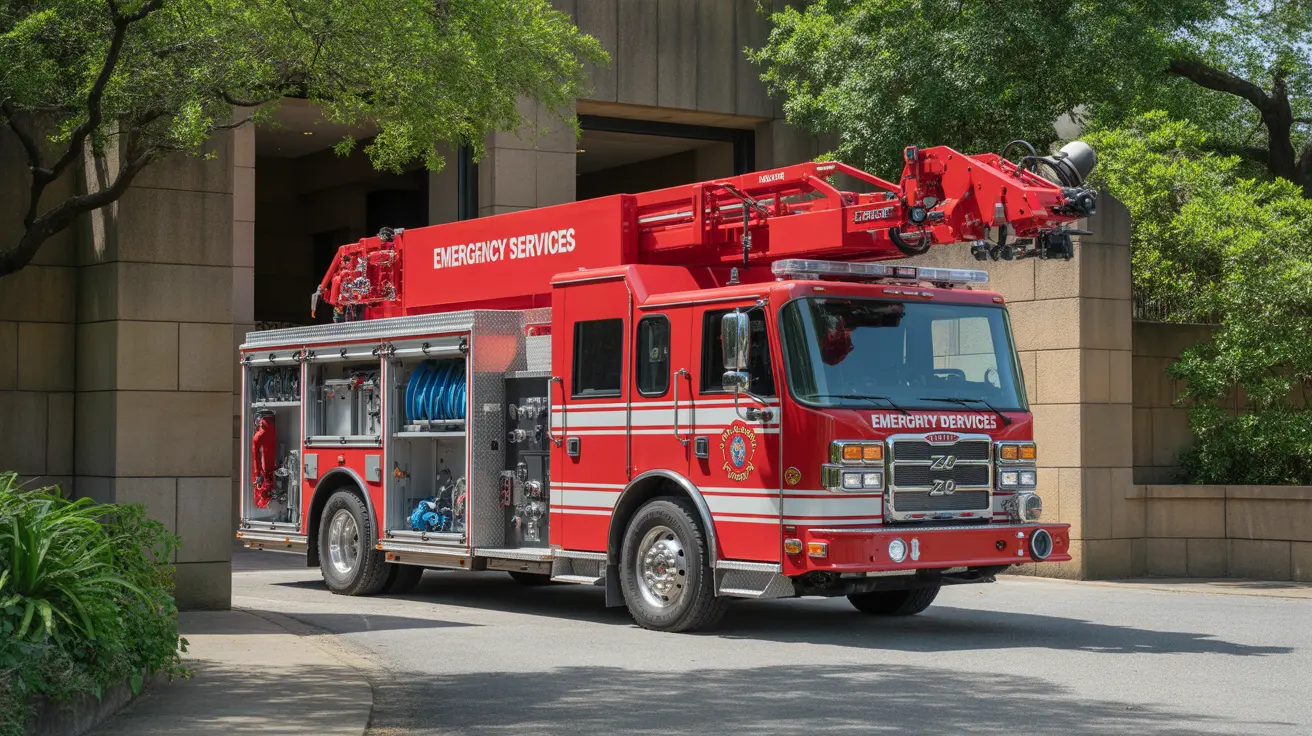
Emergency Response to the ZooWorld Lemur Tragedy
Bay County Sheriff's deputies responded swiftly to reports of the fire at the ZooWorld facility. The electrical fire zoo animals faced proved to be particularly dangerous due to the rapid spread of smoke throughout the lemur enclosure. Despite the quick response from emergency personnel, the six lemurs 64named Pluto, Mars, Saturn, Jupiter, Neptune, and Mercury succumbed to smoke inhalation before they could be rescued.
The zoo fire response deputies initiated demonstrates the challenges first responders face when dealing with animal emergencies. Unlike human evacuations, animal rescues require specialized knowledge of species behavior and proper handling techniques, making these situations particularly complex and time-sensitive.
Understanding Lemur Welfare and Zoo Safety Protocols
The lemurs died in zoo fire incident underscores the unique vulnerabilities these primates face during emergency situations. Lemurs, like many small mammals, are extremely sensitive to smoke inhalation and can quickly become disoriented or incapacitated when exposed to toxic fumes. Their small lung capacity and rapid respiratory rate make them particularly susceptible to smoke-related injuries.
Florida zoo fire incidents like this one highlight the need for robust safety measures specifically designed to protect animals. Zoos typically implement multiple layers of protection, including fire suppression systems, evacuation protocols, and regular safety drills. However, electrical malfunctions can occur suddenly and spread rapidly, sometimes outpacing even the best-prepared response plans.
Preventing Zoo Fires and Protecting Animals
The ZooWorld closure after fire has prompted discussions about preventing zoo fires animals face during electrical emergencies. Modern zoological facilities often employ advanced fire detection systems, including smoke sensors, heat detectors, and automatic sprinkler systems designed specifically for animal habitats.
Pet owners can learn valuable lessons from this tragedy about fire safety in their own homes. Just as zoos must prepare for emergencies, pet parents should develop evacuation plans that include their animals, ensure smoke detectors are functioning properly, and know how to quickly and safely transport pets during emergencies.
The Impact on ZooWorld and the Community
This Florida zoo fire 2026 incident has deeply affected staff, volunteers, and visitors who knew these six lemurs by name. The loss of Pluto, Mars, Saturn, Jupiter, Neptune, and Mercury represents not just a tragic accident, but the loss of individual animals with distinct personalities who served as ambassadors for their species.
Animal rescue zoo fire situations like this remind us of the dedication required to care for exotic animals and the heartbreak that can result when despite best efforts, tragedy strikes. The ZooWorld community continues to mourn while working to prevent similar incidents in the future.
Frequently Asked Questions
- What happened in the ZooWorld fire in Panama City Beach that killed six lemurs? On January 15, 2026, an electrical fire broke out at ZooWorld in Panama City Beach, Florida. The fire produced deadly smoke that filled the lemur enclosure, resulting in the deaths of six lemurs named Pluto, Mars, Saturn, Jupiter, Neptune, and Mercury due to smoke inhalation.
- How did emergency responders react to the ZooWorld lemur barn fire? Bay County Sheriff's deputies responded quickly to the emergency call. Despite their swift response, the rapid spread of smoke and the lemurs' vulnerability to smoke inhalation prevented successful rescue efforts for the six animals involved.
- Why are lemurs particularly vulnerable to smoke inhalation in zoo fires? Lemurs have small lung capacities and rapid respiratory rates, making them extremely sensitive to smoke and toxic fumes. They can quickly become disoriented or incapacitated when exposed to smoke, reducing their ability to escape dangerous situations.
Moving Forward After Tragedy
The ZooWorld fire serves as a sobering reminder of the responsibilities that come with caring for animals and the importance of comprehensive emergency preparedness. As the facility works to recover from this tragedy, the memory of these six lemurs will likely inspire enhanced safety protocols and continued dedication to animal welfare.
For all pet owners and animal lovers, this incident reinforces the critical importance of fire safety planning and the need to always be prepared to protect the animals in our care during emergencies.




