
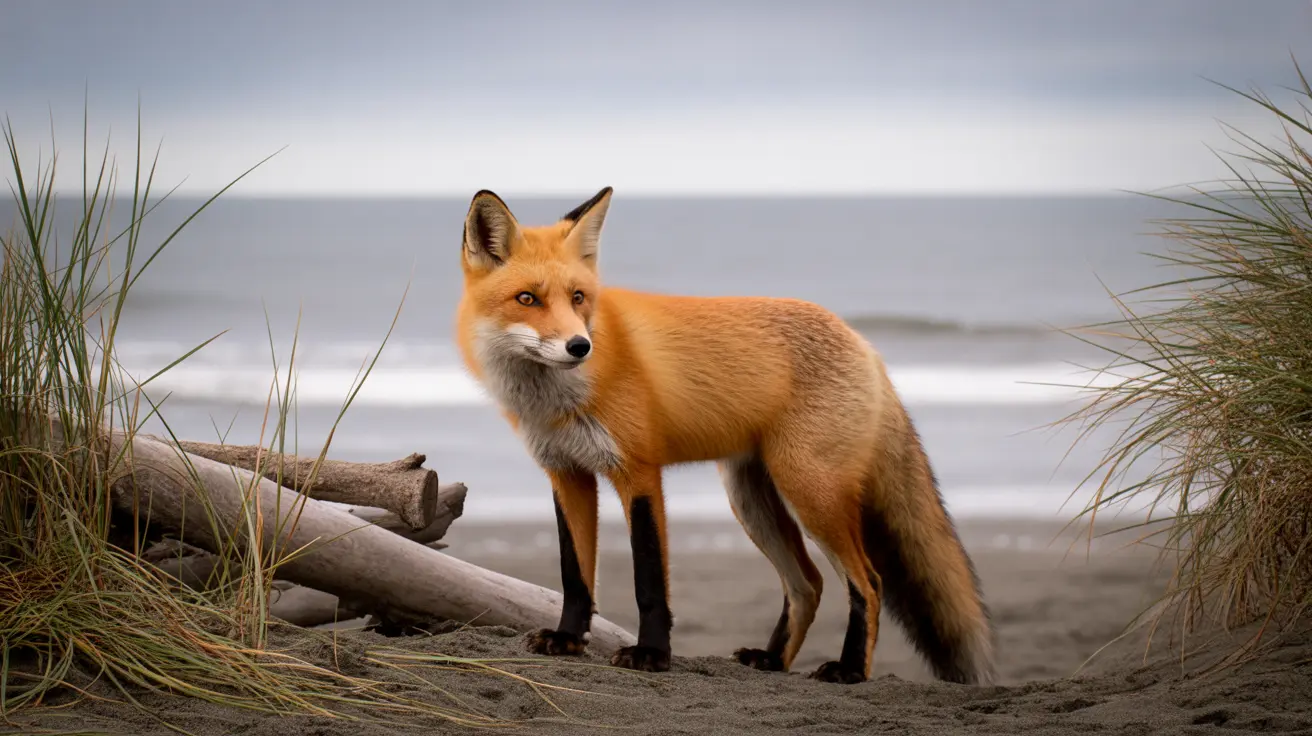
Red Foxes Bait Coyote Hunts: Understanding the Illegal Practice
The use of red foxes as bait in coyote hunting represents a violation of Washington state wildlife regulations. Coyote hunters participating in these competitions skin the foxes to harvest valuable pelts before using the remaining carcasses to lure coyotes. This practice not only violates baiting laws but also raises ethical concerns about wildlife management and conservation.
Red foxes are naturally appealing to coyotes as a food source, making them effective bait. However, Washington state has implemented strict regulations governing the use of bait in hunting activities to maintain ecological balance and ensure fair hunting practices.
Fox Carcasses Long Beach Peninsula Discovery
The Long Beach Peninsula became a focal point for these discoveries as multiple skinned fox carcasses washed ashore, creating alarm among beachgoers and local residents. The pattern of these findings suggested organized activity rather than natural wildlife mortality, prompting the comprehensive WDFW investigation that ultimately identified the source.
These beach discoveries serve as physical evidence of illegal hunting practices occurring in the region, demonstrating how wildlife crimes can have visible environmental impacts that extend beyond the immediate hunting areas.
Washington Coyote Baiting Ban and Legal Framework
Washington state maintains strict regulations regarding wildlife baiting practices. The use of bait to attract predators like coyotes is heavily regulated and, in many cases, prohibited entirely. These laws exist to prevent unfair hunting advantages and protect ecosystem integrity.
Pet owners should be aware that these illegal hunting practices can pose risks to domestic animals. Coyotes drawn to bait stations may become more aggressive or territorial, potentially threatening pets in nearby residential areas. Additionally, the presence of fox carcasses can attract other predators and scavengers to areas where people walk their dogs.
Wildlife Killing Contests Washington: Broader Conservation Concerns
This incident highlights ongoing debates about wildlife killing contests and their impact on local ecosystems. Such competitions can disrupt natural predator-prey relationships and may encourage practices that circumvent established hunting ethics and regulations.
For pet parents living in areas where these activities occur, it's important to maintain vigilance when walking dogs near wilderness areas or beaches where wildlife activity might be elevated. Keeping pets on leashes and avoiding areas with unusual animal activity can help ensure their safety.
Reporting Illegal Coyote Baiting and Wildlife Crimes
The WDFW encourages public reporting of suspected illegal hunting activities. Citizens who observe suspicious wildlife-related activities, including the placement of animal carcasses as bait or evidence of illegal hunting competitions, should contact wildlife enforcement officers immediately.
Proper reporting helps authorities track illegal activities and protect both wildlife populations and domestic animals. Pet owners can play a crucial role in conservation efforts by remaining alert to unusual wildlife activities in their communities and reporting concerns through appropriate channels.
Frequently Asked Questions
- What are the skinned canine carcasses washing up on Washington beaches? The carcasses are red foxes that have been skinned for their pelts and used illegally as bait in coyote hunting competitions. WDFW necropsy findings confirmed these were fox remains rather than domestic dogs or other canines.
- Is baiting coyotes with dead animals legal in Washington state? No, using dead animals as bait for coyote hunting violates Washington state wildlife regulations. The practice is illegal and subject to enforcement action by wildlife authorities.
- How can I report illegal wildlife baiting or coyote hunting contests? Contact the Washington Department of Fish and Wildlife enforcement division immediately if you observe suspicious hunting activities, unusual animal carcass placement, or evidence of illegal baiting practices. Prompt reporting helps protect wildlife and ensures legal compliance.
Conclusion
The resolution of the skinned foxes Washington beaches mystery reveals concerning illegal hunting practices that impact both wildlife conservation and community safety. Pet owners should remain vigilant about these activities, as they can affect local predator behavior and ecosystem balance.
By understanding these issues and supporting proper wildlife management through legal hunting practices and prompt reporting of violations, communities can help protect both wild animals and beloved pets from the consequences of illegal hunting activities.




