
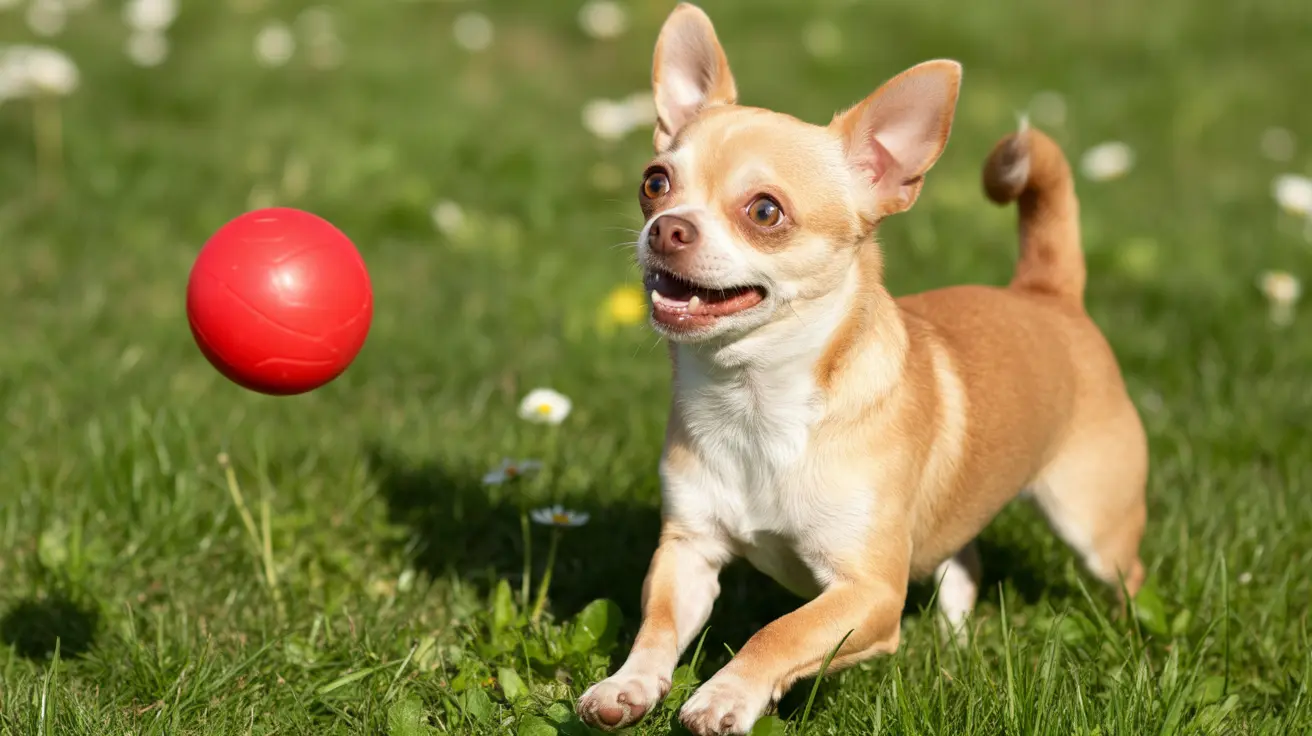
Chihuahuas originated in Mexico and are believed to be descendants of the ancient Techichi dogs kept by the Toltec civilization. Over centuries, selective breeding refined their size and temperament, resulting in the modern Chihuahua we know today. Within this breed, there are several variations—some officially recognized and others emerging through careful breeding. Understanding these distinctions helps potential owners choose a Chihuahua that best fits their lifestyle and expectations.
Before diving into the specific types, it’s important to note that all Chihuahuas share a few defining characteristics: a rounded “apple” head, large expressive eyes, and a confident, alert demeanor. However, their coats, sizes, and even personalities can vary widely depending on lineage and breeding. The following sections explore these differences in greater depth, offering a complete look at what makes each small Chihuahua variety unique.
Types of Small Chihuahua Breeds
While the American Kennel Club officially recognizes only two coat types—smooth coat and long coat—enthusiasts often refer to several informal subtypes based on size, shape, and appearance. These include the Teacup Chihuahua, Apple Head Chihuahua, Deer Head Chihuahua, and Miniature Chihuahua. Each has distinct physical traits and temperamental nuances that appeal to different kinds of dog lovers.
The Teacup Chihuahua is the smallest of all, typically weighing under three pounds. Their tiny size makes them irresistibly cute but also more fragile and prone to health issues. Apple Head Chihuahuas, named for their rounded skulls, are the most traditional form and often appear in dog shows. Deer Head Chihuahuas have a longer muzzle and more slender body, resembling a young deer. Miniature Chihuahuas are slightly larger than Teacups but still smaller than the standard breed, offering a balance between size and sturdiness.
Each variety has its own charm, but potential owners should remember that smaller size often comes with greater care requirements. Teacup and Miniature Chihuahuas, for instance, may need extra warmth, softer bedding, and more frequent feeding due to their fast metabolism. Choosing the right type depends not only on appearance but also on the owner’s ability to meet the dog’s specific needs and lifestyle demands.
Personality and Behavior of Small Chihuahuas
Despite their size, small Chihuahuas are known for their bold and confident personalities. They often act as though they are much larger than they really are, displaying a fearless attitude toward other animals and even strangers. This self-assured nature makes them excellent watchdogs, as they are quick to alert their owners to any unusual sounds or movements. However, their protective instincts can sometimes lead to excessive barking or possessiveness if not properly trained.
Chihuahuas are also highly affectionate and form deep bonds with their owners. They thrive on attention and enjoy being close to their human companions, often curling up on laps or following their owners from room to room. Because of this attachment, they can experience separation anxiety if left alone for long periods. Early socialization and consistent training help them develop confidence and prevent behavioral issues such as jealousy or nervousness around strangers.
These dogs are intelligent and eager to learn, though they can be stubborn at times. Positive reinforcement methods—using praise, treats, and patience—work best when training a Chihuahua. They respond poorly to harsh discipline, which can make them fearful or defensive. With the right approach, small Chihuahuas can master basic commands, house training, and even agility exercises, proving that intelligence isn’t limited by size.
Health, Nutrition, and Grooming Needs
Due to their small frames, Chihuahuas require careful attention to diet and health. Overfeeding can quickly lead to obesity, which puts strain on their joints and heart. A balanced diet rich in lean protein, healthy fats, and essential vitamins is crucial. Small-breed dog food formulas are ideal because they are designed to meet the nutritional needs of dogs with fast metabolisms. Owners should feed them small, frequent meals to maintain stable energy levels throughout the day.
Health concerns common among small Chihuahuas include dental problems, hypoglycemia, and patellar luxation (a knee joint issue). Regular veterinary checkups and preventive care can help detect and manage these conditions early. Because of their delicate bone structure, rough play or jumping from high surfaces should be avoided. Providing soft bedding and safe play areas helps prevent injuries and ensures comfort.
Grooming requirements vary depending on coat type. Smooth-coat Chihuahuas need weekly brushing to remove loose hair and maintain shine, while long-coat varieties require more frequent grooming to prevent tangles and matting. Bathing should be done every few weeks using a gentle dog shampoo. Regular dental care—brushing teeth and offering dental chews—is essential to prevent gum disease, which is common in small breeds. Proper grooming not only keeps them looking their best but also contributes to their overall health and well-being.
Living with a Small Chihuahua
Small Chihuahuas adapt well to various living environments, from apartments to larger homes, as long as they receive enough attention and exercise. They do not require long walks but benefit from short daily outings and indoor play sessions. Mental stimulation is equally important; puzzle toys, obedience training, and gentle playtime keep them engaged and prevent boredom-related behaviors like chewing or barking.
Because of their size, Chihuahuas are sensitive to temperature changes. They can easily become cold, especially in winter, so providing warm clothing or blankets is recommended. In hot weather, they should have access to shade and water to prevent overheating. Their small bodies regulate temperature less efficiently than larger breeds, making climate control an essential part of their care routine.
Families with young children should supervise interactions carefully. While Chihuahuas are affectionate, their small size makes them vulnerable to accidental injury. They often do best in households with older children or adults who understand how to handle them gently. When properly cared for, these dogs can live up to 15 years or more, offering years of companionship and joy to their owners.
Chihuahuas hold the distinction of being the world's smallest dog breed, capturing hearts with their compact size and outsized personalities. Whether you're considering adding one to your family or simply curious about these tiny companions, understanding the different small Chihuahua breeds and their unique characteristics is essential.
In this comprehensive guide, we'll explore everything you need to know about small Chihuahua breeds, from their distinct varieties to proper care requirements and health considerations.
Different Types of Small Chihuahua Breeds
Apple Head Chihuahuas
Apple Head Chihuahuas are the most widely recognized Chihuahua variety. They feature a rounded, dome shaped skull and a sharp angle where the muzzle meets the forehead. These dogs are usually smaller, standing 5 to 8 inches tall and weighing between 2 and 6 pounds.
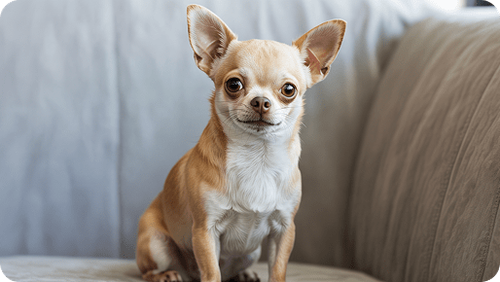
Deer Head Chihuahuas
Deer Head Chihuahuas have a longer muzzle and a more angular head shape, similar to a young deer. They are slightly taller and more athletic than apple heads while maintaining the breed’s small overall size.
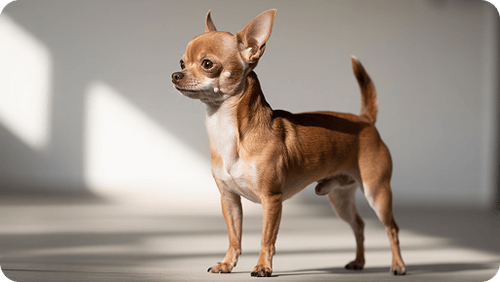
Smooth Coat Chihuahuas
Smooth Coat Chihuahuas have short, glossy hair that lies close to the body. They require minimal grooming but shed consistently throughout the year.
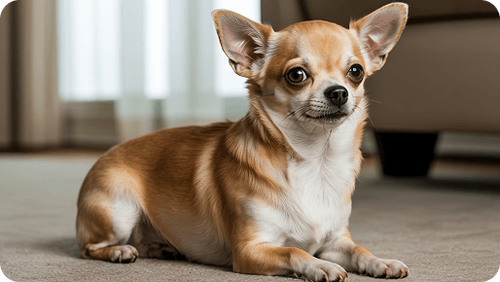
Long Coat Chihuahuas
Long Coat Chihuahuas have soft, feathered fur on the ears, tail, legs, and body. They require daily brushing to prevent tangles and matting.
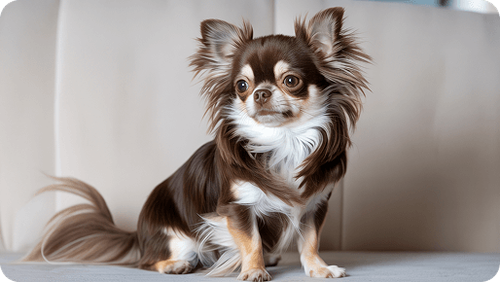
Standard Size Chihuahuas
Standard size Chihuahuas typically weigh between 3 and 6 pounds and meet official breed standards. They offer the best balance between size, health, and durability.
Miniature Chihuahuas
Miniature Chihuahuas are naturally smaller individuals within the normal weight range. They are not a separate breed and should not be selectively bred for reduced size.
Teacup Chihuahuas
Teacup Chihuahuas weigh under 3 pounds. This unofficial label describes extremely small dogs that face higher risks of medical complications.
Merle Chihuahuas
Merle Chihuahuas display a mottled coat pattern with lighter and darker patches. Responsible breeding is essential due to associated genetic health risks.
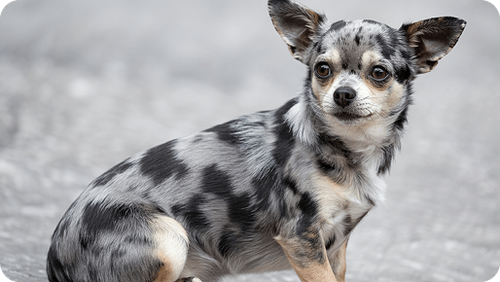
Brindle Chihuahuas
Brindle Chihuahuas feature subtle striping patterns across their coat. This variation affects appearance only and does not change temperament or size.
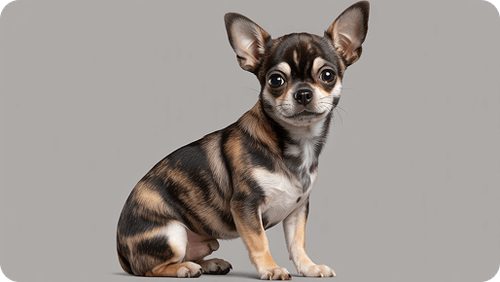
Parti Color Chihuahuas
Parti Color Chihuahuas have two or more clearly defined coat colors. This pattern is common and accepted across Chihuahua varieties.

Chihuahua Mixes
Chihuahua mixes combine traits from Chihuahuas and other small breeds. Size, coat type, and temperament vary depending on the parent breeds.
Physical Characteristics and Size Standards
Standard Chihuahuas typically measure 6-9 inches in height and weigh no more than 6 pounds according to official breed standards. However, some key physical traits include:
- Compact, well-rounded body structure
- Erect ears and expressive eyes
- Choice of smooth (short) or long coat varieties
- Various color combinations and patterns
Health Considerations for Small Chihuahuas
Due to their diminutive size, small Chihuahuas require special attention to maintain optimal health. Common health concerns include:
- Dental issues due to small mouth size
- Hypoglycemia, especially in very tiny specimens
- Patella luxation (kneecap dislocation)
- Heart conditions
- Hydrocephalus in apple head varieties
Proper Care and Management
Ensuring the wellbeing of small Chihuahua breeds requires attention to several key areas:
- Regular veterinary check-ups
- High-quality nutrition appropriate for tiny breeds
- Temperature regulation (they're sensitive to cold)
- Gentle handling and supervision around children
- Proper dental care and regular brushing
FAQ
What is the smallest type of Chihuahua?
The smallest type is the Teacup Chihuahua, which typically weighs under three pounds and stands only about six inches tall. These dogs are bred for their miniature size, but their tiny frames make them more fragile than standard Chihuahuas. Owners must handle them with great care, avoiding rough play or high jumps. Because of their small stomachs and fast metabolism, Teacup Chihuahuas need frequent, small meals throughout the day to maintain stable blood sugar levels and prevent hypoglycemia.
How long do small Chihuahuas live?
Small Chihuahuas are known for their impressive lifespan, often living between 12 and 20 years with proper care. Their longevity depends on genetics, diet, and lifestyle. Regular veterinary checkups, a balanced diet, and protection from extreme temperatures all contribute to a longer, healthier life. Owners who provide consistent attention and preventive care can expect their Chihuahua to remain active and affectionate well into old age.
Are small Chihuahuas good with children?
Chihuahuas can be wonderful family pets, but their small size makes them vulnerable around very young children who may not understand how to handle them gently. They tend to bond closely with one or two family members and may become protective. Supervised interactions and teaching children to respect the dog’s boundaries are essential. In households with older children or adults, Chihuahuas usually thrive and enjoy being part of daily family life.
Do small Chihuahuas bark a lot?
Chihuahuas are naturally alert and vocal, which makes them excellent watchdogs. However, without proper training, their barking can become excessive. Early socialization and consistent commands help manage this behavior. Providing mental stimulation and regular exercise also reduces anxiety-driven barking. When trained properly, Chihuahuas can learn to bark only when necessary, maintaining their protective instincts without becoming a nuisance.
What should I feed my small Chihuahua?
A high-quality small-breed dog food is ideal for Chihuahuas. These formulas are designed to meet their unique nutritional needs, offering the right balance of protein, fat, and essential nutrients. Because of their small stomachs, it’s best to feed them two to four small meals per day instead of one large portion. Avoid giving them table scraps or foods high in fat and sugar, as these can lead to obesity and digestive issues. Always provide fresh water and monitor their weight regularly.
How much exercise do small Chihuahuas need?
Although they are energetic, small Chihuahuas do not require extensive exercise. Short daily walks combined with indoor playtime are usually sufficient. They enjoy interactive games like fetch or chasing small toys, which help burn off energy and strengthen their bond with their owners. Mental stimulation through training or puzzle toys is equally important to keep them sharp and content. Overexertion should be avoided, especially in extreme weather conditions.
Are small Chihuahuas easy to train?
Chihuahuas are intelligent and eager to please, but they can also be stubborn. Consistent, positive reinforcement methods work best—rewarding good behavior with treats and praise. Harsh discipline should be avoided, as it can make them fearful or defensive. Early socialization helps them adapt to new people and environments, reducing anxiety and aggression. With patience and persistence, most Chihuahuas learn commands quickly and enjoy the mental challenge of training sessions.
What health problems are common in small Chihuahuas?
Common health issues include dental disease, hypoglycemia, heart problems, and patellar luxation. Regular dental care, balanced nutrition, and routine vet visits are essential for prevention. Because of their small size, they are also prone to injuries from falls or rough handling. Owners should provide safe spaces and avoid letting them jump from furniture. Monitoring their weight and keeping vaccinations up to date further supports long-term health and vitality.
Do small Chihuahuas get along with other pets?
Chihuahuas can coexist peacefully with other pets if introduced properly. They often prefer the company of dogs their own size but can adapt to larger animals with supervision. Early socialization is key to preventing territorial behavior. Because they are naturally confident, they may try to assert dominance, so structured introductions and positive reinforcement help maintain harmony. With patience, Chihuahuas can form strong bonds with other pets in the household.
How can I keep my small Chihuahua comfortable at home?
Comfort starts with a safe, warm environment. Provide a cozy bed, soft blankets, and a designated space where your Chihuahua can rest undisturbed. Keep the home temperature moderate, as they are sensitive to cold and heat. Offer toys for mental stimulation and ensure they have easy access to food and water. Regular grooming, gentle handling, and daily affection help them feel secure and loved, creating a happy and balanced home life.




