
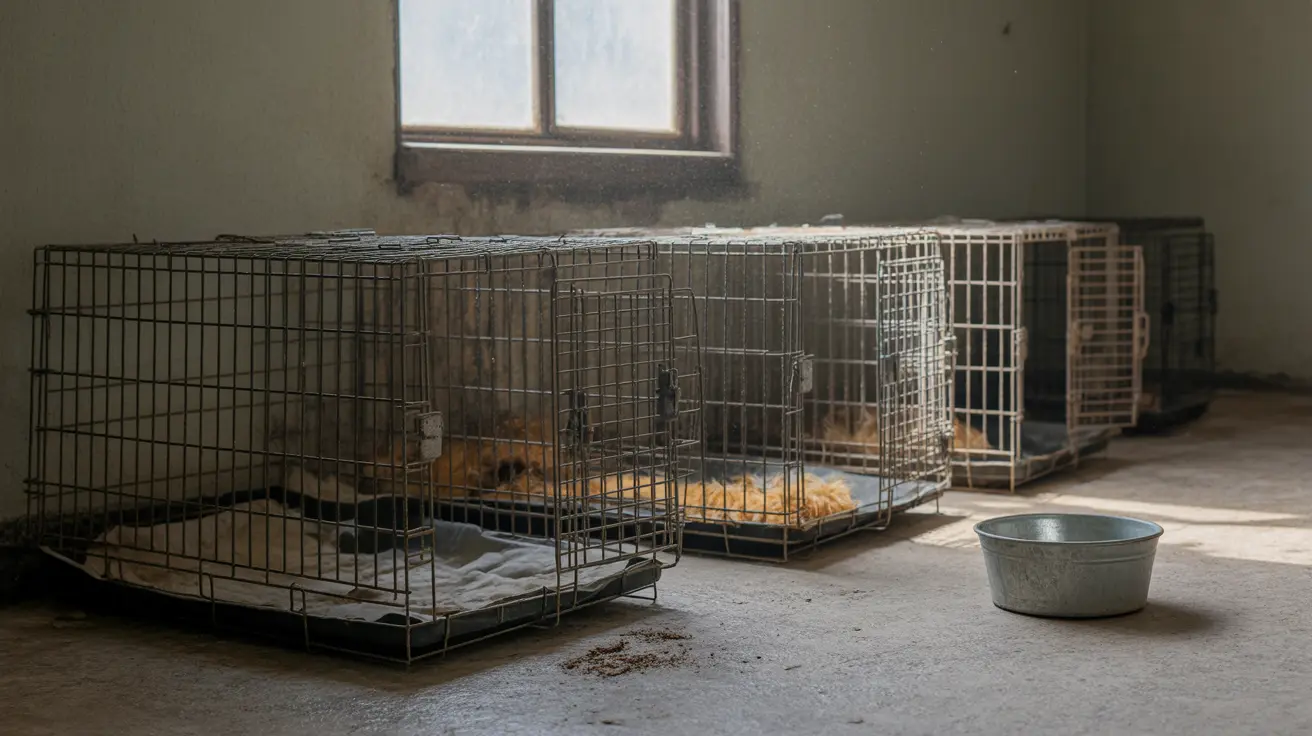
A shocking case of dog rescue fraud has come to light in the UK, where a man who operated a dog rescue centre has pleaded guilty to causing unnecessary suffering to animals and fraud offenses. The case has sent shockwaves through the pet care community after authorities discovered dead dogs at the facility, highlighting the dark side of unregulated animal shelters and the urgent need for pet owners to exercise caution when dealing with rescue organizations.
This disturbing incident serves as a stark reminder that not all animal rescue operations have the best interests of pets at heart. For pet parents looking to adopt, donate, or surrender animals, understanding how to identify legitimate rescue centers has never been more critical.
The Reality of Unregulated Dog Shelters
The case underscores serious concerns about animal welfare fraud in the UK and beyond. When rescue centres operate without proper oversight, animals can suffer tremendously while unsuspecting donors continue to provide financial support believing their money is helping pets in need.
Shelter neglect cases like this one often involve multiple warning signs that concerned pet lovers should watch for. Legitimate rescue organizations typically maintain transparent operations, provide regular updates about their animals, and welcome visits from potential adopters and volunteers.
How to Spot Fake Rescues and Avoid Pet Scam Warnings
Protecting yourself and animals from donation scams requires vigilance. Authentic rescue centers usually have established reputations in their communities, maintain active social media presence with regular updates about successful adoptions, and provide clear information about their operations and finances.
Red flags include rescues that refuse facility visits, provide vague information about their animals' conditions, or pressure donors for immediate large contributions. Legitimate organizations typically welcome questions and encourage potential adopters to take time making decisions.
RSPCA Animal Cruelty Reports and Prevention
Organizations like the RSPCA play crucial roles in investigating animal welfare fraud and ensuring that rescue operations meet basic standards of care. When cases like this come to light, they often result from concerned individuals reporting suspicious activities or concerning conditions.
Pet owners and animal lovers should never hesitate to report suspected neglect or abuse to appropriate authorities. Early intervention can prevent unnecessary suffering and save lives.
Protecting Pets Through Better Awareness
Dog hoarding scandals and similar cases often develop gradually, with warning signs that observant community members might notice. Changes in facility conditions, unusual numbers of animal deaths, or secretive behavior from operators should raise concerns.
For those considering puppy rehoming or adopting from rescue centers, thorough research remains essential. Reputable organizations provide health records, allow meet-and-greet sessions, and often require home visits or applications to ensure good matches between pets and families.
Building Stronger Animal Welfare Systems
This case highlights the need for stronger regulations and oversight of animal rescue operations. While most rescue workers are dedicated individuals genuinely committed to animal welfare, the existence of fraudulent operations damages trust and potentially diverts resources from legitimate efforts.
Supporting established, transparent rescue organizations helps ensure that donations reach animals in need. Many legitimate rescues welcome volunteers, which provides additional oversight and transparency in their operations.
Frequently Asked Questions
How can I spot a fake dog rescue centre to avoid scams and animal abuse?
Look for rescue centers that welcome facility visits, provide clear information about their animals and operations, maintain active social media with adoption success stories, and have positive reviews from local veterinarians and community members. Avoid organizations that refuse visits, provide minimal information, or pressure for immediate large donations.
What are the signs of fraud in UK dog rescues like the recent case with dead dogs?
Warning signs include secretive operations, refusal to allow facility visits, vague or inconsistent information about animals in their care, unusual numbers of animal deaths, poor facility conditions, and lack of transparency about finances or operations. Trust your instincts if something seems off.
Why are unregulated animal shelters vulnerable to neglect and unnecessary suffering?
Without proper oversight, rescue operations can deteriorate quickly. Operators may become overwhelmed, lack proper resources, or in worst cases, exploit the situation for personal gain. Regular inspections and community oversight help ensure animals receive appropriate care.
How do I safely donate to legitimate dog rescues without falling for fraud?
Research organizations thoroughly, visit their facilities if possible, check their registration status with relevant authorities, read reviews and testimonials, and start with smaller donations to observe how they operate before making larger commitments.
What should I do if I suspect animal cruelty or fraud at a local rescue centre?
Contact local authorities, animal welfare organizations like the RSPCA, or police immediately. Provide specific details about your concerns, including dates, locations, and observed conditions. Don't attempt to investigate personally, as this could interfere with official investigations.
This case serves as a sobering reminder that eternal vigilance remains the price of animal welfare. By staying informed and supporting legitimate rescue efforts, pet lovers can help ensure that animals receive the care and protection they deserve while avoiding those who would exploit both animals and kind-hearted donors.




