
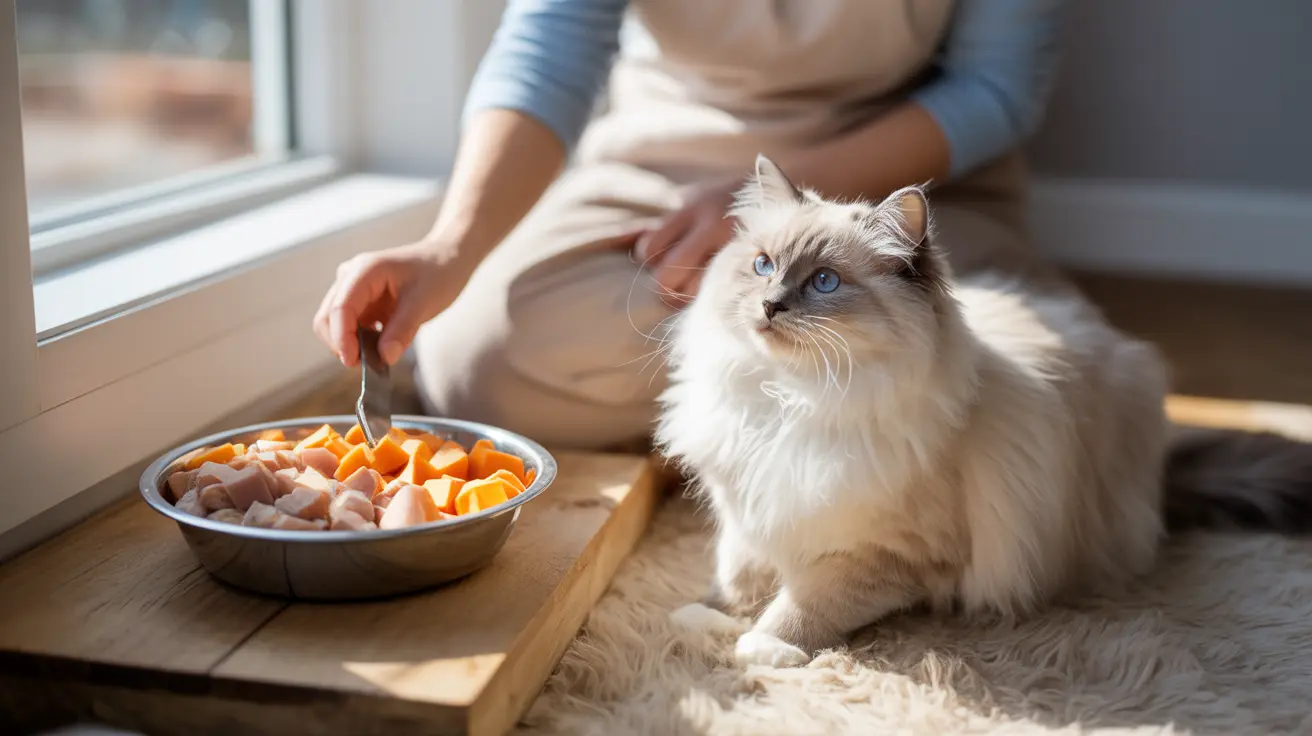
Veterinarians emphasize that homemade meals can be beneficial when done correctly, offering fresher ingredients and greater control over what your cat consumes. However, they must be carefully planned to meet feline dietary standards established by organizations like the Association of American Feed Control Officials (AAFCO). Consulting a vet or a certified pet nutritionist before switching to homemade food ensures that your recipes are safe, balanced, and tailored to your cat’s age, weight, and health condition.
Understanding your cat’s nutritional needs is the foundation of any successful homemade feeding plan. Cats require a precise ratio of protein, fat, and limited carbohydrates, along with essential vitamins and minerals. Once you grasp these fundamentals, you can begin crafting meals that not only satisfy your cat’s taste buds but also support long-term health and vitality.
Essential Ingredients for Vet-Approved Cat Food Recipes
Creating nutritious homemade cat food starts with selecting the right ingredients. High-quality animal proteins such as chicken, turkey, beef, or fish should form the base of every recipe. These proteins supply amino acids vital for muscle maintenance and energy. Organ meats like liver and heart are also crucial, as they provide taurine and other micronutrients that cats cannot synthesize on their own. Including a small amount of healthy fat, such as fish oil or chicken fat, helps maintain a shiny coat and supports brain function.
While cats need minimal carbohydrates, small portions of cooked vegetables like pumpkin or peas can aid digestion and provide fiber. It’s important to avoid ingredients that are toxic to cats, including onions, garlic, chocolate, grapes, and certain artificial sweeteners. Additionally, calcium and phosphorus must be balanced carefully, often through the inclusion of ground eggshells or bone meal, to support strong bones and teeth.
Veterinary-approved recipes often include supplements to ensure complete nutrition. These may contain taurine, vitamin E, B-complex vitamins, and omega-3 fatty acids. Always measure ingredients precisely and follow professional guidance to prevent nutrient imbalances. Once you have the right components, you can prepare meals that are both safe and satisfying for your feline companion.
Popular Vet-Approved Homemade Cat Food Recipes
Several simple yet nutritious recipes have been endorsed by veterinarians for home preparation. One popular option is a chicken and liver blend, which combines cooked chicken breast, chicken liver, and a small amount of pumpkin puree. This mixture provides lean protein, essential amino acids, and gentle fiber for digestion. Another favorite is a salmon and rice recipe, ideal for cats that enjoy fish. It includes cooked salmon, a touch of brown rice, and a few drops of fish oil for omega-3 enrichment.
For cats with sensitive stomachs or allergies, a turkey and sweet potato recipe can be soothing and easy to digest. It uses ground turkey, mashed sweet potato, and a calcium supplement to maintain bone health. Always ensure that all meats are fully cooked and bones are removed to prevent choking hazards or internal injuries. After preparing the food, allow it to cool completely before serving, and store leftovers in airtight containers in the refrigerator for up to three days.
- Chicken and Liver Mix: High in protein and taurine; supports muscle and heart health.
- Salmon and Rice Bowl: Rich in omega-3s; promotes a shiny coat and healthy skin.
- Turkey and Sweet Potato Blend: Gentle on digestion; suitable for cats with food sensitivities.
- Beef and Pumpkin Stew: Provides iron and fiber; helps maintain energy levels.
These recipes can be rotated to provide variety while ensuring balanced nutrition. Always introduce new foods gradually to avoid digestive upset and monitor your cat’s reaction to each meal.
Preparation Tips and Food Safety Guidelines
Food safety is paramount when preparing homemade cat meals. Always wash your hands, utensils, and surfaces thoroughly before and after handling raw meat. Use fresh, high-quality ingredients and avoid expired or questionable products. Cooking meat to the proper temperature eliminates harmful bacteria such as Salmonella and E. coli, which can pose risks to both cats and humans. Avoid seasoning or adding salt, as cats are sensitive to sodium and certain spices.
Portion control is another critical aspect of homemade feeding. Cats require specific calorie amounts based on their weight, age, and activity level. Overfeeding can lead to obesity, while underfeeding may cause malnutrition. Divide meals into small, consistent portions and feed your cat at regular intervals. If you’re unsure about portion sizes, your veterinarian can help calculate the appropriate daily intake.
Proper storage extends the freshness and safety of homemade cat food. Refrigerate prepared meals in sealed containers and discard any leftovers after three days. For longer storage, freeze portions in airtight bags and thaw them in the refrigerator before serving. Never leave food out at room temperature for extended periods, as this encourages bacterial growth. Following these safety practices ensures that your cat’s meals remain wholesome and risk-free.
Monitoring Your Cat’s Health and Adjusting the Diet
Transitioning to homemade cat food requires careful observation. During the first few weeks, monitor your cat’s appetite, energy levels, coat condition, and litter box habits. Positive signs include steady weight, bright eyes, and a glossy coat. If you notice lethargy, digestive issues, or changes in behavior, consult your veterinarian immediately. These symptoms may indicate that the diet needs adjustment or supplementation.
Regular veterinary checkups are essential to ensure your cat’s nutritional needs continue to be met. Blood tests can reveal whether your cat is receiving adequate vitamins and minerals. As cats age or develop health conditions, their dietary requirements may change. For example, senior cats often benefit from lower-calorie meals with added joint support nutrients, while kittens need higher protein and fat levels for growth.
- Schedule routine vet visits every six months to assess overall health.
- Track your cat’s weight and body condition score regularly.
- Adjust recipes based on life stage, activity level, and medical conditions.
- Introduce dietary changes gradually to prevent digestive upset.
By staying attentive and flexible, you can maintain a diet that evolves with your cat’s needs, ensuring long-term wellness and vitality.
Preparing vet-approved homemade cat food can be a rewarding way to care for your feline companion. It allows you to control ingredient quality, avoid unnecessary additives, and cater to your cat’s unique preferences. However, success depends on understanding feline nutrition, following safe preparation practices, and maintaining regular veterinary oversight. With the right balance of protein, fat, vitamins, and minerals, homemade meals can support a healthy, happy life for your cat.
Ultimately, the goal is not just to feed your cat but to nourish them. By combining professional guidance with careful preparation, you can create meals that promote longevity, vitality, and the special bond you share with your pet.
FAQ
Can I feed my cat only homemade food?
Yes, but only if the recipes are nutritionally complete and balanced. Cats require specific nutrients like taurine, vitamin A, and arachidonic acid that must be included in precise amounts. Homemade diets lacking these elements can lead to serious health problems. Always consult a veterinarian or pet nutritionist before switching entirely to homemade food. They can help design a meal plan that meets all of your cat’s dietary needs and recommend supplements if necessary.
How do I know if my homemade cat food is balanced?
The best way to ensure balance is to follow recipes that have been reviewed or formulated by veterinarians. You can also compare your recipe’s nutrient profile to AAFCO standards. Regular veterinary checkups and blood tests can confirm whether your cat’s diet provides adequate nutrition. If deficiencies are detected, your vet may suggest adding specific supplements or adjusting ingredient ratios.
Is raw cat food safe?
Raw diets are controversial because they carry a higher risk of bacterial contamination. While some owners prefer raw feeding for its perceived natural benefits, veterinarians often recommend lightly cooking meat to eliminate pathogens. If you choose to feed raw, source meat from reputable suppliers, handle it hygienically, and store it properly. Discuss this approach with your vet to ensure it’s safe for your cat’s health and your household.
Can I use fish as the main protein source?
Fish can be a healthy part of your cat’s diet but should not be the sole protein source. Overreliance on fish may lead to nutrient imbalances and excessive mercury intake. It’s best to rotate fish with other proteins like chicken, turkey, or beef. When using fish, ensure it’s fully cooked and deboned, and consider adding a taurine supplement to maintain heart and eye health.
How often should I feed my cat homemade food?
Most adult cats do well with two meals per day, while kittens may need three to four smaller meals. Consistency is key—feed your cat at the same times daily to support digestion and prevent overeating. The portion size should be based on your cat’s weight, age, and activity level. Your veterinarian can help determine the correct calorie intake and feeding schedule for your pet.
What supplements are necessary for homemade cat food?
Common supplements include taurine, calcium, vitamin E, B-complex vitamins, and omega-3 fatty acids. These ensure your cat receives all essential nutrients that may not be present in sufficient amounts in homemade meals. The exact supplements and dosages depend on the recipe and your cat’s health status. Always use vet-approved products and avoid over-supplementation, which can be harmful.
Can I freeze homemade cat food?
Yes, freezing is an excellent way to preserve freshness and prevent spoilage. Divide the food into individual portions, place them in airtight containers or freezer bags, and label them with the date. Frozen cat food can typically be stored for up to three months. Thaw portions in the refrigerator before serving, and never refreeze thawed food. This method helps maintain nutritional quality and convenience.
What signs indicate my cat’s diet needs adjustment?
Watch for changes in weight, coat condition, appetite, or energy levels. A dull coat, lethargy, or digestive issues may signal nutritional deficiencies or imbalances. Regular veterinary visits and blood tests can help identify problems early. If your cat shows any concerning symptoms, consult your vet immediately to modify the diet or add necessary supplements.
Are homemade diets suitable for kittens?
Kittens have higher energy and nutrient requirements than adult cats, so their diets must be carefully formulated. Homemade food for kittens should include more protein, fat, and calcium to support growth and development. Always use recipes specifically designed for kittens and approved by a veterinarian. Feeding adult cat recipes to kittens can result in stunted growth or nutrient deficiencies.
Can I mix homemade and commercial cat food?
Yes, combining homemade and commercial food can offer the best of both worlds. It allows you to provide fresh, wholesome ingredients while ensuring nutritional completeness from commercial formulas. If you choose this approach, maintain consistent portion sizes and avoid sudden changes in diet. Mixing the two can also help your cat transition gradually to homemade meals without digestive upset.




