A Fuquay-Varina resident is facing animal cruelty charges after authorities discovered nine dogs living in what officials described as "severe unsanitary living conditions." This case highlights the ongoing issue of animal neglect and the importance of recognizing warning signs that could indicate pets are suffering in unsafe environments.
Wake County animal control officers removed all nine dogs from the home during their investigation. The discovery underscores the critical role that animal welfare enforcement plays in protecting vulnerable pets from neglect and abuse situations that can threaten their health and wellbeing.
Understanding Animal Neglect Signs
Animal neglect cases like this one in Fuquay-Varina often involve multiple warning signs that concerned neighbors and community members can learn to identify. Severe unsanitary living conditions typically include accumulation of waste, lack of proper ventilation, inadequate shelter, and environments that pose health risks to both animals and humans.
Pet owners have a legal and moral responsibility to provide basic care including clean living spaces, adequate nutrition, fresh water, and appropriate veterinary care. When these fundamental needs are not met, animals can suffer from various health complications including respiratory issues, skin conditions, parasites, and behavioral problems stemming from chronic stress.
Animal Cruelty Charges and Legal Consequences
North Carolina takes animal welfare seriously, with specific statutes addressing different levels of animal cruelty and neglect. A Class 1 misdemeanor animal cruelty charge represents a significant legal consequence that can result in fines, probation, and potential jail time. More severe cases involving intentional torture or malicious killing can escalate to Class H felony charges.
The legal system recognizes that animals depend entirely on their caretakers for survival and protection. When owners fail to meet these basic responsibilities, law enforcement and animal control agencies have the authority to intervene and remove animals from dangerous situations.
Animal Confiscation Laws and Process
When authorities discover animals in neglectful conditions, they follow established protocols for animal confiscation. This process typically begins with an investigation triggered by reports from concerned citizens, routine inspections, or other law enforcement activities. Animal control officers document conditions, assess the animals' health status, and determine whether immediate removal is necessary.
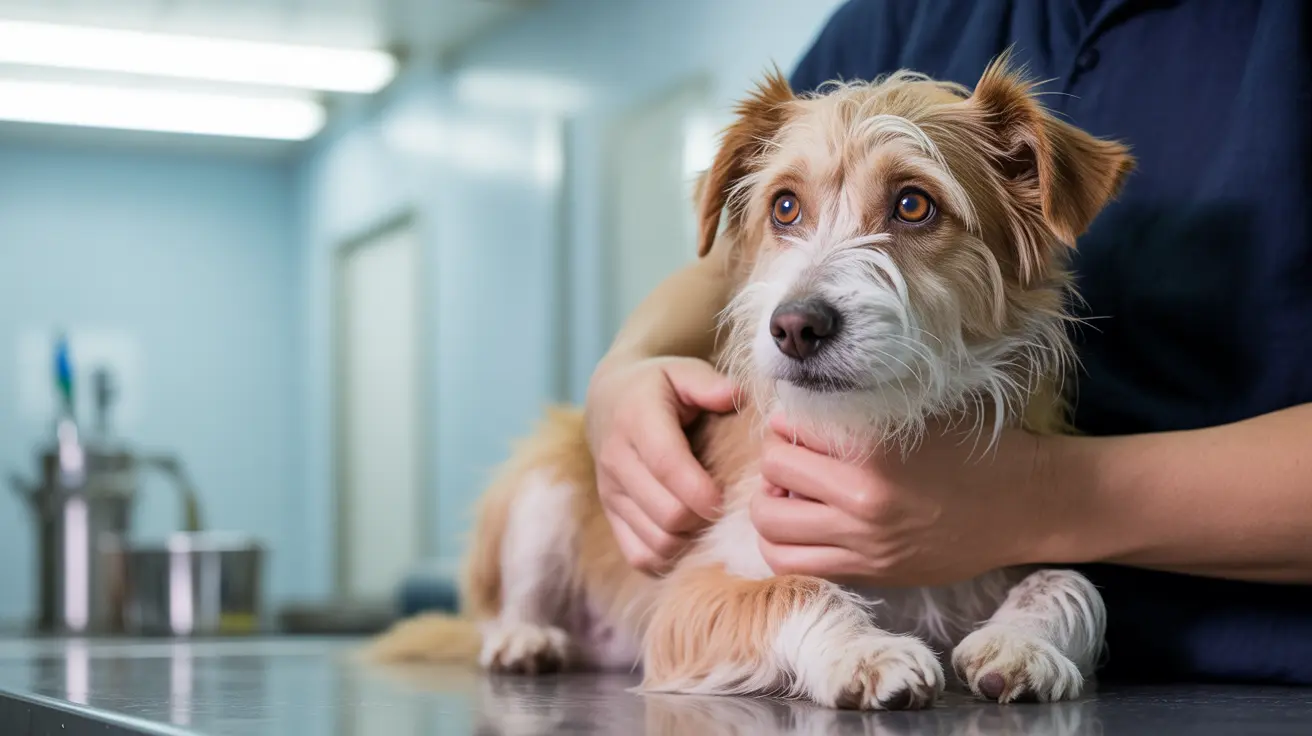
During confiscation, officers prioritize the animals' immediate safety and medical needs. Rescued animals often require extensive veterinary care, rehabilitation, and behavioral assessment before they can be considered for adoption into loving homes.
Wake County Animal Control Response
Wake County animal control officers demonstrated their commitment to animal welfare by taking swift action in this case. Their intervention prevented further suffering and gave these nine dogs a chance at recovery and potential rehoming with families who can provide proper care.
Local animal control agencies rely on community members to report suspected cases of neglect or abuse. Early intervention can prevent situations from deteriorating to the point where animals suffer severe health consequences or death.
Preventing Animal Hoarding Situations
Cases involving multiple animals in unsanitary conditions often stem from animal hoarding disorder, a complex psychological condition where individuals accumulate more pets than they can properly care for. Hoarding situations typically develop gradually, making early identification and intervention crucial for preventing animal suffering.
Community awareness and education play vital roles in preventing these situations. Pet owners should regularly assess whether they can adequately care for all their animals and seek help if they feel overwhelmed by their responsibilities.
Frequently Asked Questions
- What are the signs of animal neglect and hoarding that I should report to animal control? Key warning signs include multiple animals in poor condition, strong odors from properties, visible accumulation of waste, animals that appear malnourished or sick, and properties with excessive animal noise or activity. If you observe these conditions, contact your local animal control agency immediately.
- What are the penalties for animal cruelty and neglect in North Carolina? North Carolina classifies animal cruelty charges based on severity. Class 1 misdemeanor charges can result in fines up to $1,000 and up to 120 days in jail. More serious Class H felony charges carry heavier penalties including potential prison sentences and higher fines.
- How does animal confiscation work when authorities discover neglected animals? Animal control officers investigate reported cases, document conditions, and remove animals when necessary for their safety. Confiscated animals receive veterinary care and are evaluated for potential adoption while legal proceedings against the owner move through the court system.
Moving Forward
This Fuquay-Varina case serves as a reminder that protecting animal welfare requires community vigilance and prompt action when neglect is suspected. By understanding the signs of animal neglect and knowing how to report concerns, pet lovers can help prevent suffering and ensure that all animals receive the care they deserve.
The successful intervention by Wake County animal control offers hope that these nine dogs will receive proper medical care and eventually find loving homes where they can thrive in safe, sanitary environments.