
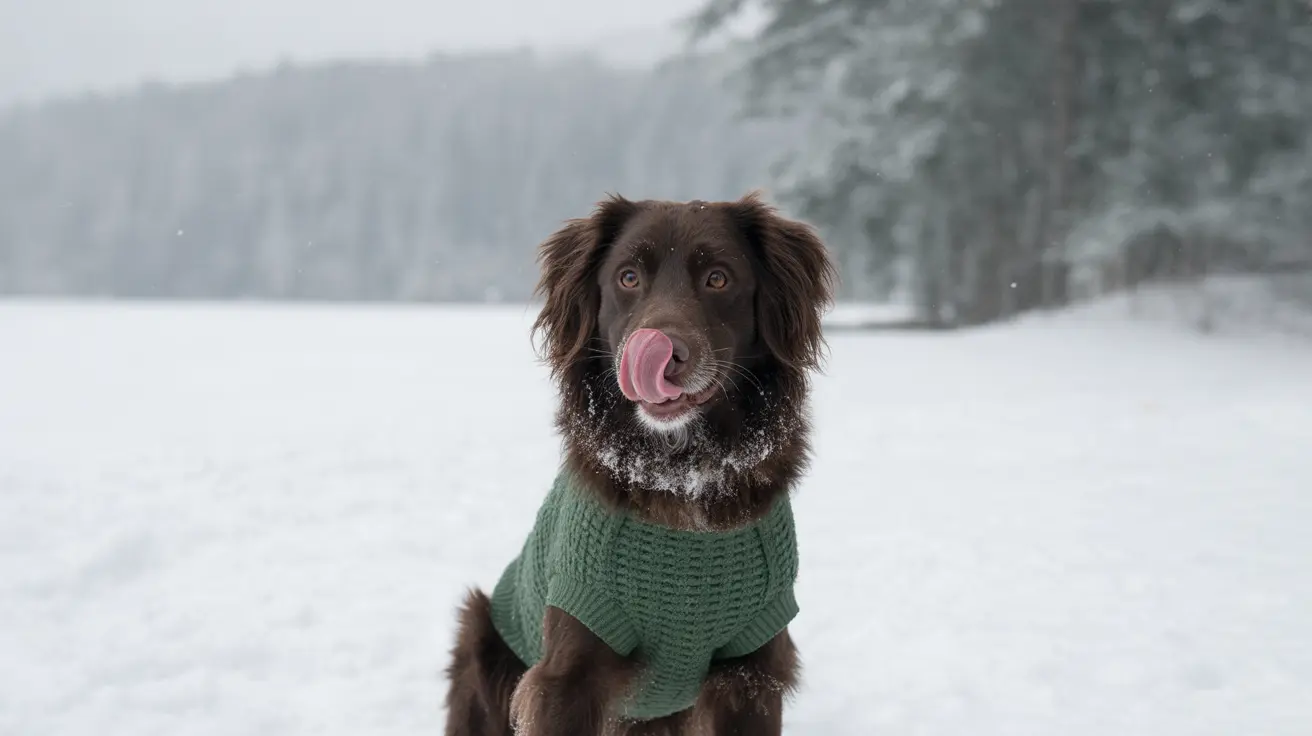
As winter weather settles across the country, pet owners must take proactive steps to ensure their furry, feathered, and four-legged family members stay safe and comfortable. Winter pet safety requires careful planning and awareness of the unique challenges that extreme temperatures, ice, snow, and harsh conditions can present to our beloved animals.
From recognizing early warning signs of cold-weather injuries to selecting appropriate protective gear, understanding winter pet safety fundamentals can mean the difference between a healthy, happy pet and a potentially life-threatening emergency. Pet owners who prepare ahead of time create safer environments for their animals while enjoying peace of mind throughout the colder months.
Understanding Cold Weather Risks for Pets
Cold temperatures affect different pets in varying ways, with factors like age, size, breed, and overall health playing crucial roles in determining vulnerability. Senior dogs in cold weather face particular challenges, as their aging bodies may struggle to regulate temperature effectively. Similarly, short-haired breeds lack the natural insulation that longer-coated animals possess.
Exposure to extreme cold can lead to serious health complications, including frostbite and hypothermia. These conditions develop when pets cannot maintain normal body temperature, potentially causing permanent damage to extremities like ears, tails, and paw pads.
Dog Frostbite Signs and Pet Hypothermia Symptoms
Recognizing the early warning signs of cold-weather injuries is essential for prompt treatment. Dog frostbite signs typically include pale or gray skin, skin that feels cold and hard to the touch, and areas that may appear red and swollen as they warm up. Affected areas often include ear tips, tail tips, and paw pads.
Pet hypothermia symptoms progress in stages, beginning with shivering, lethargy, and seeking warm places. As the condition worsens, pets may exhibit weakness, difficulty walking, slow heart rate, and shallow breathing. In severe cases, unconsciousness can occur.
Winter Dog Clothes and Protective Gear
Many pet owners wonder about the difference between a dog sweater vs jacket when selecting winter clothing. Sweaters provide basic warmth for mildly cold conditions and are ideal for short outdoor trips. Jackets offer more comprehensive protection with water-resistant materials and wind barriers, making them suitable for extended outdoor activities or harsh weather.
Dog booties for snow serve multiple purposes beyond keeping paws warm. They create a barrier against ice, snow accumulation between toes, and harmful substances like road salt and de-icing chemicals that can irritate or burn sensitive paw pads.
Protecting Paws From Salt and Winter Hazards
De-icing salt dangers pets face include chemical burns, digestive upset from licking contaminated paws, and irritation to sensitive skin. Before walks, apply pet-safe paw balm to create a protective barrier. After outings, rinse paws with warm water and dry thoroughly to remove salt residue and prevent ice formation between toes.
Winter Pet Exercise and Activity Management
Maintaining regular exercise during cold months requires adjustments to timing, duration, and safety precautions. Winter dog walking tips include choosing midday hours when temperatures peak, avoiding icy surfaces that could cause slips and falls, and shortening walk duration during extremely cold conditions.
Indoor activities become increasingly important for maintaining physical and mental health when outdoor exercise is limited. Interactive toys, puzzle feeders, and indoor training sessions help pets stay engaged and active regardless of weather conditions.
Emergency Preparedness and Safety Measures
Pet microchipping becomes especially important during winter months when snow can obscure familiar landmarks and increase the risk of pets becoming lost. Ensure microchip information remains current and consider adding reflective gear for visibility during shorter daylight hours.
Creating a pet emergency kit for winter should include extra food, water, medications, warm blankets, and first aid supplies. Keep this kit easily accessible and regularly check expiration dates on medications and food items.
Special Considerations for Different Pet Types
Floppy-eared dogs ear infections winter risks increase due to moisture retention in ear canals. Regular ear cleaning and ensuring ears stay dry after outdoor exposure helps prevent bacterial and yeast overgrowth.
Livestock winter care and farm animal cold weather management require additional considerations including adequate shelter, increased caloric intake, and fresh water access that won't freeze.
Frequently Asked Questions
How can I tell if my dog has frostbite or hypothermia in winter?
Frostbite appears as pale, gray, or blue-tinged skin that feels cold and hard, typically affecting ear tips, tails, and paw pads. Hypothermia symptoms include excessive shivering, lethargy, weakness, slow heart rate, and shallow breathing. Seek immediate veterinary care if you notice these signs.
What type of winter clothing do dogs actually need, and how do I introduce them to wearing it?
Short-haired, small, young, elderly, or sick dogs benefit most from winter clothing. Start with short indoor sessions, using positive reinforcement and treats. Choose properly fitted garments that don't restrict movement or breathing, and gradually increase wearing time.
How do I protect my dog's paws from salt, ice, and de-icing chemicals during winter walks?
Apply pet-safe paw balm before walks, consider protective booties, choose less-treated walking routes when possible, and always rinse and dry paws thoroughly after outdoor exposure. Keep towels by entrances for quick paw cleaning.
Should I be concerned about my dog getting lost in the snow, and what precautions should I take?
Snow can obscure familiar scents and landmarks, increasing disorientation risk. Ensure current identification tags and microchip information, use reflective gear for visibility, keep dogs leashed in unfamiliar snowy areas, and maintain consistent walking routes.
Do I need to change my pet's diet or feeding schedule during cold weather months?
Outdoor pets may require additional calories to maintain body heat, while indoor pets might need fewer calories if exercise decreases. Ensure constant access to fresh, unfrozen water, and consult your veterinarian about specific dietary adjustments based on your pet's activity level and living conditions.




