
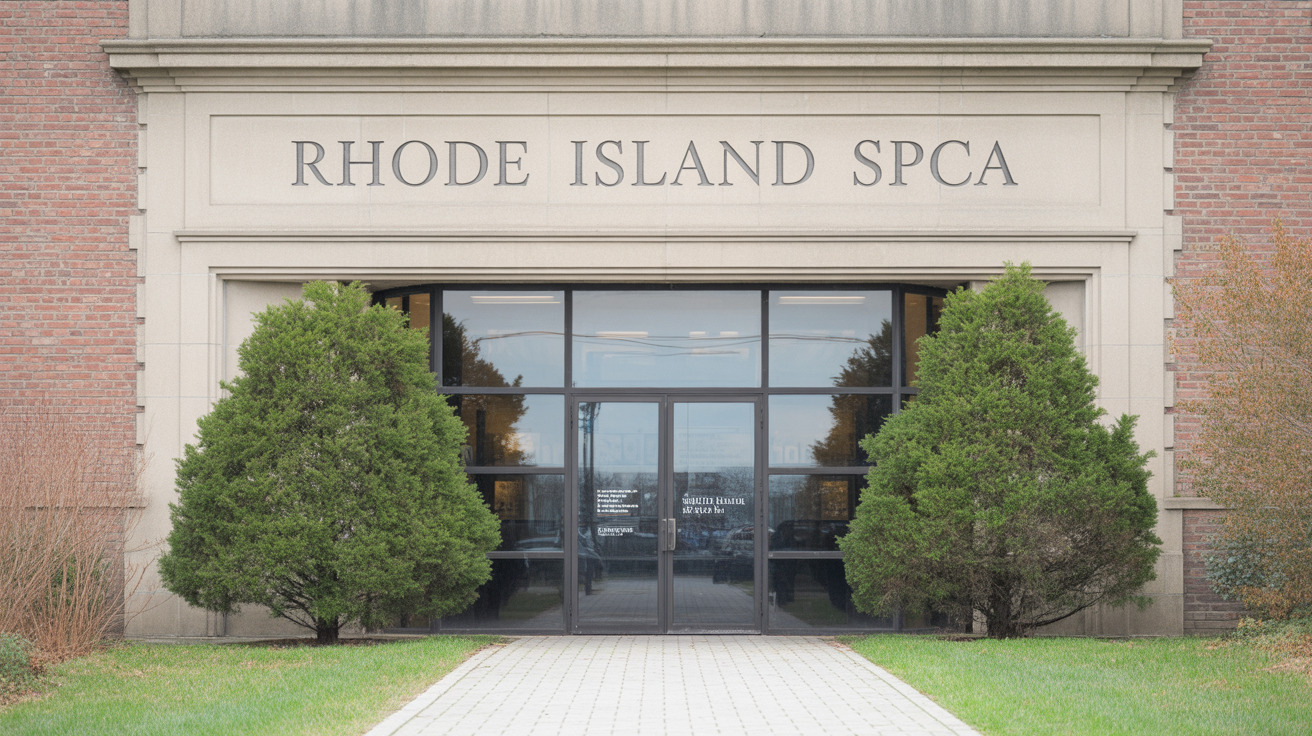
In a significant animal rescue operation, the Rhode Island Society for the Prevention of Cruelty to Animals (RISPCA) partnered with Woonsocket Animal Control to rescue as many as 100 cats from a single home in Woonsocket. This massive Woonsocket cat rescue highlights the ongoing challenges of animal hoarding and the critical role that organizations like Rhode Island SPCA cats division play in protecting vulnerable animals.
The rescue operation underscores the serious nature of cat hoarding situations, where animals often suffer from overcrowding, inadequate care, and poor living conditions. For pet parents and animal welfare advocates, this incident serves as a reminder of the importance of responsible pet ownership and the resources available when animals need immediate intervention.
Understanding Cat Hoarding and Its Impact
Cat hoarding cases like the one in Woonsocket typically involve individuals who accumulate large numbers of cats beyond their ability to provide adequate care. These situations often develop gradually, with well-intentioned people initially trying to help stray or abandoned cats but eventually becoming overwhelmed by the sheer number of animals.
The 100 cats rescued Woonsocket incident represents one of the more significant hoarding cases in Rhode Island's recent history. When animals are kept in such large numbers, they frequently face numerous health challenges including malnutrition, respiratory infections, parasites, and stress-related behavioral issues.
RISPCA Animal Rescue Response
The RISPCA animal rescue team's involvement in this case demonstrates the organization's commitment to animal welfare throughout Rhode Island. These rescue operations require extensive planning, coordination, and resources to ensure each animal receives proper medical evaluation and care.
Following large-scale rescues, organizations like RISPCA must quickly assess each animal's health status, provide necessary medical treatment, and prepare cats for eventual rehoming. This process can take weeks or months, depending on the animals' conditions and the availability of foster homes and permanent placements.
Health Concerns in Cat Hoarding Rhode Island Cases
Cat hoarding health issues are typically widespread in situations like the Woonsocket rescue. Cats living in overcrowded, unsanitary conditions commonly develop upper respiratory infections, skin conditions, and parasitic infestations. Many rescued cats also require immediate spay neuter rescued cats procedures to prevent future overpopulation.
Behavioral rehabilitation is equally important, as cats from hoarding situations may be fearful of human contact, poorly socialized, or exhibit stress-related behaviors. Professional animal care teams work patiently to help these cats adjust to normal interactions and prepare them for life in loving homes.
Supporting Rhode Island Cat Shelters
The Woonsocket animal control operation highlights the vital role that local shelters and rescue organizations play in animal welfare. Rhode Island cat shelters often operate at capacity, making large-scale rescues particularly challenging from both financial and space perspectives.
Community support through RISPCA donations cats programs becomes crucial during major rescue operations. These donations help cover veterinary care, food, shelter supplies, and staff resources needed to rehabilitate rescued animals.
Prevention and Education
Cat hoarding prevention relies heavily on community awareness and early intervention. Warning signs of potential hoarding situations include strong odors, numerous cats visible around a property, and individuals who seem overwhelmed by the number of animals in their care.
Pet owners facing challenges with multiple cats should seek help early from local animal welfare organizations. Many communities offer low-cost spay and neuter programs, food assistance, and behavioral support to help prevent situations from escalating to crisis levels.
Adoption Opportunities
For those interested in adopt cats Woonsocket from this rescue operation, working with RISPCA and local shelters provides the best pathway to finding compatible pets. Many cats from hoarding situations make wonderful companions once they receive proper medical care and behavioral rehabilitation.
Orange cats adoption and other specific breed preferences can often be accommodated, as hoarding situations typically involve cats of various ages, colors, and temperaments.
Frequently Asked Questions
What happened in the Woonsocket cat rescue where up to 100 cats were saved from a home?
The Rhode Island SPCA collaborated with Woonsocket Animal Control to rescue as many as 100 cats from a single residence, representing a significant animal hoarding case that required immediate intervention to protect the animals' welfare.
How can I adopt cats from the recent Rhode Island SPCA Woonsocket hoarding rescue?
Contact RISPCA directly or check their website for information about cats available for adoption from this rescue. Each cat will receive medical evaluation and behavioral assessment before being cleared for adoption.
What are the common health issues in cats rescued from hoarding situations in Rhode Island?
Cats from hoarding situations typically suffer from respiratory infections, parasites, malnutrition, skin conditions, and stress-related behavioral issues that require professional veterinary care and rehabilitation.
Why do cat hoarding cases like the one in Woonsocket lead to animal cruelty charges?
When animals are kept in conditions that compromise their health and welfare, it can constitute animal neglect or cruelty under Rhode Island law, regardless of the owner's intentions.
How are shelters like RISPCA caring for and rehoming cats after the Woonsocket neglect incident?
RISPCA provides comprehensive medical care, behavioral rehabilitation, and careful matching with appropriate adoptive families to ensure each rescued cat has the best chance for a successful placement in a loving home.
Moving Forward
The squalid home cat rescue in Woonsocket serves as both a success story of animal welfare intervention and a sobering reminder of the ongoing need for animal protection services. Through community support, education, and organizations like RISPCA, Rhode Island continues to strengthen its commitment to animal welfare and responsible pet ownership.




