
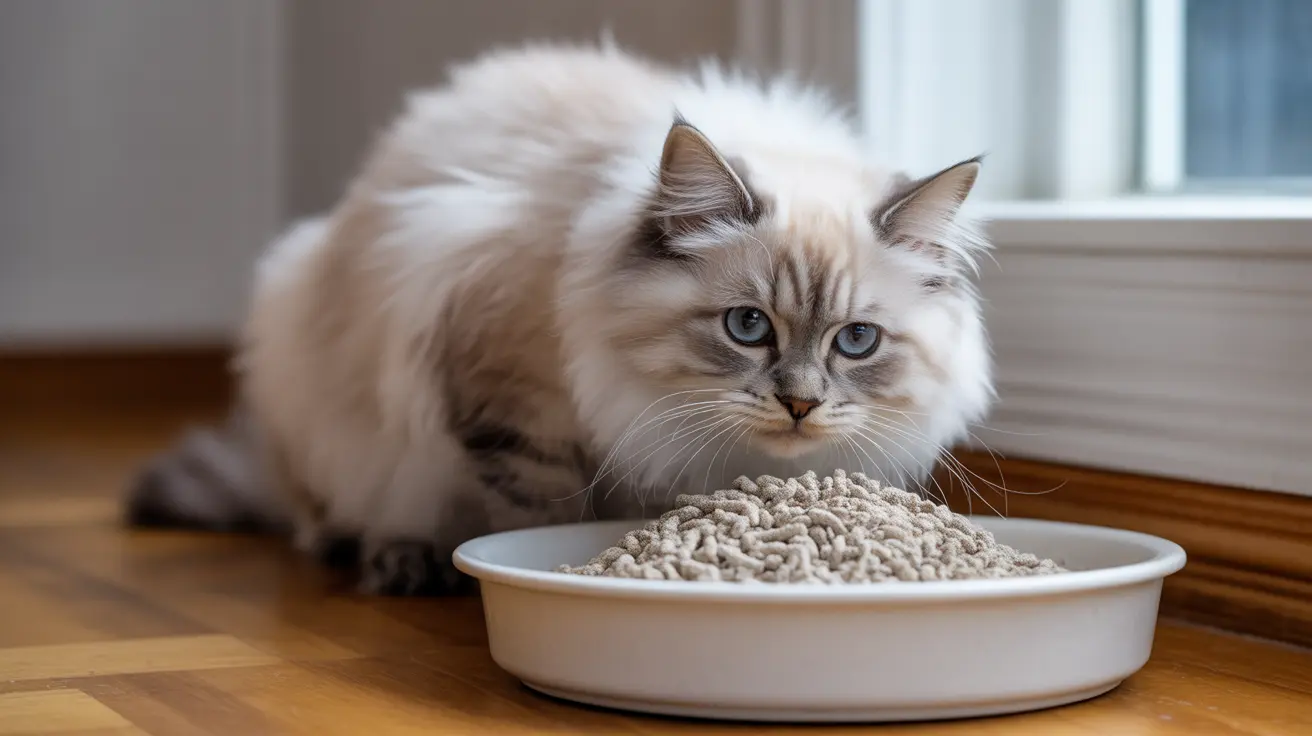
Understanding which cat litter types to avoid is the first step toward creating a safer and more comfortable environment for your feline companion. Some litters may seem effective at first—clumping quickly or masking odors—but they can hide serious drawbacks. From synthetic fragrances to non-biodegradable materials, the worst cat litters often prioritize convenience over health. In this article, we’ll explore the most problematic litter types, why they’re risky, and what alternatives can keep both your cat and your home in better shape.
Clay-Based Litters: Convenient but Controversial
Clay-based litters, especially those made from sodium bentonite, are among the most popular options on the market because they clump efficiently and are easy to scoop. However, their convenience comes at a cost. The mining process used to extract bentonite clay is environmentally destructive, stripping large areas of land and consuming significant water resources. Beyond environmental concerns, the fine dust produced by clay litter can cause respiratory irritation in both cats and humans, particularly in enclosed spaces. Cats that dig vigorously in their boxes may inhale or ingest this dust, leading to coughing, sneezing, or more serious respiratory conditions over time.
Another issue with clay litter is its lack of biodegradability. Once disposed of, it ends up in landfills where it does not break down naturally. Some brands also add artificial fragrances to mask odors, which can trigger allergies or sensitivities in cats. While clay litter might seem like a practical choice for busy owners, its long-term effects on health and the environment make it one of the least sustainable options available. Transitioning to a natural or biodegradable litter can significantly reduce these risks while still maintaining odor control and ease of cleaning.
Silica Gel Litters: Odor Control with Hidden Risks
Silica gel litters, often marketed as crystal litters, are praised for their ability to absorb moisture and control odor for extended periods. These litters are made from sodium silicate sand that has been processed into small, porous beads. While they do an excellent job of keeping the litter box dry, the downside lies in the dust they produce and the potential health hazards associated with prolonged exposure. The fine silica particles can irritate the respiratory tract, especially in kittens, senior cats, or cats with preexisting breathing issues such as asthma. Even humans cleaning the litter box may experience throat irritation or coughing after repeated exposure.
Another concern with silica gel litter is ingestion. Cats groom themselves frequently, and small silica particles can cling to their paws or fur. Over time, ingestion of these particles may cause digestive discomfort or blockages. Additionally, silica gel is not biodegradable, meaning it contributes to long-term waste accumulation. While it may seem like a low-maintenance solution, the health and environmental drawbacks make silica gel litter a poor choice for households seeking a safer, more sustainable option. Natural alternatives such as wood, corn, or paper-based litters can provide similar odor control without the same risks.
Scented and Deodorized Litters: Fragrance Overload
Many cat owners are drawn to scented litters because they promise to neutralize unpleasant odors. However, these products often rely on synthetic fragrances and chemical additives that can be harmful to cats. Felines have a much stronger sense of smell than humans, and what smells pleasant to us can be overwhelming or even distressing to them. Prolonged exposure to artificial scents can cause sneezing, watery eyes, or skin irritation. In some cases, cats may refuse to use a litter box that smells too strong, leading to accidents around the home.
Moreover, the chemicals used to create these fragrances can release volatile organic compounds (VOCs), which contribute to indoor air pollution. VOCs can exacerbate respiratory conditions and cause headaches or dizziness in sensitive individuals. Unscented litters made from natural materials are a safer alternative, as they rely on absorbent properties rather than masking odors with perfume. If odor control is a concern, regular cleaning and proper ventilation are far more effective and healthier solutions than relying on heavily scented products.
Non-Clumping and Recycled Litters: When Good Intentions Go Wrong
Non-clumping litters, often made from recycled paper or plant-based materials, are marketed as eco-friendly options. While they are biodegradable and less dusty than clay or silica varieties, they can still present challenges. Non-clumping litters absorb urine but do not form solid clumps, making it difficult to remove waste completely. This can lead to lingering odors and bacterial buildup, which may discourage your cat from using the box. Additionally, some recycled litters contain ink residues or adhesives from their original materials, which can irritate sensitive paws or skin.
Even though these litters are better for the environment, they require more frequent replacement to maintain hygiene. This can offset their eco-friendly benefits by increasing overall waste. To strike a balance, look for natural clumping litters made from renewable resources like corn, walnut shells, or tofu. These options are biodegradable, low in dust, and easier to maintain, offering both environmental and practical advantages. Choosing the right litter involves understanding your cat’s preferences as well as the product’s composition and long-term effects.
Safer and More Sustainable Alternatives
Fortunately, there are many cat litter options that prioritize both feline health and environmental responsibility. Natural litters made from renewable materials such as wood pellets, corn, wheat, or coconut husks are becoming increasingly popular. These litters are biodegradable, produce minimal dust, and often have natural odor-absorbing properties. They are also gentler on your cat’s paws and respiratory system, making them ideal for households with sensitive pets or young kittens. Some brands even offer compostable formulas, reducing landfill waste and supporting sustainable living practices.
When choosing a litter, consider your cat’s habits and sensitivities. Cats are creatures of routine, so introducing a new litter gradually can help them adjust without stress. It’s also important to maintain a consistent cleaning schedule, as even the best litter cannot compensate for neglect. By prioritizing natural ingredients, low dust levels, and environmental sustainability, you can create a healthier home for both your cat and your family. The right litter not only improves hygiene but also strengthens the bond between you and your pet by ensuring their comfort and well-being.
Choosing the right cat litter is more than a matter of convenience—it’s a decision that affects your cat’s health, your household’s air quality, and the planet’s well-being. Clay, silica, and heavily scented litters may seem effective, but their hidden drawbacks make them some of the worst choices for long-term use. By understanding the risks associated with these products and exploring natural alternatives, cat owners can make more informed, compassionate decisions. A cleaner, safer litter box benefits everyone in the home, ensuring that your feline companion remains healthy, happy, and stress-free.
Ultimately, the best litter is one that balances cleanliness, comfort, and sustainability. With so many eco-friendly and health-conscious options available today, there’s no reason to settle for products that compromise your cat’s well-being. A thoughtful choice today can lead to a healthier, more harmonious home tomorrow.
FAQ
Why is clay cat litter considered harmful?
Clay cat litter, particularly the clumping variety made from sodium bentonite, poses several risks. The fine dust it produces can irritate the respiratory systems of both cats and humans, especially in poorly ventilated spaces. Additionally, the mining process used to obtain bentonite clay is environmentally damaging, stripping land and consuming large amounts of water. Once discarded, clay litter does not biodegrade, contributing to landfill waste. While it’s convenient and affordable, the long-term health and ecological costs make it a less desirable option compared to natural alternatives.
Are silica gel litters safe for cats?
Silica gel litters are marketed for their superior odor control and moisture absorption, but they come with hidden dangers. The tiny silica particles can irritate the respiratory tract and may cause coughing or sneezing in sensitive cats. If ingested during grooming, these particles can also lead to digestive discomfort. Moreover, silica gel is not biodegradable, making it an unsustainable choice. For households seeking a safer option, biodegradable litters made from wood, corn, or paper provide similar benefits without the health or environmental drawbacks.
Do scented cat litters harm cats?
Yes, scented cat litters can be harmful because they contain artificial fragrances and chemicals that irritate a cat’s sensitive nose. Cats have a much stronger sense of smell than humans, and strong scents can overwhelm them, leading to litter box avoidance. The volatile organic compounds (VOCs) released by these fragrances can also cause respiratory irritation or allergic reactions. Opting for unscented, natural litters and maintaining a regular cleaning routine is a safer and more effective way to control odors without exposing your cat to unnecessary chemicals.
What are the environmental impacts of traditional cat litters?
Traditional cat litters, especially those made from clay or silica, have significant environmental consequences. Clay mining destroys habitats and consumes large amounts of water, while silica production generates non-biodegradable waste. Once used, these litters end up in landfills, where they persist indefinitely. In contrast, biodegradable litters made from renewable materials like corn, wood, or recycled paper decompose naturally and have a much smaller ecological footprint. Choosing eco-friendly litter helps reduce waste and supports sustainable resource use.
Can non-clumping litter cause hygiene problems?
Non-clumping litter can make it harder to maintain a clean litter box because it absorbs urine without forming solid clumps. This means waste cannot be fully removed, leading to lingering odors and bacterial growth. Over time, this can discourage your cat from using the box. While non-clumping litters are often biodegradable and low in dust, they require more frequent replacement to stay sanitary. If you prefer a natural option, look for biodegradable clumping litters that combine easy maintenance with environmental benefits.
What are the best natural alternatives to traditional cat litter?
Natural alternatives include litters made from wood pellets, corn, wheat, walnut shells, or coconut husks. These materials are biodegradable, low in dust, and naturally absorbent. They also tend to be gentler on cats’ paws and respiratory systems. Some natural litters are even compostable, making them an excellent choice for eco-conscious pet owners. When switching to a new litter, introduce it gradually to help your cat adjust comfortably. Natural litters provide effective odor control without the harmful chemicals found in many commercial products.
How can I reduce litter box odors without using scented products?
Odor control starts with proper maintenance rather than artificial fragrances. Scoop the litter box daily, replace the litter regularly, and wash the box with mild soap and water at least once a week. Good ventilation also helps prevent odors from accumulating. Using a high-quality, unscented, natural litter with strong absorbent properties can further minimize smells. You can also place an air purifier near the litter area or use baking soda sparingly to neutralize odors naturally without overwhelming your cat’s senses.
Are biodegradable litters more expensive?
Biodegradable litters can be slightly more expensive upfront than traditional clay or silica options, but they often last longer and provide better overall value. Their superior absorbency means you may use less over time, and their natural composition reduces the need for added deodorizers. Additionally, the environmental benefits—such as reduced landfill waste and sustainable sourcing—make them a worthwhile investment. Many cat owners find that the improved air quality and reduced dust justify the modest price difference.
Can switching litter types stress my cat?
Cats are creatures of habit, and sudden changes to their litter can cause stress or confusion. To minimize disruption, introduce the new litter gradually by mixing it with the old one over several days. Observe your cat’s behavior during the transition—if they seem hesitant, slow the process down. Providing a clean, quiet litter area and maintaining consistency in box placement will help your cat adapt more easily. Patience and gradual adjustment are key to a successful switch.
How often should I replace cat litter completely?
The frequency of litter replacement depends on the type of litter and the number of cats in your household. Clumping litters typically require a full change every two to three weeks, while non-clumping varieties may need replacement every few days. Biodegradable litters can vary, but regular scooping and monitoring for odor or moisture buildup are essential. Keeping the litter box clean not only prevents unpleasant smells but also encourages consistent use, promoting better hygiene and comfort for your cat.




