
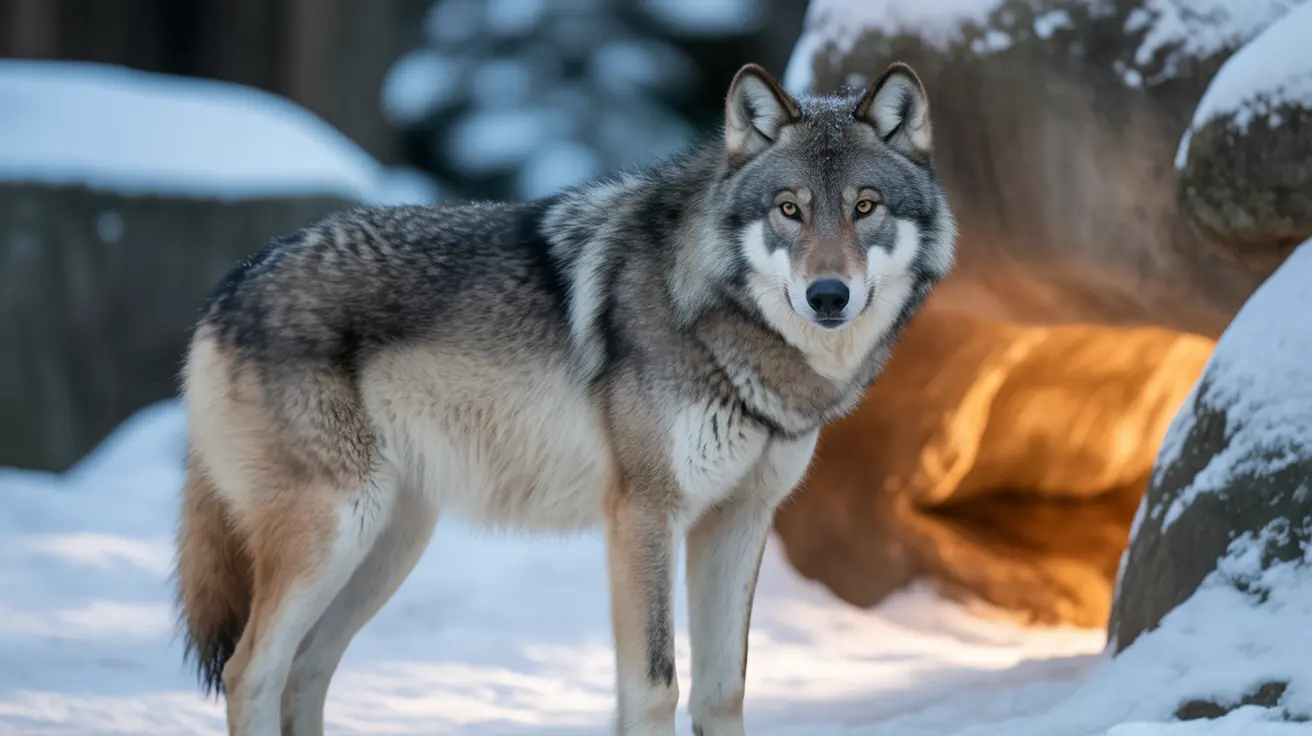
Essential Winter Protection Equipment for Zoo Animals
Radiant heaters for zoo animals serve as a cornerstone of winter protection at Beardsley Zoo. These specialized heating devices provide consistent warmth without creating fire hazards or consuming excessive energy. Unlike traditional heating methods, radiant systems deliver targeted warmth directly to animals' resting areas, allowing them to regulate their body temperature naturally.
Frost-free drinkers zoos utilize represent another critical component of winter care. These water systems prevent freezing even in sub-zero temperatures, ensuring animals maintain proper hydration throughout harsh weather periods. Dehydration poses serious health risks during winter months, making reliable water access essential for animal welfare.
Species-Specific Zoo Winter Care Adaptations
Different animal species require tailored approaches to winter protection. Tigers cold weather zoo management involves providing heated rocks and sheltered areas where these large cats can maintain their preferred body temperature. Despite their thick fur coats, tigers benefit from supplemental heating during extreme cold snaps.
Red pandas winter zoo care requires special attention since these animals naturally inhabit mountainous regions with cold climates. However, captive red pandas still benefit from windbreaks and heated shelters that allow them to thermoregulate effectively while maintaining their natural behaviors.
Extra Bedding Zoo Enclosures Strategy
Extra bedding zoo enclosures receive during winter months provides crucial insulation against frozen ground and cold surfaces. Zoo staff carefully selects bedding materials that offer maximum warmth retention while remaining safe if animals choose to ingest small amounts. Straw, specialized animal blankets, and natural fiber materials create comfortable microclimates within enclosures.
Zoo Reptiles Winter Heating Requirements
Zoo reptiles winter heating demands particularly sophisticated systems since these cold-blooded animals cannot generate their own body heat. Reptile habitats require precise temperature control using under-tank heaters, basking lamps, and ambient temperature regulation. Staff monitor temperatures continuously to prevent dangerous fluctuations that could stress or harm reptilian residents.
Zoo Animal Winter Nutrition Adjustments
Zoo animal winter nutrition often requires adjustments to help animals maintain energy levels needed for thermoregulation. Many species receive increased caloric intake during cold months, with diets enriched in healthy fats that provide sustained energy for warmth generation. This principle applies to pet owners as well—animals expending energy to stay warm need additional nutritional support.
Animal Enrichment Winter Zoos Programs
Animal enrichment winter zoos provide becomes especially important when animals spend more time in heated indoor areas. Staff create engaging activities that encourage natural behaviors while animals remain in climate-controlled environments. These enrichment programs prevent boredom and stress that can develop when animals have limited outdoor access during severe weather.
Cold Weather Zoo Adaptations Success
Cold weather zoo adaptations at Beardsley Zoo follow AZA zoo winter guidelines that establish industry standards for animal care during extreme weather. These comprehensive protocols ensure consistent, high-quality care regardless of external conditions, providing a model for animal care facilities worldwide.
Frequently Asked Questions
How do zoos keep animals warm during winter cold snaps?
Zoos utilize multiple protection methods including radiant heaters, frost-free water systems, extra bedding, heated rocks, and species-specific shelter modifications. Staff monitor weather forecasts closely and implement additional protection measures before temperatures drop to dangerous levels.
What winter protections do zoos use for tropical animals like tigers and red pandas?
Tropical animals receive heated indoor areas, radiant warming systems, windbreaks, and modified diets with increased caloric content. Tigers benefit from heated rocks and sheltered areas, while red pandas receive windbreaks and heated shelters that accommodate their natural cold-weather adaptations.
Do zoo animals from warm climates get extra bedding or heaters in cold weather?
Yes, animals from warm climates receive additional bedding materials for insulation and various heating systems including radiant heaters, heated rocks, and climate-controlled indoor areas. The specific protection depends on each species' natural habitat requirements and cold tolerance levels.
Conclusion
Professional zoo animals winter care at facilities like Beardsley Zoo demonstrates the comprehensive planning required to protect animals during extreme weather. These strategies—from radiant heating systems to frost-free water access—offer valuable lessons for pet owners facing similar winter challenges.
Understanding these professional approaches helps pet parents appreciate the complexity of proper winter animal care while providing practical insights for protecting their own animals during cold weather events.




