
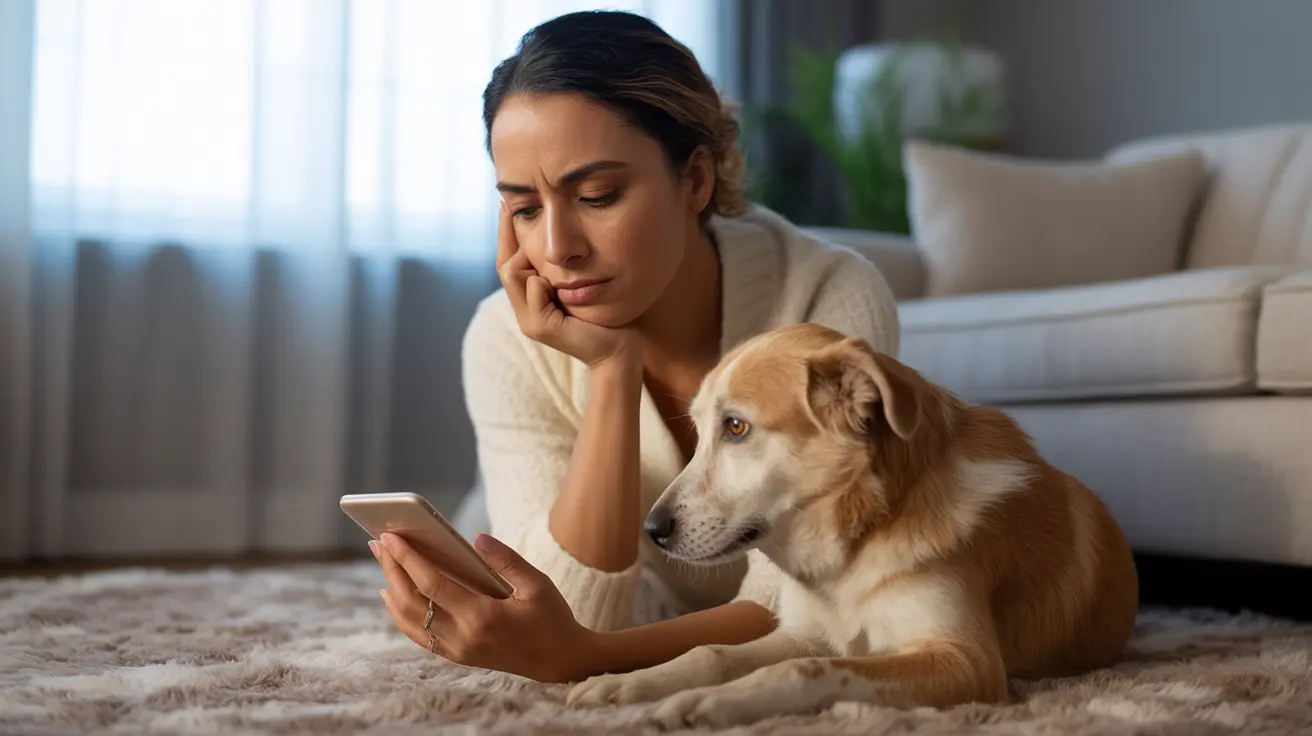
Pet owners in Central Florida are facing a disturbing new threat as scammers deploy sophisticated AI technology to exploit the emotional vulnerability of families with missing animals. Edgewater Police have issued an urgent warning to Volusia County residents about criminals using AI-generated images of injured pets to manipulate distraught owners into making emergency payments.
This emerging AI-generated pet scam represents a particularly cruel evolution of fraud tactics, preying on pet parents' deepest fears and love for their companion animals. The sophisticated nature of these scams makes them increasingly difficult to detect, requiring pet owners to stay vigilant and informed about these deceptive practices.
How the AI Pet Fraud Works
The scam typically begins when criminals identify families who have posted about missing pets on social media platforms or lost pet websites. Using publicly available photos of the lost animal, scammers employ artificial intelligence technology to create realistic but fake images showing the pet in distressing situations or appearing injured.
These AI-generated images are then used to contact grieving pet owners, with scammers claiming to have found the missing animal but demanding immediate payment for veterinary care or other emergency expenses. The emotional manipulation is particularly effective because the fabricated images appear authentic and tap into pet parents' worst fears about their beloved companion's wellbeing.
Recognizing Red Flags in Pet Emergency Payment Scams
Several warning signs can help pet owners identify potential AI deepfake pet fraud attempts. Legitimate individuals who find lost pets typically contact owners through official channels and don't demand immediate payment before reuniting families with their animals.
Scammers often create artificial urgency by claiming the pet requires immediate medical attention and payment must be sent quickly through untraceable methods like gift cards or wire transfers. They may also refuse to speak on the phone, provide vague location details, or become evasive when asked specific questions about the pet's condition or whereabouts.
Lost Pet Posting Safety Measures
While sharing information about missing pets on social media and community boards is important for recovery efforts, pet owners should take precautions to protect themselves from scammers. Avoid posting high-resolution photos that could be easily manipulated, and consider watermarking images with contact information.
When creating lost pet alerts, limit personal information shared publicly and use privacy settings appropriately. Consider working with established pet recovery organizations and local animal shelters rather than relying solely on social media posts that can be easily monitored by criminals.
The Importance of Pet Microchipping Benefits
Microchipping provides a reliable method for pet identification that cannot be replicated or faked through AI technology. This permanent form of identification helps legitimate finders connect lost pets with their families through official veterinary and shelter networks, bypassing the channels that scammers typically exploit.
Regular updates to microchip registration information ensure that pet recovery can happen quickly and safely through verified channels, reducing the window of opportunity for fraudsters to target vulnerable pet families.
AI Fraud Detection and Prevention Strategies
Pet owners can protect themselves by learning to identify signs of AI-generated content and maintaining healthy skepticism when contacted about missing animals. Always verify claims through multiple sources and trust official channels like veterinary clinics, animal shelters, and police departments.
Consider using reverse image search tools if you receive suspicious photos, and never send money or personal information before physically reuniting with your pet. Legitimate good Samaritans understand the need for verification and won't pressure you into immediate payment decisions.
Frequently Asked Questions
How can I tell if a photo of my pet is AI-generated or real?
AI-generated images may show subtle inconsistencies in lighting, shadows, or anatomical details. Look for unnatural elements, check if the background matches the claimed location, and use reverse image search tools to verify photo authenticity.
What should I do if someone contacts me claiming to have my missing pet and asks for emergency payment?
Never send money immediately. Ask to speak by phone, request a video call showing your pet, and insist on meeting at a neutral public location like a veterinary clinic. Contact local police if the person refuses reasonable verification requests.
What are the red flags I should watch for in messages about my lost or injured pet?
Be suspicious of demands for immediate payment, refusal to speak by phone, requests for payment through gift cards or wire transfers, vague location details, and artificial urgency about medical expenses. Legitimate finders typically work through official channels.
How can I protect my pet from being targeted in scams while posting lost pet alerts online?
Use watermarked photos, limit high-resolution images, avoid sharing excessive personal details, and work with established pet recovery organizations. Consider using privacy settings and focus on official channels like shelters and veterinary networks for recovery efforts.




