
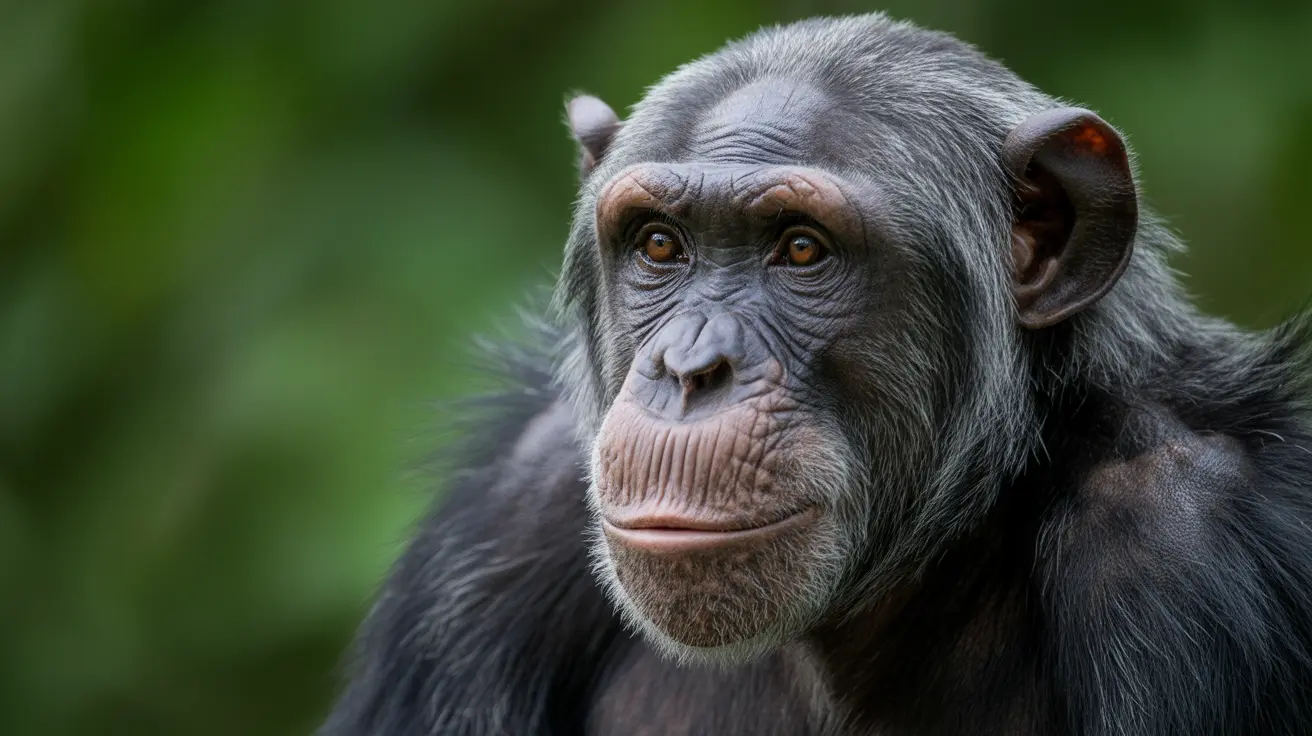
The question of whether animals truly think and feel has captivated pet owners and scientists alike for centuries. Dr. Mike Dacey's recent analysis highlights the fascinating challenges researchers face when studying animal cognition and emotions, offering hope for breakthrough discoveries that could revolutionize how we understand our beloved pets. As we delve deeper into the cognitive and emotional lives of animals, new research methods are painting an increasingly complex picture of animal consciousness.
For pet parents, understanding animal cognition isn't just academic curiosity—it's about forming deeper bonds with their companions and providing better care. The growing body of research suggests that many animals, from household pets to wildlife, possess sophisticated mental abilities that were once thought to be uniquely human.
The Science Behind Animal Emotions Research
Modern animal emotions research has evolved far beyond simple observation. Scientists now employ advanced technologies including brain imaging, behavioral analysis, and carefully designed experiments to peer into the minds of various species. Dr. Dacey's holistic approach acknowledges both the limitations and possibilities of current research methods.
The challenge lies in bridging the communication gap between humans and animals. Unlike human subjects who can verbally report their experiences, animals must demonstrate their cognitive abilities through behavior and physiological responses. This has led researchers to develop innovative testing protocols that can reveal complex mental processes without relying on language.
Do Animals Have Emotions Like Humans?
The question "do animals have emotions" has shifted from whether they feel to understanding how they experience different emotional states. Research indicates that many animals display behaviors consistent with emotions such as joy, grief, fear, and even empathy. Pet owners often observe these emotional displays in their daily interactions with their companions.
Dog emotions research has been particularly revealing, showing that canines possess emotional processing centers in their brains similar to humans. Studies using brain scans have demonstrated that dogs experience genuine emotional responses, not just conditioned behaviors, when interacting with their human families.
Pet Intelligence Studies: Beyond Basic Training
Pet intelligence studies reveal that our animal companions are capable of far more complex thinking than previously imagined. From problem-solving to memory retention, pets demonstrate cognitive abilities that continue to surprise researchers. These findings have important implications for how we train, socialize, and care for our animals.
The research extends beyond domestic animals to include fascinating discoveries about wild species. Chimpanzee theory of mind studies show that our closest relatives can understand others' mental states, while octopus intelligence research reveals problem-solving abilities that rival those of vertebrates despite completely different evolutionary paths.
Advanced Cognitive Abilities in Animals
Some of the most remarkable discoveries involve sophisticated cognitive abilities once thought to be exclusively human. Corvid planning future behaviors demonstrate that some birds can think ahead and prepare for future events. The mirror self-recognition test has revealed self-awareness in species ranging from great apes to dolphins, suggesting a level of consciousness that demands our respect and consideration.
These findings are culminating in significant scientific developments, including the animal consciousness declaration by prominent researchers who argue that many animals possess conscious awareness similar to humans.
Modern Research Methods and Technology
Contemporary animal behavior research benefits from cutting-edge technology. Dog facial expression processing studies use advanced imaging to decode canine emotions, while AI animal behavior analysis helps researchers identify patterns that might be missed by human observers alone.
Animal grief behaviors have been documented across numerous species, providing evidence for complex emotional lives. These observations are supported by neurological studies that show similar brain activation patterns between humans and animals during emotional experiences.
Implications for Pet Care
Understanding animal cognition has practical benefits for pet owners. Recognizing that pets have rich emotional and cognitive lives can improve training methods, environmental enrichment, and overall welfare. Pet cognition science suggests that animals benefit from mental stimulation, social interaction, and environments that allow them to express natural behaviors.
The research also warns against anthropomorphism in pets—attributing human characteristics to animals inappropriately. While animals do have emotions and cognitive abilities, understanding their unique perspectives is crucial for proper care.
Frequently Asked Questions
Do dogs really understand human emotions like facial expressions?
Research shows that dogs can indeed process human facial expressions and respond appropriately to different emotional states. Brain imaging studies reveal that dogs have specialized neural pathways for interpreting human emotions, making them remarkably attuned to their owners' feelings.
Can my pet bird or parrot show self-awareness like chimpanzees?
Some bird species, particularly corvids and larger parrots, have demonstrated self-awareness in various tests. While not all pet birds will show this level of consciousness, many display problem-solving abilities and social awareness that indicate complex cognitive processing.
Why is it hard for scientists to tell if animals feel grief or joy?
The main challenge is that animals cannot verbally communicate their internal experiences. Scientists must rely on behavioral observations, physiological measurements, and brain activity patterns to infer emotional states, making definitive conclusions about animal emotions methodologically complex.
How do researchers use brain scans to study dog emotions?
Researchers train dogs to remain still during MRI scans while exposing them to various stimuli. These studies show brain activation patterns similar to humans when dogs experience emotions, providing neurological evidence for genuine emotional experiences rather than just learned responses.
Conclusion
As Dr. Dacey's analysis suggests, the future of animal cognition research holds tremendous promise. While we may never fully know exactly what animals think and feel, advancing technology and refined research methods are bringing us closer to understanding the rich inner lives of our animal companions.
For pet owners, this research reinforces the importance of treating animals with respect and providing environments that acknowledge their cognitive and emotional needs. As science continues to unveil the depths of animal consciousness, our relationships with pets can become even more meaningful and rewarding.




