
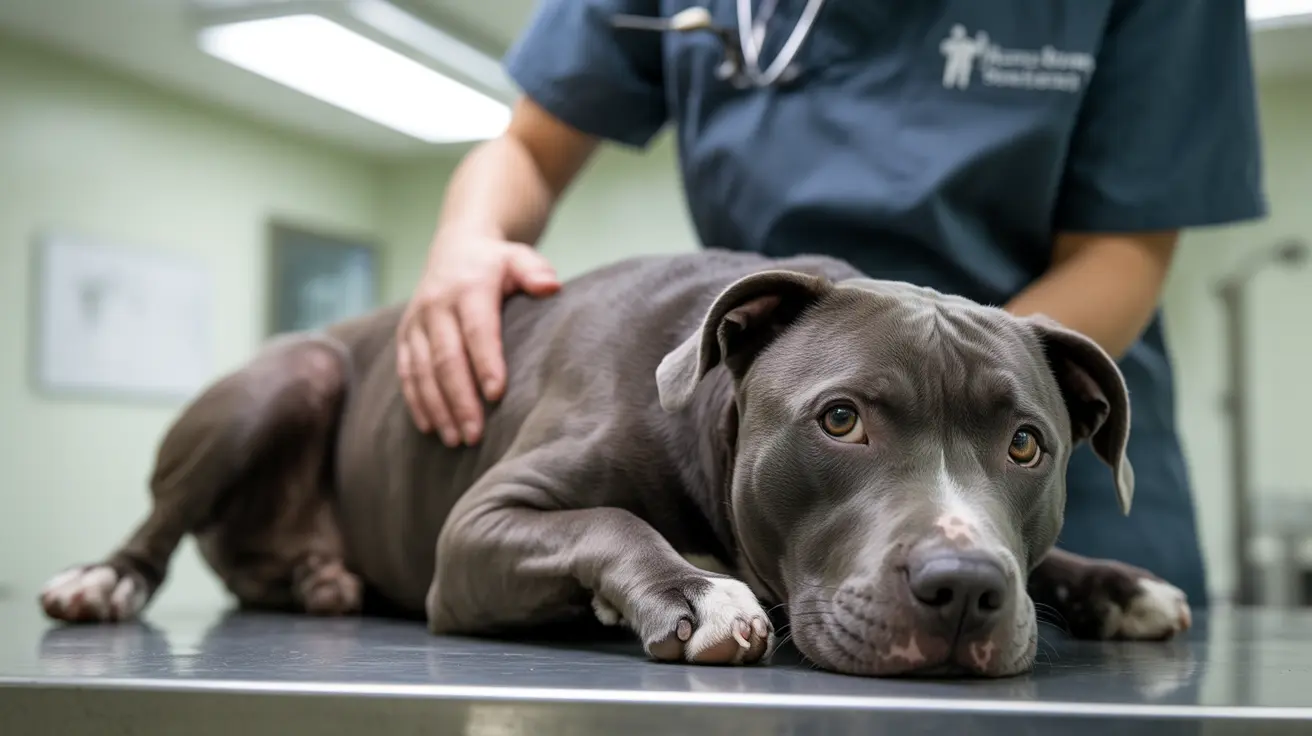
A recent animal cruelty Colorado case has brought significant attention to the ongoing issues of companion animal abuse in the state. Law enforcement in Erie, a town north of Denver, arrested two individuals and seized 18 dogs following a thorough animal cruelty investigation. This case highlights the critical importance of community vigilance and proper reporting channels when suspected animal mistreatment occurs.
The incident underscores how animal control investigation processes work to protect vulnerable pets and hold perpetrators accountable under Colorado animal cruelty laws. For pet owners and community members, understanding the warning signs of neglect and knowing how to respond can make the difference between life and death for animals in distress.
Understanding Animal Neglect Signs and Community Responsibility
While specific details about the Erie case remain limited, animal welfare enforcement Colorado officials emphasize that community reporting plays a vital role in protecting animals. Pet owners and neighbors should be aware of common indicators that may signal a need for intervention.
Visible signs of neglect often include animals that appear malnourished, lack adequate shelter, show signs of untreated injuries, or display behavioral changes indicating distress. Dogs left outdoors in extreme weather without proper protection, animals with visible wounds or parasites, and pets showing signs of dehydration or starvation all warrant immediate attention.
The Animal Protection Bureau Colorado and local authorities rely heavily on concerned citizens to report suspected cases. Many animal cruelty investigations begin with calls from neighbors, delivery personnel, or other community members who notice concerning conditions.
Colorado Animal Cruelty Laws and Legal Framework
Colorado maintains comprehensive legislation addressing companion animal abuse. The state's legal framework defines animal cruelty as knowingly, recklessly, or with criminal negligence causing unnecessary suffering, pain, or death to an animal. This includes both active abuse and passive neglect.
Under Colorado animal cruelty charges, offenses can range from misdemeanors to felonies depending on the severity and circumstances. First-time offenders may face class 1 misdemeanor charges, while repeat offenders or those involved in particularly severe cases can be charged with class 6 felonies.
Cruelty to animals penalties in Colorado include potential jail time, fines, community service, and mandatory psychological evaluation. Courts may also impose restitution for veterinary care and prohibit future animal ownership.
The Dog Seizure Animal Control Process
When authorities conduct a dog seizure animal control operation, they follow established protocols to ensure both animal safety and legal compliance. The process typically begins with an investigation triggered by reports of suspected abuse or neglect.
Animal control officers work with law enforcement to assess the situation, document evidence, and determine whether immediate intervention is necessary. If conditions warrant seizure, animals are removed to safe facilities where they receive veterinary evaluation and care.
During malnourished dog rescue operations, veterinarians assess each animal's condition and develop treatment plans. This may include medical care, behavioral rehabilitation, and preparation for eventual adoption into loving homes.
How to Report Animal Abuse and Support Prevention Efforts
Knowing how to report animal abuse effectively can save lives. Colorado residents should contact local animal control services, law enforcement, or the state's animal protection hotline when they witness or suspect cruelty.
When reporting suspected dog neglect reporting cases, provide as much detail as possible including the exact location, description of conditions, and any photographic evidence if safely obtainable. Document dates and times of observations to help investigators build a comprehensive case.
Prevention efforts also include supporting local animal welfare organizations, advocating for stronger enforcement of existing laws, and educating others about responsible pet ownership. Community awareness programs help identify problems before they escalate to crisis levels.
Frequently Asked Questions
What are the signs of animal neglect and cruelty I should report to authorities?
Key warning signs include animals appearing malnourished or dehydrated, lack of adequate shelter or protection from weather, visible injuries or illness without veterinary care, animals left in dangerous conditions, and behavioral indicators such as excessive fearfulness or aggression. Any situation where an animal's basic needs for food, water, shelter, or medical care appear unmet should be reported.
What happens to dogs seized by animal control during a cruelty investigation in Colorado?
Seized animals are typically taken to animal control facilities or partner shelters where they receive immediate veterinary evaluation and care. Treatment may include medical intervention, nutritional rehabilitation, and behavioral assessment. Once legal proceedings are complete and animals are cleared for adoption, they may be placed in new homes through adoption programs.
What are the criminal penalties for animal cruelty and neglect in Colorado?
Colorado animal cruelty penalties vary based on the severity of the offense. Misdemeanor charges can result in up to 18 months in jail and fines up to $5,000. Felony charges may carry 1-3 years imprisonment and higher fines. Additional consequences may include probation, community service, mandatory counseling, restitution for animal care costs, and prohibition from future animal ownership.
Protecting Colorado's Companion Animals
The Erie animal cruelty Colorado case serves as a reminder that protecting animals requires community involvement and strong enforcement of existing laws. By staying vigilant, reporting suspected abuse, and supporting animal welfare initiatives, Colorado residents can help prevent suffering and ensure that companion animals receive the care and protection they deserve.
Every report of suspected cruelty has the potential to save lives and hold abusers accountable. When communities work together with law enforcement and animal protection agencies, they create a stronger safety net for vulnerable animals throughout the state.




