
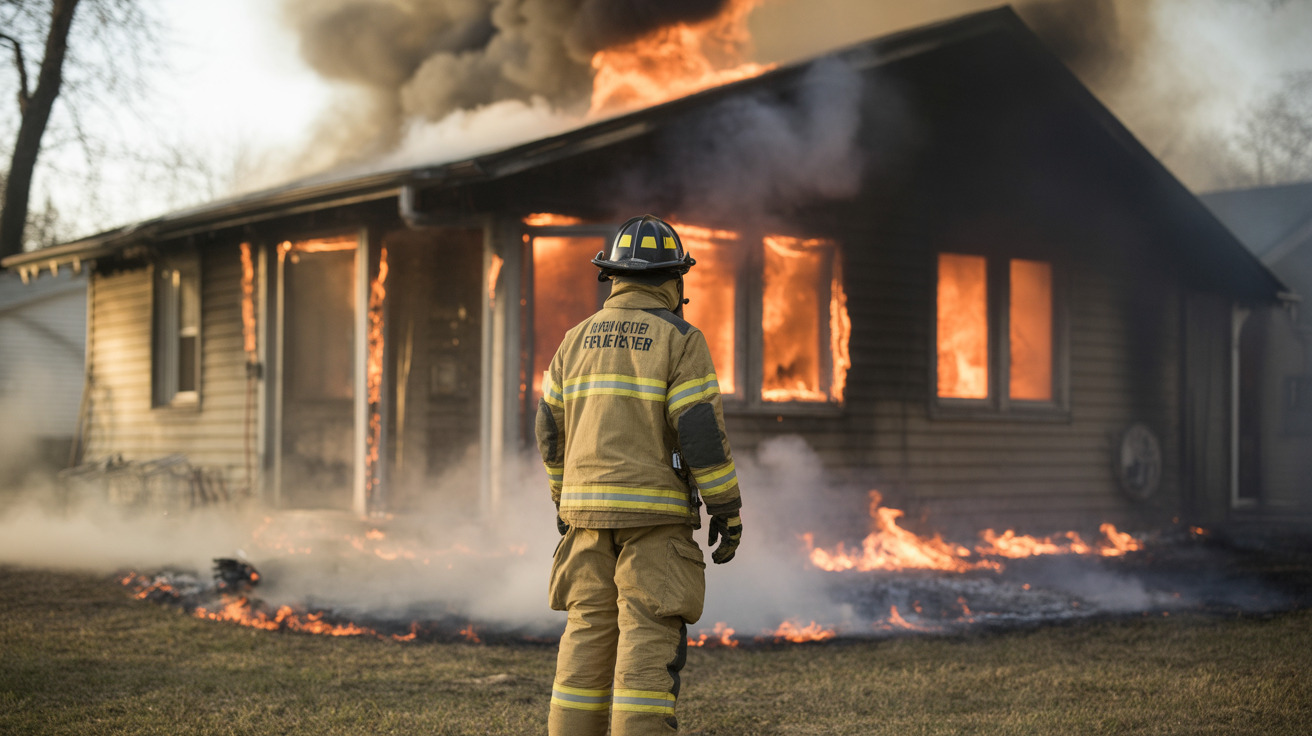
A devastating fire at a hoarder house near McHenry has left several cats, birds, and other animals unaccounted for, highlighting the serious fire risks associated with animal hoarding situations. The blaze occurred Sunday afternoon in what authorities described as a hoarding environment, causing significant damage to the property and raising urgent concerns about pet welfare in such conditions.
This tragic incident underscores why animal hoarding poses extreme dangers not only to the animals themselves but also creates life-threatening situations that challenge first responders and put entire communities at risk. Pet owners and animal welfare advocates must understand the warning signs and prevention strategies to protect vulnerable animals from such devastating outcomes.
Fire Risks in Hoarder Homes Create Deadly Situations
Hoarding situations dramatically increase fire hazards through multiple pathways that endanger both human and animal lives. Excessive clutter creates maze-like conditions that block escape routes, while accumulated materials often include highly flammable items that accelerate fire spread. In animal hoarding cases, the risks multiply as pet waste, food debris, and nesting materials create additional fire fuel.
The combination of blocked exits, compromised electrical systems from overloaded circuits, and difficulty accessing fire suppression equipment makes hoarder homes particularly vulnerable to catastrophic fires. When animals are involved, their natural hiding behaviors during emergencies often lead them to seek shelter in the most dangerous areas of a burning structure.
Firefighter Challenges in Hoarding Fire Emergencies
First responders face unique obstacles when battling fires in hoarding environments, as the Sunday McHenry incident demonstrates. Narrow pathways created by accumulated possessions prevent firefighters from moving quickly through structures, delaying rescue efforts for trapped animals. Heavy debris loads can also cause structural collapse without warning, creating additional safety hazards.
The search and rescue process becomes exponentially more complex when multiple animals of different species are involved. Cats naturally hide in small spaces during emergencies, while birds may panic and become difficult to locate. Other small animals can disappear into clutter piles, making comprehensive searches extremely time-consuming and dangerous for rescue teams.
Animal Welfare Concerns in Hoarding Cases
Animal hoarding situations often involve pets living in substandard conditions even before emergencies occur. Poor ventilation, inadequate sanitation, and overcrowding compromise animal health and their ability to survive crisis situations. When fires break out, these already-vulnerable animals face additional challenges escaping due to potential health issues or unfamiliarity with normal evacuation routes.
The psychological stress experienced by animals in hoarding environments can also impact their survival instincts during emergencies. Animals may become disoriented or too frightened to respond to rescue attempts, leading to tragic outcomes like those suspected in the Nunda Township incident.
Prevention and Intervention Strategies
Pet owners can take proactive steps to prevent animal hoarding situations from developing in their communities. Early intervention includes recognizing warning signs such as excessive pet accumulation, declining property maintenance, social isolation, and defensive behavior regarding animal care practices. Community members should report suspected hoarding cases to local animal control authorities.
For current pet owners, maintaining reasonable numbers of animals that can be properly cared for, ensuring clear evacuation routes, and developing emergency preparedness plans significantly reduce fire risks. Regular property maintenance, functional smoke detectors, and accessible fire extinguishers provide additional protection layers.
Frequently Asked Questions
What are the fire risks in animal hoarder homes?
Fire risks in hoarding environments include blocked escape routes, electrical hazards from overloaded circuits, highly flammable accumulated materials, and compromised access for firefighters. Animal waste and debris create additional combustible materials that accelerate fire spread.
Why do hoarding situations make it hard for firefighters to save pets?
Hoarding creates narrow pathways that slow firefighter movement, increases structural collapse risks, and makes locating hidden animals extremely difficult. The complex layout of cluttered spaces prevents efficient search and rescue operations during critical time periods.
How can pet owners prevent animal hoarding and protect their animals from fires?
Prevention includes maintaining reasonable pet numbers, keeping clear evacuation routes, installing working smoke detectors, developing emergency plans, and seeking help when feeling overwhelmed by pet care responsibilities. Regular property maintenance and community awareness also provide important protection.
Moving Forward After Tragedy
The McHenry area fire serves as a sobering reminder that animal hoarding creates preventable tragedies affecting entire communities. While the full extent of animal losses remains unknown, this incident highlights the urgent need for increased awareness, early intervention programs, and support systems for individuals struggling with hoarding behaviors.
Pet owners throughout Illinois and beyond can honor the animals affected by this tragedy by taking proactive steps to ensure their own pets' safety and by supporting local animal welfare organizations working to prevent similar incidents in the future.




