
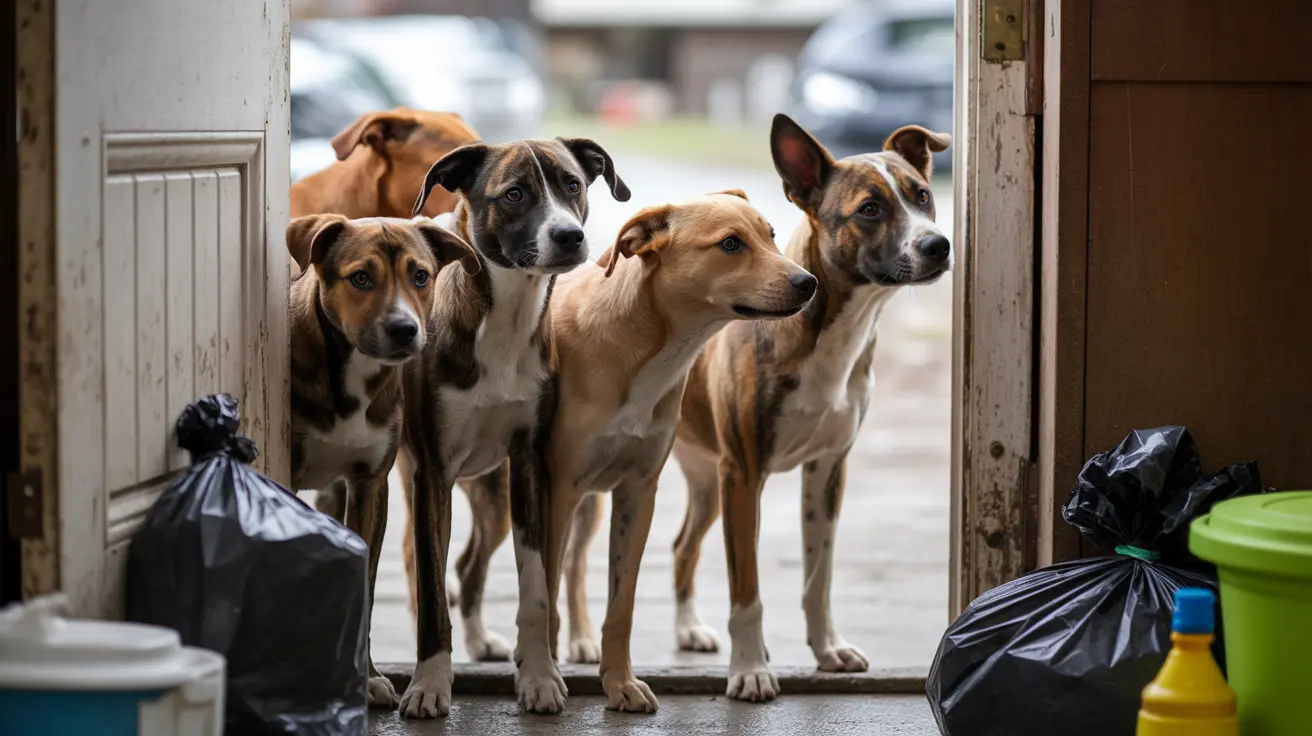
Animal Rescue Flood San Ysidro: Emergency Response in Action
When floodwaters threatened the lives of nearly three dozen animals in San Ysidro, specialized rescue teams sprang into action. The San Diego Humane Society's Emergency Response Team utilized their training and equipment to safely evacuate all animals from the dangerous conditions.
Emergency animal rescue operations during floods require careful coordination and specialized protocols. Rescuers must assess both human and animal safety while working quickly to remove pets from rising waters. The successful rescue of 33 animals demonstrates the effectiveness of having trained emergency response teams ready to deploy during natural disasters.
This operation exemplifies why communities need robust animal technical rescue team capabilities, as traditional first responders may not have the specialized training required for safe animal evacuations during emergencies.
Animal Hoarding Legal Consequences California: Setting Precedents
The court's decision to impose a 10-year animal ownership ban reflects California's serious approach to animal hoarding cases. This lengthy prohibition serves both as punishment and prevention, ensuring the individual cannot repeat similar harmful behaviors toward animals in the future.
Animal hoarding is classified under California law as a form of animal neglect or cruelty, carrying potential felony or misdemeanor charges depending on the severity of conditions and number of animals involved. Courts consider factors such as living conditions, veterinary care, adequate food and water access, and the animals' overall health when determining sentences.
Preventing Animal Cruelty Through Legal Action
Legal consequences for animal hoarding serve multiple purposes: they punish harmful behavior, protect animals from future abuse, and send a clear message about community standards for animal care. The 10-year ownership ban in this case is particularly significant, as many jurisdictions impose shorter restrictions.
Pet Disaster Preparedness: Lessons for San Diego Residents
This incident highlights crucial lessons about disaster pet emergency kit preparation and flood animal evacuation planning. Pet owners in flood-prone areas like San Diego County must have evacuation plans that include their animals, as emergency responders may not always be able to provide immediate assistance.
Essential components of emergency pet transport planning include proper identification for all animals, carriers appropriate for each pet's size, sufficient food and water supplies for several days, necessary medications, and important veterinary records. Having these items readily accessible can mean the difference between successful evacuation and tragic loss during emergencies.
San Diego Animal Welfare Resources: Community Support Systems
The San Diego Humane Society exemplifies comprehensive animal welfare programming through their emergency response capabilities, sheltering operations, and community education initiatives. Their "zero" euthanasia policies and collaborative approach to animal rehoming provide models for other communities facing similar challenges.
Beyond emergency response, these organizations offer valuable resources for pet owners, including educational programs about proper animal care, assistance during financial hardship, and support for pet owners facing housing challenges that might otherwise lead to surrender or abandonment.
Frequently Asked Questions
What warning signs indicate an animal hoarding situation and how can I help? Animal hoarding often involves keeping excessive numbers of animals in inadequate living conditions, with poor sanitation, insufficient food, and lack of veterinary care. Recognizing these signs can help you report suspected cases to local animal welfare organizations for intervention.
How do animal emergency response teams rescue pets during floods or disasters? Specialized teams like the San Diego Humane Society's Emergency Response Team use trained volunteers, specialized equipment, and species-specific protocols to safely evacuate pets from flooded or dangerous environments, ensuring safety for both animals and responders.
What legal consequences can animal hoarding lead to in California? Animal hoarding is classified as animal neglect or cruelty and can result in felony or misdemeanor charges. Courts may impose bans on animal ownership, such as a 10-year prohibition, as a preventive and punitive measure.
How can pet owners prepare their animals for emergencies like floods or wildfires? Creating a pet disaster kit with identification, food, water, medications, and proper carriers, along with having an evacuation plan, helps ensure pets' safety during disasters. Community outreach programs offer education on such preparedness.
Protecting Our Communities' Most Vulnerable
The successful rescue of 33 animals from a flooded San Ysidro home demonstrates both the dedication of emergency responders and the serious legal consequences awaiting those who neglect their animals' welfare. This case serves as a reminder that responsible pet ownership includes preparing for emergencies and providing appropriate care regardless of circumstances.
By supporting organizations like the San Diego Humane Society and staying informed about proper animal care standards, community members can help prevent similar situations while ensuring rapid response capabilities remain available when disasters strike.




