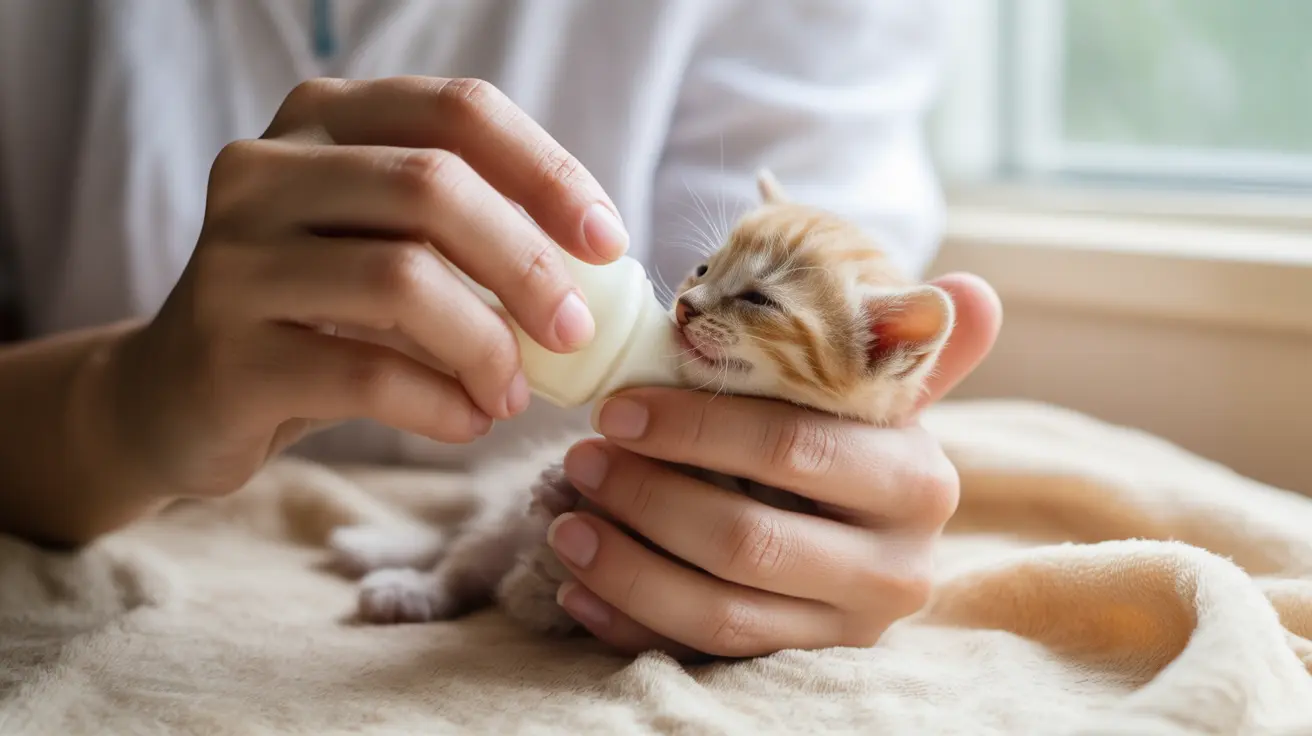
The ANNA Shelter in Erie County faced an overwhelming weekend as they partnered with Pennsylvania State Police to rescue 72 animals from a local property in what appears to be a severe case of animal hoarding. This rescue operation highlights the ongoing crisis of animal hoarding that affects approximately 250,000 animals annually across the United States.
According to reports, all 72 animals were discovered living in deplorable conditions, forced to share a single area on the property. The situation required immediate intervention from both law enforcement and animal welfare professionals to ensure the safety and wellbeing of the rescued animals.
Understanding the Scale of Animal Hoarding Cases
Animal hoarding represents one of the most complex animal welfare challenges facing communities nationwide. With up to 5,000 new cases reported annually, this psychological condition creates situations where well-intentioned individuals become overwhelmed by the number of animals in their care, ultimately failing to provide adequate living conditions, medical care, or proper nutrition.
The Erie County case involving 72 animals demonstrates the severity these situations can reach. When animals are forced to share inadequate space, the results typically include unsanitary living conditions, untreated medical issues, behavioral problems, and significant stress for all animals involved.
The Rescue and Recovery Process
ANNA Shelter's response to this weekend's emergency showcases the critical role animal shelters play in hoarding interventions. The organization worked alongside state police to safely remove all animals from the property, beginning what will likely be a lengthy rehabilitation process.
Post-rescue care for animals from hoarding situations typically involves comprehensive medical evaluations, treatment for any health conditions, behavioral assessments, and gradual socialization. Many of these animals may have had limited human contact or veterinary care, requiring specialized attention before they can be considered ready for adoption.
Medical and Behavioral Rehabilitation
Research indicates that animals rescued from hoarding situations, while initially showing signs of fear and behavioral challenges, can experience remarkable improvements with proper care. The 72 animals now in ANNA Shelter's care will likely undergo medical treatment, spay and neuter procedures, and behavioral rehabilitation designed to help them become healthy, adoptable companions.
The rehabilitation process varies depending on each animal's individual needs, but shelter staff are experienced in working with animals from traumatic situations and helping them develop the confidence and social skills necessary for successful adoptions.
Supporting Shelter Response to Hoarding Cases
Large-scale rescues like this weekend's operation place enormous strain on shelter resources. ANNA Shelter, like many animal welfare organizations, relies on community support to handle emergency situations that can quickly overwhelm normal operating capacity.
Community members can support shelters dealing with hoarding cases through adoption, fostering, volunteering, and donations. Essential supplies for these situations often include cat litter, canned food for both cats and dogs, cleaning supplies, and medical resources. Financial donations also provide shelters with the flexibility to address immediate needs as they arise.
Prevention Through Awareness
Recognizing the signs of animal hoarding in communities can help prevent situations from escalating to the point where large-scale interventions become necessary. Warning signs include overwhelming odors, animals visible through windows in overcrowded conditions, piles of trash or debris, and reports of animals in distress.
When community members suspect hoarding situations, reporting concerns to local animal control, law enforcement, or police non-emergency lines can initiate welfare checks that may prevent animal suffering and provide resources to individuals who need assistance.
Frequently Asked Questions
What is animal hoarding and why does it happen?
Animal hoarding is a serious psychological condition where individuals feel compelled to "save" animals, but the situation spirals out of control, leaving them unable to provide adequate care. Hoarders often deny the severity of their situation, resulting in unsanitary, overcrowded conditions that endanger both animals and humans.
What are the signs of animal hoarding and how do I report it?
Signs include animals living in filth, piles of trash, inadequate space, untreated medical conditions, and overwhelming odors. If you suspect hoarding, contact local animal control, law enforcement, or call the police non-emergency line for a welfare check; Pennsylvania State Police responded to hoarding cases in Erie County through citizen and staff reports.
Can animals rescued from hoarding situations become healthy, adoptable pets?
Yes research shows that hoarding survivors, while often initially fearful and showing behavioral challenges, can experience dramatic behavioral improvements and thrive as loving family pets. Post-rescue animals require medical care, spay/neuter services, and behavioral rehabilitation before adoption.
What can I do to support shelters handling hoarding cases in my community?
You can adopt, foster, or volunteer with local shelters; donate financial support, pet supplies (cat litter, canned food), or medical resources; and urge elected officials to adequately fund animal welfare services and strengthen animal cruelty laws.
Moving Forward
The ANNA Shelter's quick response to this weekend's emergency demonstrates the vital role animal welfare organizations play in protecting vulnerable animals. As the 72 rescued animals begin their recovery journey, the case serves as a reminder of the importance of community awareness and support for animal welfare efforts.
For pet owners and animal lovers, situations like these underscore the value of supporting local shelters and remaining vigilant for signs of animal distress in their communities. Through collective effort and awareness, communities can work together to prevent animal suffering and ensure that cases like this weekend's rescue become opportunities for healing and new beginnings.