
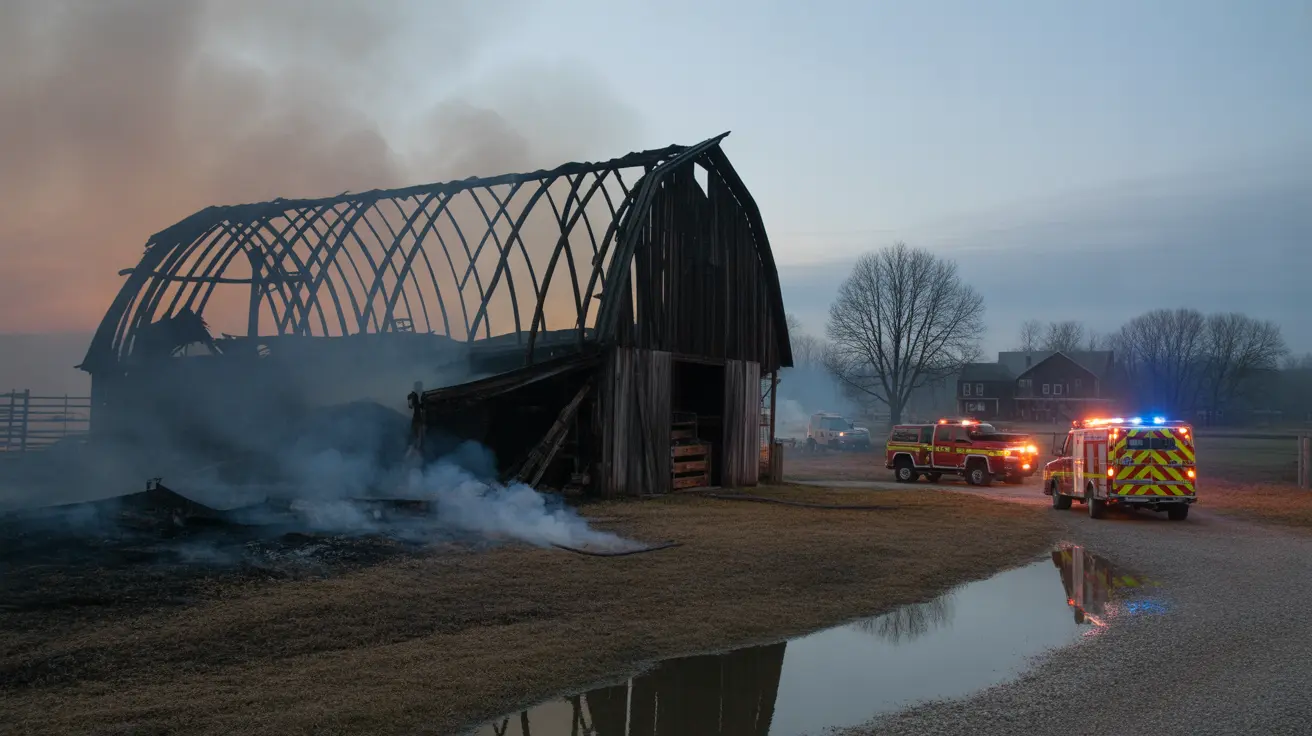
Crews responded to a devastating early morning barn fire on Thursday that resulted in multiple animal deaths, serving as a stark reminder of the critical importance of barn fire prevention measures for livestock and pet owners. This tragic incident highlights the urgent need for comprehensive fire safety protocols in agricultural buildings where animals are housed.
Barn fires pose one of the most serious threats to farm animals and rural pets, often spreading rapidly due to combustible materials like hay, bedding, and wooden structures. The early morning timing of this particular incident underscores how quickly these emergencies can develop, leaving little time for animal evacuation when proper safety measures aren't in place.
Understanding Common Barn Fire Hazards
Several factors contribute to the high risk of fires in barn environments. Electrical systems in older agricultural buildings often lack modern safety features, making electrical safety in barns a top priority for prevention efforts. Faulty wiring, overloaded circuits, and damaged electrical components frequently spark barn fires that can spread within minutes.
Hay storage fire risk represents another significant concern, as improperly cured or stored hay can undergo spontaneous combustion hay processes. When hay is baled with excessive moisture content or stored in poorly ventilated areas, internal heating can reach dangerous temperatures, eventually igniting surrounding materials.
Critical Safety Equipment and Placement
Proper fire safety equipment installation can mean the difference between a contained incident and a devastating loss. ABC fire extinguisher placement should follow strategic guidelines, with extinguishers positioned near electrical panels, hay storage areas, and main entrances. These multi-purpose extinguishers can handle electrical, ordinary combustible, and flammable liquid fires commonly found in barn settings.
Smoke detectors livestock facilities require specialized consideration due to dust and humidity levels typical in animal housing areas. Heat detectors often prove more reliable than standard smoke detectors in these environments, providing early warning without false alarms from normal barn operations.
Protecting Against Environmental and Equipment Hazards
Heating equipment barn fires frequently occur during colder months when supplemental heating becomes necessary for animal welfare. Space heaters, heat lamps, and other warming devices must maintain proper clearances from combustible materials and receive regular maintenance inspections.
Lightning protection farm buildings involves installing proper grounding systems and surge protection for electrical equipment. Rural properties face higher lightning strike risks, making these protective measures essential for preventing fire ignition during storms.
Developing Emergency Protocols
Creating a livestock fire evacuation plan requires careful consideration of animal behavior, facility layout, and available personnel. Plans should identify primary and secondary evacuation routes, designate safe assembly areas, and establish clear communication protocols for emergency responders.
An effective emergency action plan farm animals should include regular practice drills, updated contact information for veterinary services, and coordination with local fire departments familiar with livestock handling procedures.
Maintenance and Inspection Priorities
Regular safety inspections help identify potential hazards before they become critical threats. Rodent damage electrical wiring barn issues commonly develop unnoticed, as mice and rats chew through insulation and create dangerous short circuits. Monthly visual inspections of electrical systems can catch these problems early.
Fire-resistant barn materials offer long-term protection benefits, though retrofitting existing structures requires careful planning and investment. Metal roofing, fire-rated doors, and proper ventilation systems all contribute to improved fire safety outcomes.
Professional Standards and Compliance
Following NFPA barn fire code guidelines ensures your facility meets established safety standards developed specifically for agricultural applications. These codes address everything from electrical installation requirements to proper storage practices for flammable materials.
Regular farm fire safety inspection by qualified professionals can identify compliance issues and recommend improvements based on current best practices and local regulations.
Frequently Asked Questions
What are the most common causes of barn fires, and how can I prevent them?
The leading causes include electrical malfunctions, spontaneous combustion of improperly stored hay, heating equipment failures, and lightning strikes. Prevention focuses on regular electrical system maintenance, proper hay curing and storage practices, safe heating equipment installation, and lightning protection systems.
How should I store hay and other flammable materials to reduce barn fire risk?
Store hay only when properly cured with moisture content below 20%, provide adequate ventilation around storage areas, maintain separation from electrical equipment, and monitor temperatures in large hay storage areas during the first few weeks after storage.
What fire safety equipment do I need in my barn, and where should it be installed?
Essential equipment includes ABC fire extinguishers near electrical panels and exits, heat detectors in animal areas, emergency lighting systems, and clearly marked evacuation routes. Equipment should undergo regular maintenance and testing according to manufacturer specifications.
Conclusion
The tragic loss of multiple animals in Thursday's barn fire serves as a sobering reminder that comprehensive fire prevention measures are not optional for responsible pet and livestock owners. By implementing proper safety protocols, maintaining equipment regularly, and developing clear emergency plans, we can significantly reduce the risk of similar devastating incidents.
Every barn owner should take immediate steps to assess their current fire safety measures and make necessary improvements. The investment in prevention equipment and protocols is minimal compared to the potential loss of beloved animals and property.




