
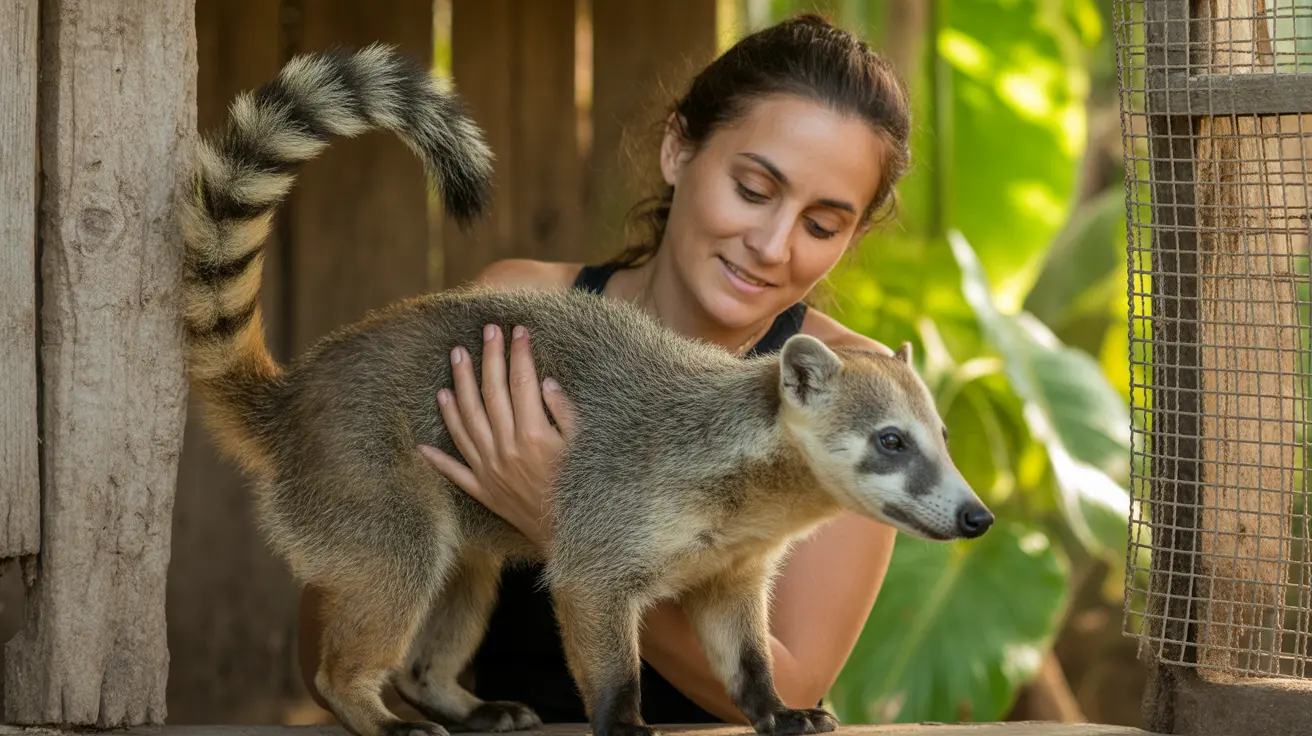
When most people think about pet rescues, they picture dogs and cats finding their forever homes. However, in Central Florida, a special sanctuary is providing refuge for some of the most unusual abandoned animals you can imagine. Bellowing Acres sanctuary has become a beacon of hope for exotic animals that have been abused, neglected, or simply outgrown their original living situations.
The reality of exotic pet ownership often differs dramatically from what people expect when they bring home that adorable baby alligator or fox kit. As Reef the Fox, an educational ambassador from Pawsitive Beginnings, recently discovered during a visit to this remarkable facility, these animals require specialized care that extends far beyond what most pet owners can provide.
Unlike traditional zoos or roadside attractions, Bellowing Acres operates as a true animal sanctuary with a no-petting policy, focusing exclusively on the welfare and rehabilitation of animals that cannot be returned to the wild. This approach ensures that rescued alligators Florida and other exotic species receive the lifelong care they desperately need.
Understanding the Exotic Pet Crisis in Central Florida
Florida's warm climate and relatively lenient exotic pet ownership laws have made it a hotspot for non-traditional pet ownership. However, this has also created a significant problem as many exotic animals end up abandoned or surrendered when owners realize the true scope of their needs.
Exotic animals like alligators, coatimundis, and foxes often start as small, seemingly manageable pets. As they mature, they develop complex behavioral patterns, dietary requirements, and space needs that typical households cannot accommodate. Additionally, many of these animals can live for decades, making them a lifetime commitment that owners may not have fully considered.
Why Exotic Pets End Up in Sanctuaries
Several factors contribute to the steady stream of animals arriving at facilities like Bellowing Acres. Nonnative pet problems in Florida often stem from impulse purchases, inadequate research, or changes in family circumstances. Some animals are rescued from abusive situations where they were kept in inappropriate conditions or used for entertainment purposes.
The sanctuary model provides these animals with large, species-appropriate enclosures where they can exhibit natural behaviors while receiving proper veterinary care and nutrition. This approach represents a significant departure from traditional zoo settings, focusing on the animals' psychological and physical well-being rather than public entertainment.
The Role of Educational Ambassadors
Organizations like Pawsitive Beginnings, which works with educational ambassadors such as Reef the Fox, play a crucial role in preventing exotic animal abandonment through education. These programs help potential pet owners understand the realities of exotic animal care before making decisions they may later regret.
Educational ambassadors demonstrate the specialized knowledge and resources required to properly care for exotic species. They highlight important considerations such as veterinary costs, dietary requirements, space needs, and behavioral challenges that exotic pet owners must be prepared to address throughout their animal's lifetime.
Visiting Guidelines and Sanctuary Ethics
For those interested in supporting exotic animal welfare and enrichment programs, wildlife sanctuary visitor guidelines typically emphasize observation rather than interaction. True sanctuaries prioritize animal welfare over visitor experience, which means maintaining appropriate boundaries between humans and animals.
This philosophy extends to all aspects of sanctuary operations, from enclosure design to daily care routines. The goal is to provide animals with environments where they can thrive while minimizing stress and maintaining their dignity.
Frequently Asked Questions
What is Bellowing Acres sanctuary, and how is it different from a zoo or roadside animal attraction?
Bellowing Acres is a true animal sanctuary focused on providing lifelong care for abused exotic animals without offering hands-on encounters or entertainment. Unlike zoos, their primary mission is animal welfare rather than public entertainment, with strict no-petting policies to ensure animal well-being.
Why do exotic animals like alligators, foxes, or coatimundis end up in sanctuaries?
These animals often outgrow their original homes as they mature and develop complex needs that typical pet owners cannot meet. Many are surrendered when owners realize the long-term commitment, specialized veterinary care, and appropriate housing these species require throughout their lifespans.
Can I surrender my exotic pet to a sanctuary like Bellowing Acres?
Most reputable sanctuaries have surrender processes, though they may have waiting lists due to limited space. Before acquiring an exotic pet, research exotic pet amnesty and surrender programs in your area, and consult with exotic pet ownership laws in Florida to understand your legal responsibilities.
Supporting Responsible Pet Ownership
The work being done at sanctuaries like Bellowing Acres highlights the importance of making informed decisions about pet ownership. While these facilities provide essential services for animals in need, the ultimate goal should be preventing the abandonment and abuse that necessitates their intervention in the first place.
By supporting education programs and responsible ownership practices, we can help ensure that fewer exotic animals end up needing sanctuary care, while still providing hope and healing for those that do.




