
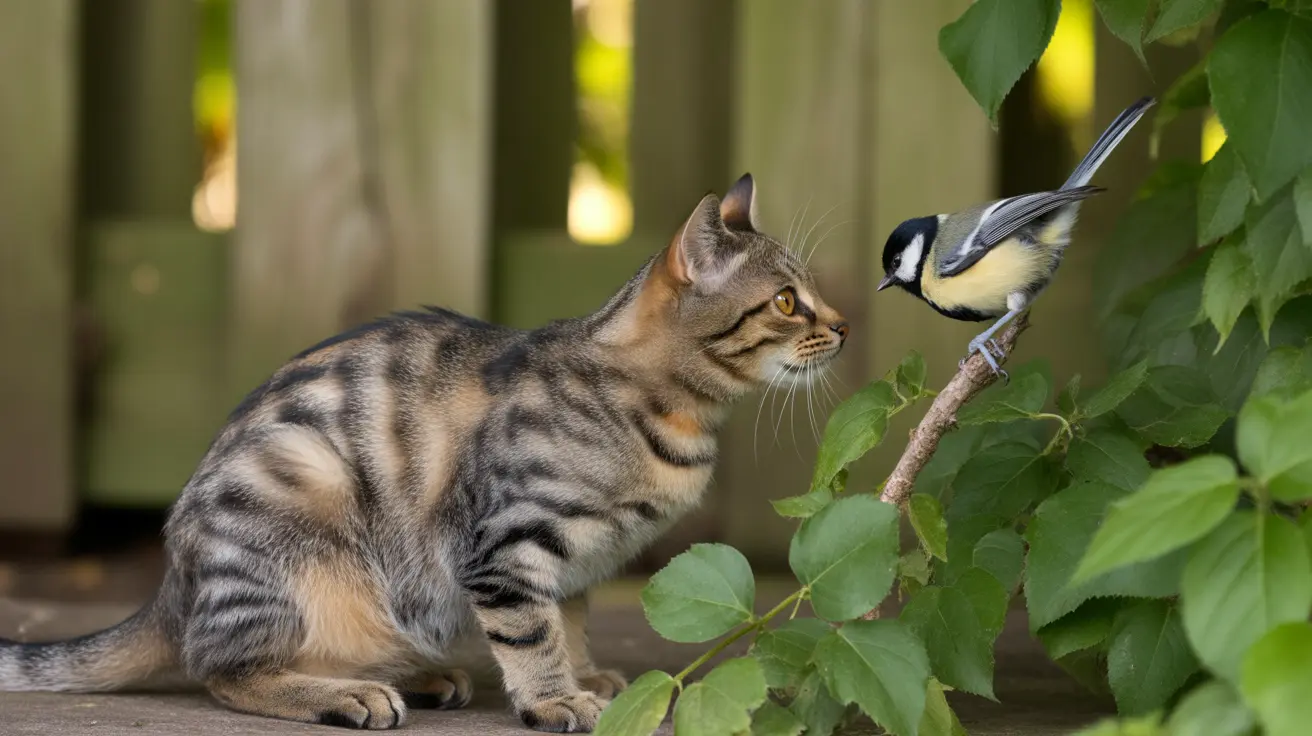
Domestic cats possess an innate predatory drive that has remained largely unchanged despite thousands of years of domestication. While pet owners cherish their feline companions for their affectionate purrs and playful nature, many don't fully recognize the ecological implications of their cats' natural hunting behaviors. Understanding these instincts and their environmental consequences is crucial for responsible pet ownership and wildlife conservation.
The hunting prowess of domestic cats extends far beyond the occasional mouse or bird brought to your doorstep. These skilled predators maintain razor-sharp reflexes and hunting techniques that have made them one of the most successful carnivores in the animal kingdom. For pet parents, acknowledging this reality is the first step toward making informed decisions about cat care and environmental stewardship.
The Science Behind Feline Predatory Behavior
Cats are obligate carnivores, meaning their bodies have evolved specifically for hunting and consuming meat. Their predatory instincts are hardwired into their DNA, passed down from their wild ancestors. Even well-fed indoor cats will often display hunting behaviors, stalking toys, pouncing on moving objects, and practicing the killing bite that comes so naturally to their species.
These hunting instincts manifest in several key behaviors that pet owners commonly observe. The classic crouch-and-stalk position, the lightning-fast pounce, and the instinctive neck bite are all remnants of survival skills that kept their ancestors alive in the wild. Understanding these behaviors helps pet parents recognize that hunting isn't driven by hunger alone—it's a fundamental aspect of feline nature.
Environmental Consequences of Outdoor Cat Activity
When domestic cats spend time outdoors, their natural hunting abilities can significantly impact local wildlife populations. Studies have consistently shown that free-roaming cats affect bird, small mammal, reptile, and amphibian communities in various ecosystems. This impact occurs regardless of whether the cat is feral, stray, or a beloved pet with a caring home.
The environmental challenges arise because domestic cats often exist in higher densities than natural predator populations would typically support. Unlike wild predators whose numbers are naturally regulated by food availability and territory, domestic cats receive supplemental feeding and veterinary care, allowing higher population densities that can overwhelm local prey species.
Responsible Pet Ownership Solutions
Pet parents can take several practical steps to address their cats' predatory nature while minimizing environmental impact. Indoor living provides the safest environment for cats while protecting wildlife, though it requires creating an enriching environment that satisfies hunting instincts through interactive play and mental stimulation.
For cats that do spend time outdoors, supervised outdoor time or enclosed outdoor spaces like "catios" offer compromise solutions. These approaches allow cats to experience fresh air and natural surroundings while limiting their hunting opportunities. Additionally, timing outdoor access to avoid peak wildlife activity periods can reduce hunting success.
Creating Indoor Hunting Opportunities
Indoor cats need adequate outlets for their predatory instincts to maintain physical and mental health. Interactive toys that mimic prey movements, puzzle feeders that require "hunting" for food, and regular play sessions with wand toys can satisfy these natural drives. Rotating toys and creating varied play experiences helps prevent boredom and behavioral issues.
Bell Collars and Other Deterrents
While bell collars are sometimes suggested as hunting deterrents, their effectiveness remains debated among experts. Some wildlife may become accustomed to bell sounds, and skilled hunters may learn to move without triggering the bell. However, bells may provide some protection for birds and can alert owners to their cat's location during outdoor time.
Frequently Asked Questions
Do well-fed indoor cats still have hunting instincts? Yes, hunting behavior in cats is independent of hunger. Even cats with abundant food access will display stalking, pouncing, and hunting behaviors because these instincts are genetically programmed survival mechanisms that persist regardless of domestication.
Is it cruel to keep a cat indoors to prevent hunting? No, indoor living can provide a fulfilling life for cats when their environment includes adequate mental stimulation, exercise opportunities, and outlets for natural behaviors. Many indoor cats live longer, healthier lives while enjoying strong bonds with their human families.
How can I satisfy my cat's hunting instincts without harming wildlife? Provide interactive toys, puzzle feeders, climbing structures, and regular play sessions that mimic hunting scenarios. Feather wands, laser pointers (always end with a physical toy), and treat-dispensing toys can effectively channel predatory energy toward appropriate targets.
Balancing Love for Cats with Environmental Responsibility
Recognizing your cat's predatory nature doesn't diminish the joy and companionship these remarkable animals bring to our lives. Instead, understanding these instincts empowers pet parents to make thoughtful decisions that honor their cats' natural behaviors while protecting local wildlife populations. Through responsible ownership practices, we can celebrate our feline companions while maintaining our commitment to environmental stewardship and conservation efforts.




