
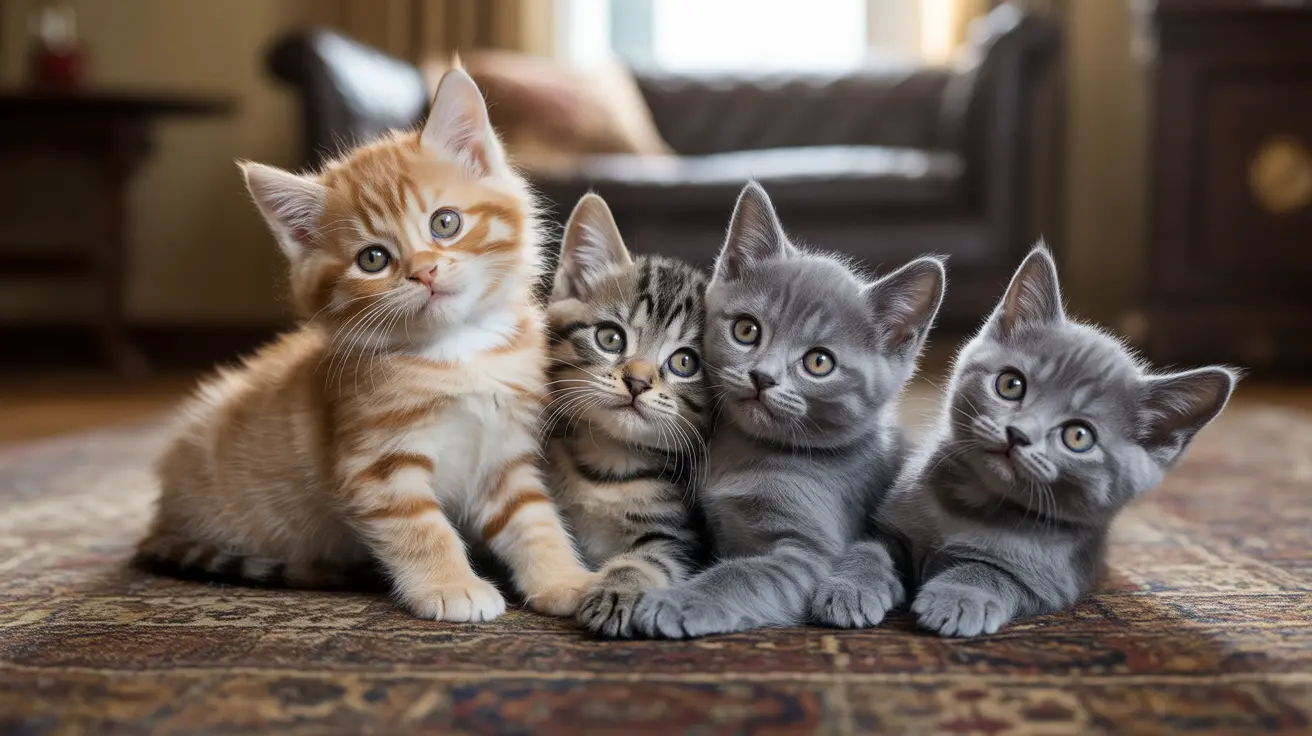
Kitten season has arrived, bringing with it an overwhelming surge of feline births that challenges animal welfare departments and shelters across the nation. This annual phenomenon, spanning approximately March through October in most U.S. regions, creates a critical period where swift action and community support become essential to address the growing crisis of cat overpopulation.
For pet parents and animal advocates, understanding the scope and impact of kitten season is crucial to helping reduce the strain on local shelters and protecting vulnerable cats in our communities. With longer days and warmer weather triggering heat cycles in unspayed females, the months ahead will see an exponential increase in kitten births that can quickly overwhelm even the most well-prepared animal welfare systems.
Understanding the Scale of Cat Overpopulation
The statistics surrounding cat overpopulation during kitten season are staggering. A single unspayed female cat and her offspring can produce an astounding 420,000 kittens in just seven years. This exponential growth occurs because female cats reach sexual maturity remarkably early—as young as 4-6 months—and can experience 3-4 heat cycles yearly, with each cycle potentially producing 4-6 kittens on average.
U.S. animal shelters intake over 3.2 million cats annually, with kitten season accounting for a devastating 70-80% of all feline admissions. During peak months, shelter intakes can double or triple normal capacity, creating dangerous overcrowding conditions that increase disease transmission and unfortunately lead to higher euthanasia rates.
The Critical Role of Spay and Neuter Programs
Early spay neuter benefits extend far beyond population control, offering significant health advantages for cats. When performed before a cat's first heat cycle, spaying reduces the risk of mammary tumors by an impressive 91%. This preventive measure not only saves lives but also reduces long-term veterinary costs for pet owners.
Low-cost spay neuter clinics have become essential resources for communities tackling cat overpopulation. These facilities make sterilization accessible to pet owners who might otherwise be unable to afford the procedure, creating a direct impact on reducing future litter births during subsequent kitten seasons.
Trap Neuter Return TNR: A Proven Solution for Feral Cat Colonies
Feral cat management requires specialized approaches, with Trap-Neuter-Return (TNR) programs leading the charge. This comprehensive strategy targets feral cat colonies by vaccinating, sterilizing, and ear-tipping cats before releasing them back to their established territories.
Research demonstrates the effectiveness of TNR initiatives, with studies confirming that managed colonies see a 36% reduction in size over five years. Even more impressive, TNR programs cut future litters by 66% in properly managed colonies, making them one of the most effective long-term solutions for addressing feral cat populations.
Animal Shelter Overpopulation and Community Solutions
The impact of kitten season on shelters extends beyond simple overcrowding. Limited resources become stretched thin, affecting the quality of care available for each animal. Kitten foster programs emerge as critical lifelines during these peak periods, with fostered kittens showing 95% survival rates compared to 70% for those remaining in shelter environments.
Animal welfare department initiatives increasingly focus on community engagement and preventive measures. By supporting TNR feeders who monitor feral colonies and educating the public about responsible pet ownership, these programs create sustainable solutions that address root causes rather than just symptoms.
Cat Adoption During Kitten Season
While the influx of kittens during peak season creates challenges, it also presents opportunities for prospective pet parents. Shelters often waive adoption fees or offer special incentives during high-intake periods, making it an ideal time for families ready to welcome a new feline companion.
Community cat programs work year-round to prepare for kitten season preparedness, but their success depends heavily on public participation. Pet owners can contribute by ensuring their own cats are spayed or neutered, supporting local TNR efforts, and choosing adoption over purchasing from breeders during peak season months.
Frequently Asked Questions
What is kitten season and when does it occur?
Kitten season is the annual surge in cat births spanning approximately March to October in most U.S. regions, with earlier starts (January-February) in warmer climates like Albuquerque, driven by longer days and warmer weather triggering heat cycles in unspayed females.
How many kittens can one unspayed cat produce, and why is spay/neuter so important?
A single unspayed female cat and her offspring can produce 420,000 kittens in 7 years; female cats reach sexual maturity as early as 4-6 months and experience 3-4 heat cycles yearly, each producing 4-6 kittens on average. Early spay/neuter (as young as 8 weeks) prevents mammary tumors, with risk dropping 91% if done before the first heat.
What is Trap-Neuter-Return (TNR) and how effective is it?
TNR targets feral colonies by vaccinating, sterilizing, and ear-tipping cats before releasing them back to their territory; studies confirm TNR reduces colony sizes by 36% over 5 years and cuts future litters by 66% in managed colonies.
How can I help reduce kitten overpopulation in my community?
You can support spay/neuter clinics, foster kittens (which have 95% survival rates in homes versus 70% in shelters), adopt during peak season, microchip pets, and support TNR feeders who monitor feral colonies while preventing abandonment.
Taking Action for Long-term Impact
Addressing cat overpopulation during kitten season requires sustained community effort extending well beyond the peak months. By supporting spay and neuter initiatives, participating in foster programs, and choosing adoption, pet lovers can make meaningful contributions to reducing the annual crisis that overwhelms animal welfare systems nationwide.




