
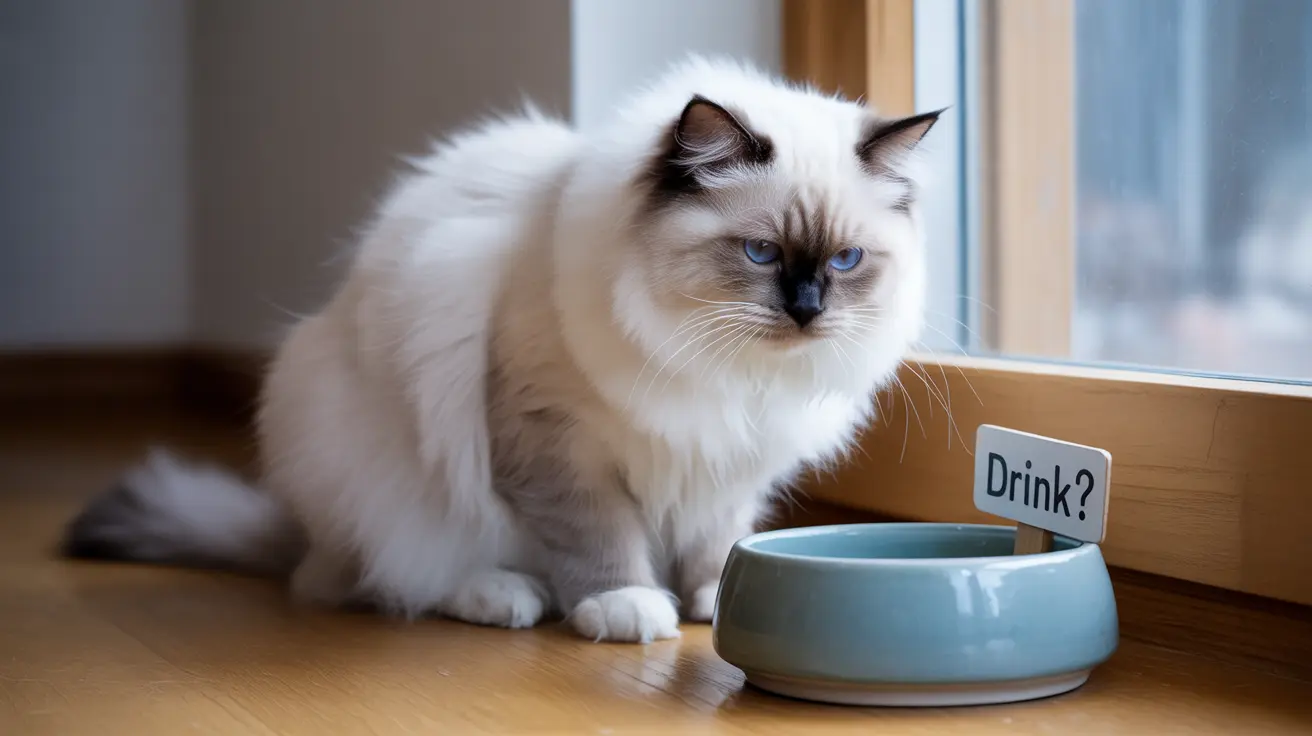
This article explores the most common reasons cats sit by their water bowls, from instinctive caution to medical concerns. It also offers practical advice on how to encourage proper hydration, choose the right type of bowl, and recognize when your cat’s behavior might signal a deeper issue. By the end, you’ll have a clearer picture of what your cat’s quiet moments by the bowl truly mean.
Instinctive and Environmental Reasons
In the wild, cats evolved as desert-dwelling hunters who obtained most of their moisture from prey rather than standing water. As a result, domestic cats often approach water with caution. Sitting near the bowl allows them to observe their surroundings and ensure it’s safe before drinking. This behavior is rooted in survival instincts—wild cats are both predators and potential prey, so vigilance around water sources was essential. Even in the safety of a home, that instinct remains strong.
Environmental factors also play a role. Cats are sensitive to the placement of their resources. If the water bowl is near their food or litter box, they may hesitate to drink and instead linger nearby. Some cats prefer running water because it feels fresher and safer, which explains why many are drawn to dripping faucets or pet fountains. The sound and movement of water can stimulate their curiosity and make them feel more comfortable drinking.
Temperature and lighting can further influence this behavior. Cats may sit by the bowl simply because it’s located in a cool, quiet spot. On warm days, the area around the water bowl might provide a refreshing place to rest. Observing when and where your cat chooses to sit can reveal whether the behavior is about hydration, comfort, or both.
Health-Related Causes and Warning Signs
While sitting by the water bowl can be harmless, it can also indicate underlying health issues. Cats that suddenly spend more time near water may be experiencing increased thirst, a symptom of conditions such as diabetes, kidney disease, or hyperthyroidism. These illnesses affect how the body processes fluids, leading to dehydration and prompting the cat to seek water more frequently. If your cat is drinking excessively or seems fixated on the bowl, a veterinary checkup is essential.
Dental pain or mouth discomfort can also make drinking difficult. A cat with sore gums or tooth problems might sit near the bowl, wanting to drink but hesitating due to pain. Similarly, older cats with arthritis may find it uncomfortable to bend down, causing them to rest beside the bowl rather than drink immediately. Observing subtle changes in posture, frequency of visits, and overall behavior can help you detect early signs of discomfort or illness.
To distinguish between normal and concerning behavior, consider these indicators:
- Sudden increase in time spent near the water bowl or noticeable rise in water consumption.
- Changes in appetite, weight loss, or lethargy accompanying the behavior.
- Frequent urination or accidents outside the litter box.
- Signs of pain when eating or drinking, such as pawing at the mouth or drooling.
- Persistent sitting or staring at the bowl without drinking.
If any of these symptoms appear, schedule a veterinary visit promptly. Early diagnosis can prevent serious complications and improve your cat’s quality of life.
Hydration Habits and How to Encourage Drinking
Proper hydration is vital for your cat’s kidney function, digestion, and overall health. However, many cats naturally drink less water than they should, especially if they eat primarily dry food. Encouraging healthy drinking habits can reduce the risk of urinary tract issues and kidney disease. One effective strategy is to provide multiple water sources throughout the home, ensuring your cat always has easy access to fresh water.
The type of bowl you use can also make a difference. Cats often dislike narrow or deep bowls that cause their whiskers to touch the sides—a phenomenon known as “whisker fatigue.” Opt for wide, shallow bowls made of ceramic, glass, or stainless steel, which are easier to clean and don’t retain odors. Some cats prefer moving water, so a pet fountain can be an excellent investment. The gentle flow mimics natural streams and keeps the water oxygenated and appealing.
In addition to bowl selection, consider these hydration tips:
- Refresh water daily and clean bowls regularly to prevent bacterial buildup.
- Place water bowls away from food and litter areas to mimic natural separation of resources.
- Offer wet cat food or mix a small amount of water into dry kibble to increase moisture intake.
- Experiment with different water temperatures—some cats prefer cool water, while others like room temperature.
- Observe your cat’s preferences and adjust placement or type of bowl accordingly.
By creating an environment that encourages drinking, you help your cat maintain optimal hydration and reduce the likelihood of health problems related to dehydration.
Behavioral and Emotional Factors
Beyond physical needs, emotional and behavioral factors can influence why a cat sits by the water bowl. Cats are creatures of habit and often find comfort in familiar routines. Sitting near the bowl may simply be a calming ritual, especially for cats that associate the area with safety or relaxation. Some cats enjoy watching reflections or ripples in the water, finding the movement soothing or entertaining.
Stress and anxiety can also manifest in unusual behaviors. A cat experiencing household changes—such as a new pet, rearranged furniture, or loud noises—might seek refuge near the water bowl as a quiet, predictable spot. In multi-cat homes, one cat may guard the bowl as a way of asserting territory or ensuring access to resources. Observing interactions between cats can help determine whether the behavior stems from comfort or competition.
Providing enrichment and stability can reduce anxiety-driven behaviors. Ensure your cat has safe resting areas, vertical spaces, and consistent routines. If your cat’s water-bowl behavior coincides with other stress signals—like hiding, overgrooming, or aggression—consider consulting a veterinarian or feline behaviorist for guidance.
Choosing the Right Water Setup for Your Cat
The design and placement of your cat’s water bowl can significantly affect how often they drink. Cats prefer clean, quiet areas where they feel secure. Avoid placing bowls in high-traffic zones or near noisy appliances. Instead, choose calm corners with good visibility so your cat can monitor their surroundings while drinking. This setup aligns with their natural instincts to stay alert and safe.
Material choice matters too. Plastic bowls can develop scratches that harbor bacteria and odors, which may discourage drinking. Stainless steel and ceramic options are more hygienic and durable. If your cat enjoys running water, a fountain with adjustable flow settings can provide both hydration and entertainment. Some models include filters that keep the water fresh and free of debris, appealing to even the most finicky drinkers.
Regular maintenance is essential. Wash bowls with mild soap and rinse thoroughly to remove residue. Replace water frequently, especially in warm weather or if multiple pets share the same bowl. By paying attention to these details, you create a water setup that supports your cat’s health and satisfies their natural preferences.
Listening to What Your Cat Is Telling You
Your cat’s habit of sitting by the water bowl is more than a quirky behavior—it’s a form of communication. Whether it reflects instinct, comfort, or a potential health concern, paying attention to this subtle signal can help you better understand your pet’s needs. By providing clean, accessible water sources, monitoring changes in drinking habits, and maintaining a calm environment, you can ensure your cat stays both hydrated and content.
Ultimately, every cat is unique. Some may simply enjoy the coolness of the bowl’s location, while others may be signaling discomfort or curiosity. Observing patterns and responding with care strengthens the bond between you and your feline companion, turning everyday moments—like sitting by the water bowl—into opportunities for deeper connection and understanding.
FAQ
Why does my cat stare at the water bowl without drinking?
Cats may stare at their water bowls for several reasons. Some are fascinated by reflections or ripples on the surface, while others are assessing whether the water is safe to drink. Because cats have sensitive whiskers and poor depth perception, they sometimes need extra time to gauge the water level. If your cat frequently stares without drinking, ensure the bowl is clean, filled to a visible level, and placed in a quiet area. Persistent staring could also indicate vision issues or anxiety, so monitor for other behavioral changes.
Is it normal for my cat to sit near the water bowl but not drink?
Occasional sitting near the water bowl is normal, especially if the area is cool or comfortable. However, if your cat consistently lingers without drinking, it may signal discomfort, stress, or a medical issue. Check for signs of dehydration, such as dry gums or reduced skin elasticity. Also, observe whether your cat is eating normally and using the litter box regularly. If the behavior persists or is accompanied by other symptoms, consult your veterinarian to rule out underlying health problems.
How can I encourage my cat to drink more water?
Encouraging hydration involves making water more appealing and accessible. Offer multiple bowls in different locations, refresh the water daily, and consider using a pet fountain for moving water. Some cats prefer wide, shallow bowls that prevent whisker contact. Mixing wet food into your cat’s diet or adding a small amount of water to dry kibble can also increase fluid intake. Experiment with bowl materials and placement until you find what your cat prefers, and always keep the environment calm and clean.
Could sitting by the water bowl mean my cat is sick?
Yes, in some cases, this behavior can indicate illness. Conditions such as kidney disease, diabetes, or thyroid disorders can cause excessive thirst or changes in drinking habits. If your cat spends more time near the bowl, drinks excessively, or shows signs of lethargy, weight loss, or frequent urination, schedule a veterinary exam. Early detection of these conditions can significantly improve treatment outcomes and your cat’s overall well-being.
What type of water bowl is best for cats?
The best water bowls are wide, shallow, and made from non-porous materials like stainless steel, glass, or ceramic. These materials are easy to clean and don’t retain odors. Avoid plastic bowls, which can scratch easily and harbor bacteria. Some cats prefer running water, so a fountain can be a great alternative. Always ensure the bowl is placed in a quiet, safe location away from food and litter boxes to encourage regular drinking.
Why do cats prefer running water?
Running water appeals to cats because it mimics natural streams, which are typically fresher and safer than stagnant sources. The movement and sound attract their attention and stimulate their drinking instincts. Additionally, moving water stays oxygenated and cool, making it more palatable. If your cat frequently drinks from faucets or ignores still water, a pet fountain may satisfy their preference while keeping them hydrated more effectively.
Can stress cause changes in my cat’s drinking behavior?
Yes, stress can influence how often and where your cat drinks. Cats are sensitive to environmental changes, and disruptions such as new pets, loud noises, or altered routines can cause anxiety. Some cats may drink less or linger near the bowl as a form of self-soothing. Providing consistent routines, quiet spaces, and enrichment activities can help reduce stress. If stress-related behaviors persist, consult a veterinarian or feline behaviorist for tailored advice.
How often should I clean my cat’s water bowl?
Ideally, you should wash your cat’s water bowl daily with mild soap and rinse thoroughly to remove residue. Bacteria can build up quickly, especially in warm environments or if multiple pets share the bowl. Regular cleaning prevents unpleasant odors and keeps the water tasting fresh. If you use a fountain, follow the manufacturer’s cleaning schedule and replace filters as recommended to maintain water quality and hygiene.
Does the location of the water bowl matter?
Yes, placement can greatly affect your cat’s willingness to drink. Cats prefer quiet, low-traffic areas where they feel safe and undisturbed. Avoid placing the bowl near food or litter boxes, as cats instinctively separate these resources. Providing multiple water stations in different rooms can also encourage more frequent drinking, especially in multi-cat households. Observing your cat’s preferences will help you find the most comfortable and effective setup.
When should I take my cat to the vet about water-bowl behavior?
If your cat’s water-bowl habits change suddenly—such as increased drinking, prolonged sitting, or refusal to drink—it’s best to consult a veterinarian. These changes can indicate dehydration, dental pain, or systemic illnesses like kidney disease or diabetes. Bring notes about your cat’s drinking frequency, appetite, and litter box use to help your vet make an accurate diagnosis. Early intervention ensures your cat receives appropriate care and maintains good health.




