
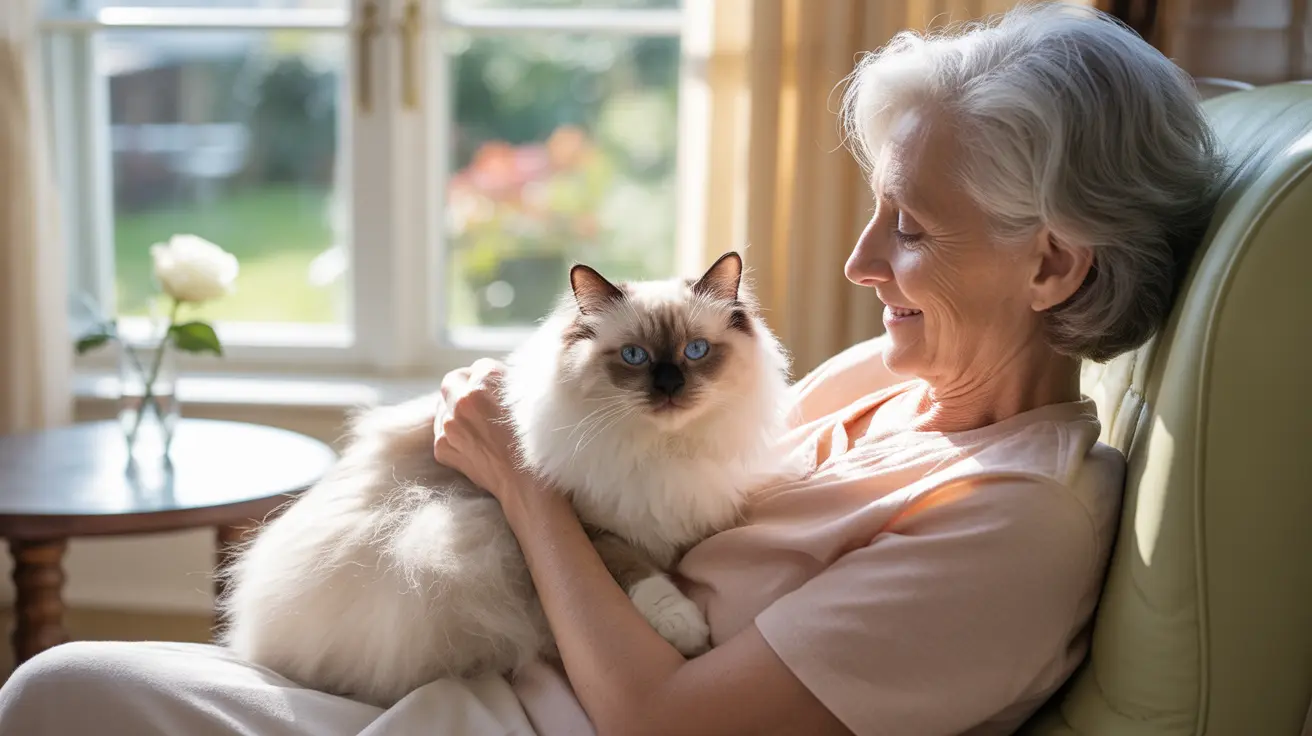
While science has yet to fully explain this phenomenon, research into feline behavior and sensory perception offers intriguing insights. Cats possess highly developed senses of smell, hearing, and touch, all of which allow them to detect changes in their surroundings and in the people they live with. Understanding how these senses work—and how cats interpret human emotions—can help us appreciate the depth of their connection to us.
This article explores the science, psychology, and anecdotal evidence behind cats’ reputed ability to sense death. We will examine how their senses function, how they respond to human illness, and why their behavior often seems to transcend ordinary explanation. By the end, you may see your feline companion in a new light—not just as a pet, but as a sensitive observer of life’s most profound transitions.
How Cats Perceive Human Emotions and Physical Changes
Cats are remarkably attuned to human behavior. They may not understand our words, but they are experts at reading tone, body language, and routine. When a person’s health begins to decline, subtle changes occur—alterations in scent, movement, and energy levels—that cats can detect. Their sense of smell is estimated to be fourteen times stronger than that of humans, allowing them to notice chemical shifts in the body caused by illness or stress.
Beyond scent, cats are sensitive to sound and vibration. They can hear frequencies far beyond human capacity and may pick up on irregular breathing, weakened heartbeats, or even the faint hum of medical equipment. Some researchers believe that cats respond instinctively to these cues, adjusting their behavior to comfort or monitor their human companions. This may explain why cats often become more affectionate or protective when their owners are unwell.
Emotional awareness also plays a role. Cats form strong attachments to their caregivers and can mirror their moods. When a person is anxious, depressed, or nearing the end of life, their emotional state shifts in ways that cats perceive. They may respond by staying close, purring softly, or refusing to leave the person’s side. Such behavior, while touching, is not necessarily mystical—it reflects the cat’s deep empathy and sensitivity to human emotion.
Scientific Perspectives on Cats and Death Detection
Although stories of cats predicting death are widespread, scientific evidence remains limited. However, several studies and documented cases suggest that feline intuition may have a biological basis. One of the most famous examples is Oscar, a therapy cat in a Rhode Island nursing home, who reportedly predicted the deaths of dozens of patients by curling up beside them in their final hours. Medical staff observed that Oscar’s visits were consistently followed by a patient’s passing, sparking interest among researchers and animal behaviorists.
Experts propose that cats like Oscar may detect biochemical changes that occur as the body begins to shut down. These changes can produce distinct odors or temperature variations that cats notice long before humans do. Additionally, cats’ acute hearing might allow them to sense subtle physiological shifts, such as slowed respiration or weakened circulation. While these explanations are plausible, they do not diminish the emotional significance of such behavior—it demonstrates the cat’s instinctive response to human vulnerability.
Scientific inquiry continues to explore how animals perceive death and dying. Some researchers suggest that cats’ reactions are not about foreseeing death but rather responding to the cues associated with it. This distinction is important: cats are not predicting the future, but they are extraordinarily perceptive observers of the present. Their behavior reflects a combination of sensory awareness, learned association, and emotional attunement.
Behavioral Signs That a Cat Senses Something Unusual
When cats sense that something is wrong, their behavior often changes in noticeable ways. These shifts can range from subtle to dramatic, depending on the cat’s personality and the situation. Observing these behaviors can provide insight into how your cat perceives changes in your health or emotional state.
- Increased closeness: Cats may follow their owners more closely, choosing to rest near them or sleep on their bed.
- Altered vocalization: Some cats become unusually quiet, while others meow persistently as if trying to communicate concern.
- Changes in appetite or grooming: Stress or empathy may cause cats to eat less or groom excessively.
- Protective behavior: A cat might position itself between its owner and others, or become more alert and watchful.
- Restlessness or agitation: Some cats pace or act unsettled, responding to emotional tension or physical decline in their human companion.
Recognizing these signs can help owners understand their cats’ emotional intelligence. While not every behavioral change indicates awareness of death, these patterns reveal how deeply cats tune into their environment. Their reactions often mirror the emotional atmosphere of the household, showing that they are not indifferent observers but active participants in their human families’ emotional lives.
The Emotional and Spiritual Dimensions of Feline Intuition
Beyond science, many people interpret cats’ sensitivity as a spiritual or metaphysical gift. Throughout history, cats have been associated with mystery, intuition, and the unseen. In various cultures, they were believed to guard the boundary between life and death, serving as guides for souls in transition. Whether or not one subscribes to these beliefs, it is undeniable that cats often display behavior that feels profoundly compassionate during times of loss or illness.
From a psychological standpoint, cats may provide comfort simply through their presence. Their rhythmic purring has been shown to reduce stress and lower blood pressure, creating a calming effect for both the cat and the human. In hospice settings, therapy cats are sometimes introduced to provide emotional support to patients and families. Their quiet companionship can ease fear and loneliness, offering a sense of peace that transcends words.
Ultimately, whether viewed through a scientific or spiritual lens, cats remind us of the interconnectedness of life. Their ability to sense and respond to human suffering highlights the depth of the human-animal bond. Even if we cannot fully explain how they know what they know, their empathy offers comfort in moments when it is needed most.
Understanding and Appreciating Feline Sensitivity
While definitive proof that cats can sense death remains elusive, the evidence of their heightened awareness is compelling. Their extraordinary senses allow them to detect physical and emotional changes that humans often overlook. Whether through smell, sound, or intuition, cats respond to these cues in ways that demonstrate empathy and care. For those who have experienced a cat’s comforting presence during illness or grief, the connection feels undeniably real.
Recognizing this sensitivity encourages us to treat cats not merely as pets but as sentient companions capable of emotional depth. Their behaviors, though sometimes mysterious, reflect a profound understanding of their human counterparts. By paying attention to how our cats react to us, we can learn more about their world—and perhaps about ourselves. In the end, their quiet companionship reminds us that empathy transcends species, offering solace in life’s most fragile moments.
FAQ
Can cats really sense when a person is dying?
There is no conclusive scientific proof that cats can predict death, but many documented cases suggest they can detect changes associated with it. Cats have an acute sense of smell and hearing, allowing them to notice chemical and physiological shifts in the human body. These may include changes in body temperature, scent, or breathing patterns. While it may appear that cats foresee death, they are likely responding to these subtle cues rather than predicting the future. Their behavior reflects sensitivity to human vulnerability and emotional states.
Why do cats stay close to sick or dying people?
Cats often become more affectionate or protective when their owners are unwell. This behavior may stem from their ability to sense changes in body chemistry or emotional energy. Illness can alter a person’s scent and routine, prompting the cat to investigate or provide comfort. Additionally, cats may respond to the emotional atmosphere, offering companionship during distress. Their closeness can be both instinctive and empathetic, serving as a form of silent support that helps ease anxiety and loneliness.
Do cats react differently to physical illness versus emotional distress?
Yes, cats can respond differently depending on the type of change they perceive. Physical illness often triggers curiosity or protective behavior, as the cat senses something unusual in the person’s scent or movement. Emotional distress, on the other hand, may cause the cat to mirror the owner’s mood—becoming quieter, more affectionate, or occasionally withdrawn. Both reactions demonstrate the cat’s sensitivity to its environment and its bond with its human companion. Their responses are nuanced, reflecting both instinct and emotional awareness.
How do cats use their senses to detect changes in humans?
Cats rely on their extraordinary sensory abilities to interpret the world. Their sense of smell can detect chemical changes in sweat or breath, while their acute hearing picks up subtle sounds like irregular breathing or heartbeats. They also sense vibrations through their whiskers and paws, allowing them to notice shifts in movement or energy. These combined senses create a detailed picture of their surroundings, helping them recognize when something about their human companion is different or concerning.
Is there scientific research supporting cats’ ability to sense death?
Scientific research on this topic is limited but growing. The most well-known case is Oscar, the therapy cat who appeared to predict patients’ deaths in a nursing home. Researchers believe he detected biochemical or behavioral changes that occur before death. While such cases are compelling, they remain anecdotal rather than definitive proof. Scientists generally agree that cats respond to sensory cues rather than possessing supernatural foresight. Nonetheless, these observations highlight the remarkable perceptiveness of feline companions.
Can cats sense death in other animals too?
Yes, cats can often detect when another animal is unwell or dying. Their heightened senses allow them to notice changes in scent, behavior, or energy levels in other pets. Some cats may become withdrawn or unusually gentle toward a sick companion, while others may avoid the area entirely. This behavior mirrors how they respond to human illness, suggesting that their awareness extends beyond species boundaries. Their reactions depend on their personality, past experiences, and the nature of their bond with the other animal.
Do all cats show the same sensitivity to human illness?
No, sensitivity varies widely among cats. Factors such as temperament, upbringing, and the closeness of the human-cat relationship influence how a cat responds. Some cats are naturally empathetic and attentive, while others are more independent or aloof. Cats that spend significant time with their owners are more likely to notice subtle changes in behavior or health. Just as humans differ in emotional awareness, cats exhibit a spectrum of sensitivity, shaped by both instinct and experience.
Can a cat’s behavior warn owners about health problems?
In some cases, yes. Cats have been known to alert owners to medical issues such as seizures, low blood sugar, or even cancer by reacting to changes in scent or behavior. While not all cats display this ability, their reactions can sometimes prompt owners to seek medical attention. It’s important, however, not to rely solely on a cat’s behavior for diagnosis. Instead, view their unusual actions as potential signals that something may need attention, both physically and emotionally.
How can owners support cats who sense illness or distress?
When cats respond to illness or emotional tension, they may experience stress themselves. Owners can help by maintaining a calm environment, offering gentle reassurance, and keeping routines consistent. Providing familiar spaces and regular affection helps cats feel secure. If a cat becomes withdrawn or anxious, patience and understanding are key. Recognizing their sensitivity allows owners to nurture the bond, ensuring that both human and feline find comfort in each other during difficult times.
Are cats spiritually connected to death or the afterlife?
Throughout history, cats have been linked to spirituality and the afterlife in many cultures. Ancient Egyptians viewed them as protectors of souls, while folklore in other regions portrays them as guardians between worlds. Whether or not one believes in these interpretations, cats’ calm presence during moments of transition often feels deeply spiritual. Their quiet companionship can bring peace and acceptance, reminding us of the continuity of life and the enduring bond between living beings—even in the face of death.




