
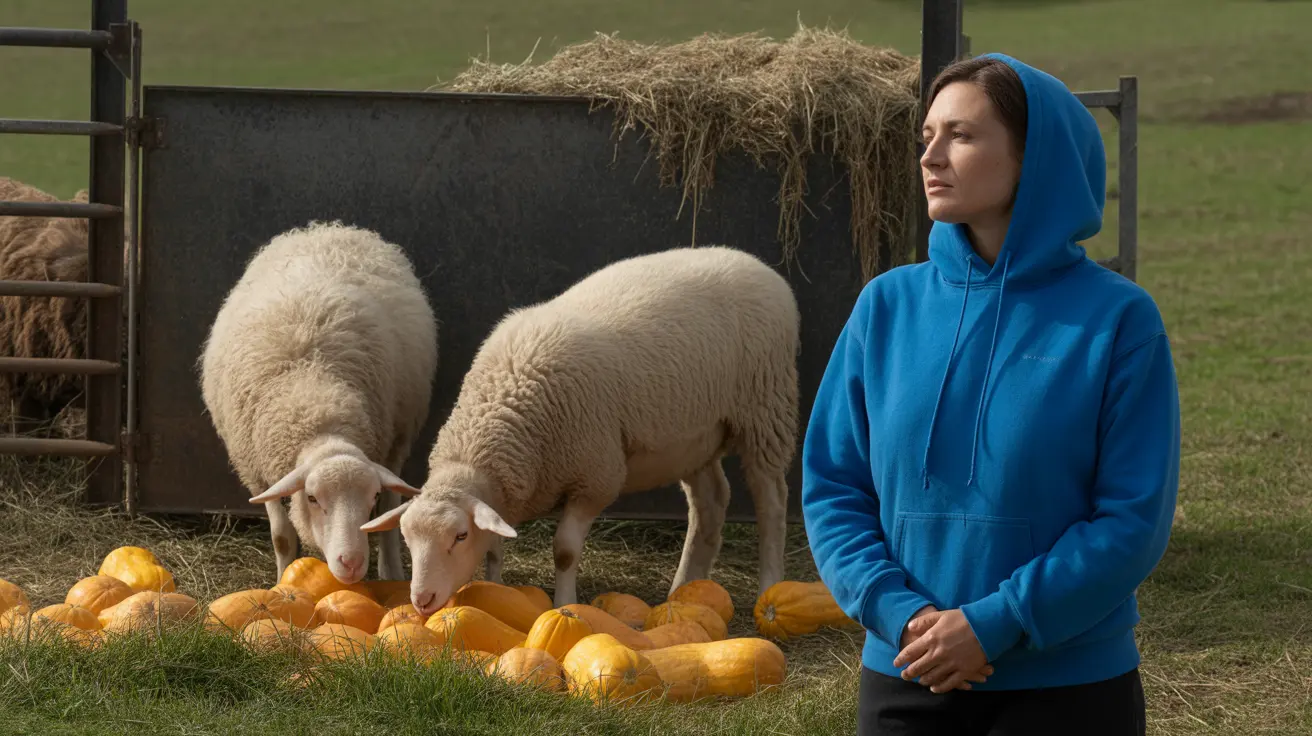
At Brookford Farm in Pittsfield, New Hampshire, 12-year-old Neviah Flanders discovered the joy of feeding sheep squash, creating a memorable moment that highlights the special bond between children and farm animals. This heartwarming scene showcases how educational farm programs can provide meaningful experiences for kids while teaching them about animal care and agriculture.
Farm visits like this one offer families unique opportunities to connect with nature and learn about responsible animal husbandry. When children feeding farm animals occurs in a supervised, educational setting, it creates lasting memories while fostering respect for animals and understanding of where food comes from.
The Magic of Farm Animal Interactions
Neviah's experience feeding squash to her favorite animals demonstrates the natural curiosity children have about farm life. Sheep, in particular, make excellent animals for children to interact with due to their generally gentle nature and willingness to accept treats from visitors.
Educational farm programs across New Hampshire and beyond recognize the value of these hands-on experiences. When properly supervised, feeding activities allow children to observe animal behavior up close while learning about proper nutrition and care practices.
Safe Animal Interactions for Children
Farm visits focused on sheep and animal interactions require careful planning to ensure safety for both children and animals. Responsible farms implement guidelines that protect everyone involved while maximizing the educational value of the experience.
Adult supervision is essential during any feeding activity. Children should be taught to approach animals calmly and quietly, avoiding sudden movements that might startle the animals. Proper hand hygiene before and after animal contact is also crucial for preventing the spread of bacteria or parasites.
Benefits of Agritourism for Families
Family farm experiences like those available at farms in Pittsfield and throughout New Hampshire offer numerous benefits beyond simple entertainment. Children develop empathy and responsibility through animal care activities, while also gaining appreciation for the work that goes into food production.
These educational opportunities help urban and suburban children understand the connection between farms and their daily lives. Many kids today have limited exposure to agricultural settings, making farm visits particularly valuable for broadening their perspective on animal welfare and environmental stewardship.
Feeding Farm Animals: What to Know
When visiting farms where vegetable feeding sheep is permitted, it's important to understand which foods are appropriate and safe. Squash, along with other approved vegetables, can be a healthy treat for sheep when offered in moderation. However, visitors should always follow farm guidelines and only offer foods that have been approved by farm staff.
Different farms have varying policies about what visitors can feed to animals. Some provide pre-approved treats, while others may allow certain vegetables under supervision. The key is following the farm's specific rules to ensure animal health and safety.
Creating Positive Learning Experiences
The success of programs like those at sheep farms in New Hampshire depends on creating positive, stress-free environments for both animals and visitors. Well-designed educational programs balance entertainment with learning, ensuring that children come away with greater understanding of animal care and agriculture.
Farms that specialize in agritourism often develop age-appropriate activities that engage children while teaching valuable lessons about responsibility, compassion, and the natural world. These experiences can spark lifelong interests in animal welfare, environmental conservation, or even agricultural careers.
Frequently Asked Questions
Why do sheep enjoy eating squash, and is it safe to feed them vegetables like this?
Sheep can safely eat squash and many other vegetables in moderation as treats. Squash provides vitamins and natural sweetness that sheep find appealing. However, these treats should supplement, not replace, their regular diet of hay, grass, and proper sheep feed. Always check with farm staff before offering any food to ensure it's approved and safe.
How can children safely interact with farm animals like sheep during visits?
Safe interactions require adult supervision, calm movements, and following farm guidelines. Children should wash hands before and after contact, approach animals slowly, and listen to farm staff instructions. Most farms provide orientation sessions to teach proper interaction techniques and safety rules before allowing direct animal contact.
What are the benefits of kids feeding animals at farms for their learning and development?
Farm animal interactions help children develop empathy, responsibility, and understanding of agriculture. These experiences teach kids where food comes from, how to care for animals responsibly, and the importance of treating all living creatures with respect. Many children also gain confidence through successfully completing feeding tasks under supervision.
Conclusion
Experiences like Neviah's at Brookford Farm demonstrate the profound impact that children feeding farm animals can have on young minds. These educational farm visits create connections between children and the natural world while teaching valuable lessons about animal care, responsibility, and agriculture.
For families seeking meaningful educational experiences, farm visits offer unique opportunities to step away from screens and technology while engaging with the natural world. The memories created during these visits often last a lifetime, fostering a deeper appreciation for animals and the important role farms play in our communities.




