
A Hadley man appeared in Hampshire Superior Court on Wednesday facing serious animal cruelty and wildlife possession charges following a major rescue operation at his property known as Cloa's Ark. The case has drawn attention to the critical importance of proper animal care standards and regulatory compliance for those operating animal sanctuaries or keeping exotic pets in Massachusetts.
The arraignment comes after authorities removed multiple animals from the property on January 7th, including cows that were reportedly found in emaciated condition. The MSPCA-Angell rescue operation highlights ongoing concerns about unregistered sanctuary operations and the welfare of animals in private care facilities across the state.
MSPCA-Angell Rescue Operation Details
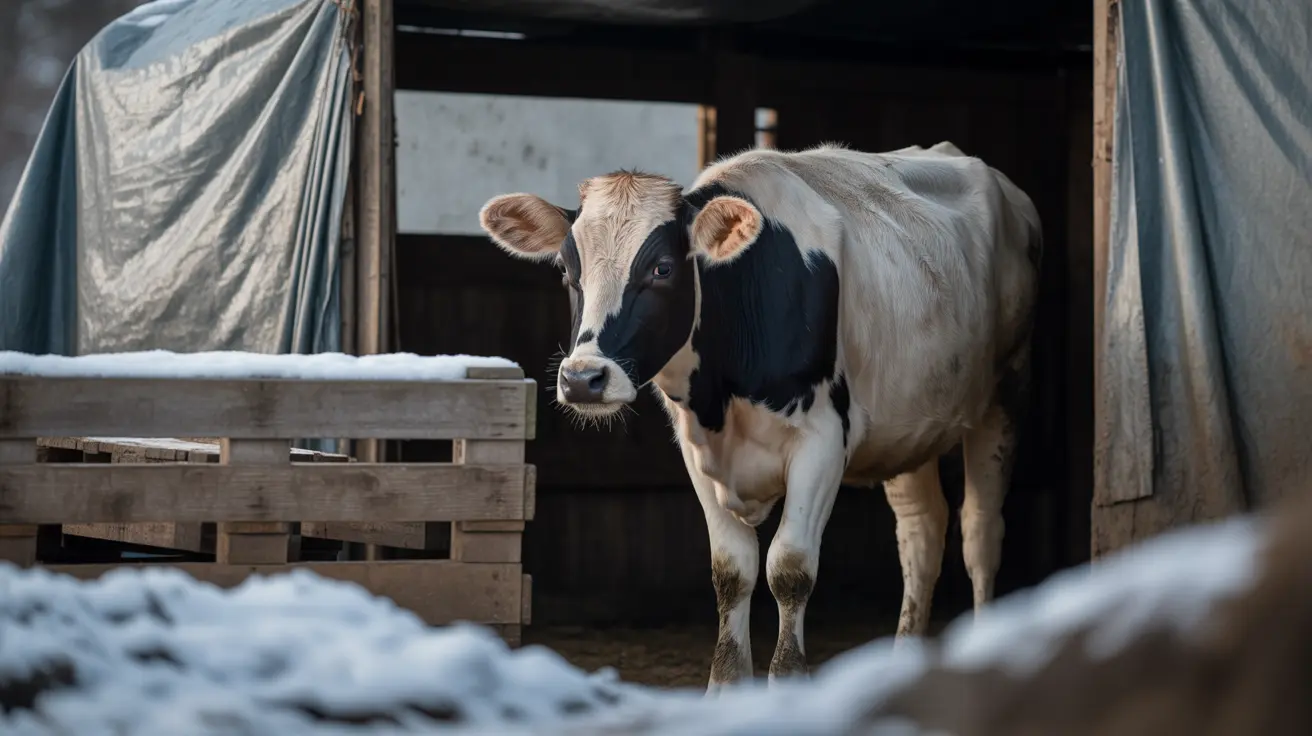
The rescue operation conducted by MSPCA-Angell on January 7th revealed concerning conditions at the Hadley property. Among the animals removed were cows showing signs of severe malnutrition and emaciation, raising serious questions about the care standards at what was operating as an animal sanctuary.
MSPCA-Angell, Massachusetts' leading animal welfare organization, coordinated the complex rescue effort to ensure the animals received immediate veterinary care and proper shelter. Such large-scale rescues require significant resources and coordination between multiple agencies to ensure animal safety during transport and placement.
Massachusetts Animal Cruelty Charges and Wildlife Violations
The charges against the Cloa's Ark owner include both animal cruelty violations and illegal wildlife possession. Massachusetts maintains strict regulations governing the care of domestic animals and even more stringent requirements for exotic species possession.
Wildlife permit requirements in Massachusetts are designed to protect both public safety and animal welfare. Unauthorized possession of exotic animals, including species like Patagonian mara, can result in serious legal consequences including fines and criminal charges.
Understanding Animal Sanctuary Laws in Massachusetts
Operating an animal sanctuary in Massachusetts requires proper licensing, regular inspections, and adherence to specific care standards. Unregistered sanctuary violations can lead to immediate animal seizure when welfare concerns arise.
Farm animal seizure operations typically occur when authorities receive reports of neglect or when routine inspections reveal substandard conditions. The legal framework prioritizes animal welfare while providing due process for property owners.
Livestock Mistreatment and Legal Consequences
Massachusetts animal cruelty charges carry significant penalties, particularly when multiple animals are involved or when the neglect results in severe suffering. The emaciated condition of the cows removed from the Hadley property suggests prolonged inadequate care.
Pet owners and sanctuary operators must understand that animal welfare laws apply equally to all species under their care. Regular veterinary check-ups, proper nutrition, adequate shelter, and clean water are fundamental requirements that cannot be compromised.
Preventing Animal Neglect at Sanctuaries
This case underscores the importance of proper oversight for animal care facilities. Legitimate sanctuaries typically maintain transparent operations with regular veterinary care, proper nutrition programs, and adequate staffing to meet animal needs.
Community members play a vital role in animal welfare by reporting suspected neglect or mistreatment. Early intervention can prevent animal suffering and help connect struggling caretakers with resources and support.
Frequently Asked Questions
What happened at Cloa's Ark sanctuary in Hadley, Massachusetts?
The owner of Cloa's Ark in Hadley was arraigned on animal cruelty and wildlife possession charges after MSPCA-Angell removed animals from the property on January 7th. The animals, including emaciated cows, were found in poor condition requiring immediate rescue intervention.
What animals were seized in the Cloa's Ark cruelty case?
Based on available information, cows were among the animals removed from the property, with reports indicating they were found in emaciated condition. The full scope of animals involved in the rescue operation has not been completely detailed in public records.
What are the charges against the Cloa's Ark owner and possible penalties?
The owner faces animal cruelty charges and wildlife possession violations in Hampshire Superior Court. Massachusetts animal cruelty convictions can result in fines, imprisonment, and permanent bans on animal ownership, with penalties increasing based on the severity and number of animals involved.
What are Massachusetts laws on possessing exotic wildlife like Patagonian mara?
Massachusetts requires specific permits for exotic wildlife possession, including species like Patagonian mara. Unauthorized possession is illegal and can result in criminal charges. The state maintains strict regulations to protect public safety and ensure proper animal care.
How can I report suspected animal neglect at a farm sanctuary?
Suspected animal neglect should be reported to local animal control, the MSPCA-Angell, or state authorities. Most organizations have 24-hour hotlines for reporting animal welfare concerns, and all reports are investigated to ensure animal safety and proper care standards.
Moving Forward
The Cloa's Ark case serves as a reminder that animal welfare must remain the top priority for anyone caring for pets, livestock, or exotic species. Whether operating a sanctuary or keeping pets at home, understanding and following proper care standards protects animals and prevents legal consequences.
As this case proceeds through the legal system, it reinforces the importance of supporting legitimate animal welfare organizations and maintaining vigilance in our communities to protect vulnerable animals from neglect and mistreatment.




