
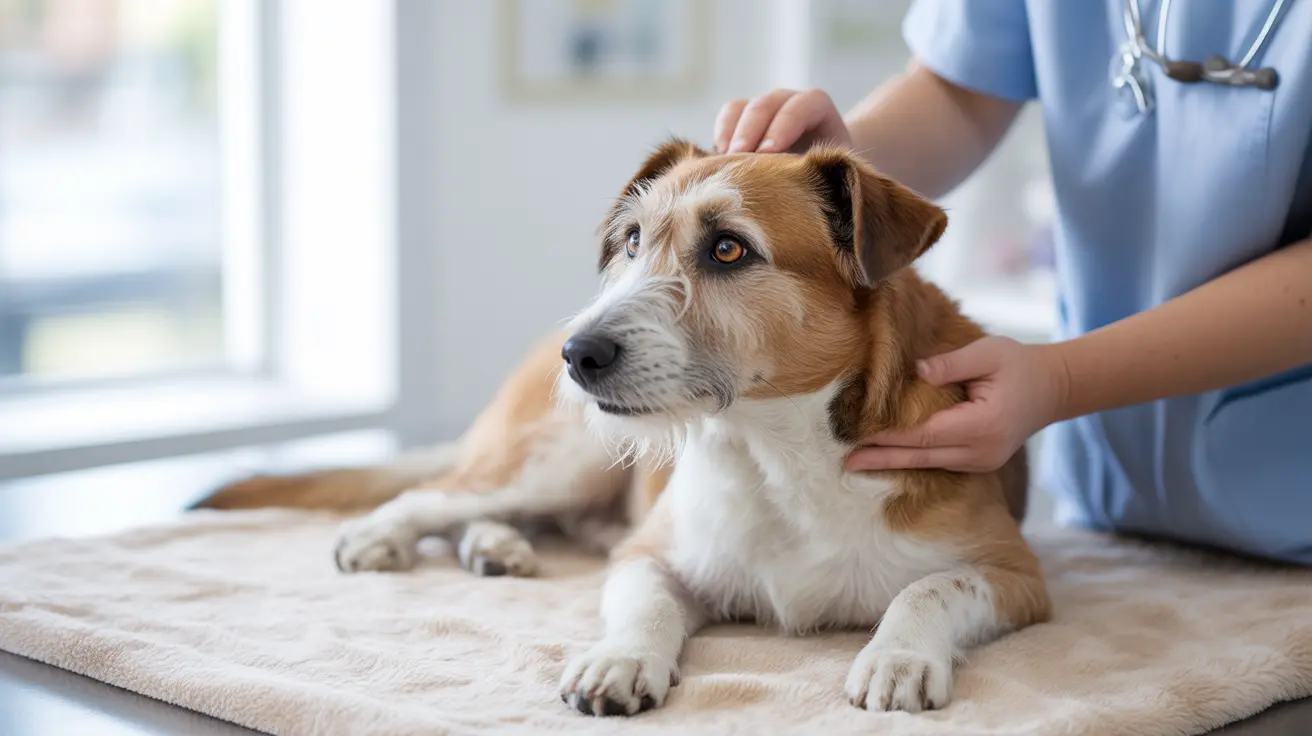
A disturbing case of animal neglect has emerged in Covington, Louisiana, where over a dozen malnourished dogs were rescued from deplorable conditions. Clinton Hathcox, 48, was arrested and booked into jail after authorities discovered the suffering animals at his residence on Barker Road, along with drugs and firearms, according to the St. Tammany Parish Sheriff's Office.
This incident highlights the urgent need for pet owners and community members to recognize the warning signs of animal neglect and understand how to take action when they suspect cruelty. The case also underscores the troubling connection between substance abuse and animal welfare violations that law enforcement officials encounter all too frequently.
Understanding Animal Neglect Signs in Dogs
Malnourishment in dogs presents clear physical and behavioral indicators that concerned neighbors and community members should learn to identify. Dogs suffering from severe neglect often display visible ribs, hip bones, and spine, along with a dull, brittle coat and lethargy. These animals may also exhibit desperate food-seeking behaviors, including eating garbage or non-food items.
Beyond the obvious physical symptoms, dog starvation symptoms include weakness, difficulty standing or walking, and a lack of interest in activities that would normally excite a healthy dog. Pet owners should understand that proper nutrition is fundamental to canine health, requiring balanced meals appropriate for the dog's age, size, and activity level.
The Connection Between Drug Use and Pet Neglect
Unfortunately, cases like this Covington incident often reveal a disturbing pattern where pet neglect drugs and substance abuse intersect. When individuals struggle with addiction, their ability to provide basic care for dependent animals frequently deteriorates. Animals in meth house pets situations face particular dangers from both neglect and exposure to toxic substances.
Drug-related animal neglect cases present unique challenges for law enforcement and animal welfare organizations. The combination of criminal activity and animal suffering requires coordinated responses from multiple agencies to ensure both human and animal safety.
How Communities Can Report Animal Cruelty
Recognizing when and how to report animal cruelty is crucial for protecting vulnerable animals. Community members who suspect neglect should document their observations with dates, times, and photographic evidence when safely possible. Most jurisdictions, including Louisiana, have dedicated hotlines for reporting suspected animal abuse.
When filing a report, provide specific details about the animals' condition, the property address, and any other relevant circumstances. Animal control officers and law enforcement agencies rely on these reports to investigate potential violations and remove animals from dangerous situations.
Recovery Process for Seized Dogs
Following rescue operations like the Covington dog rescue, seized dogs recovery involves comprehensive veterinary assessment and rehabilitation. Animals rescued from severe neglect require immediate medical attention, nutritional rehabilitation, and often behavioral support to address trauma from their experiences.
Veterinary teams typically conduct thorough examinations to assess the extent of malnutrition, identify underlying health issues, and develop individualized treatment plans. The recovery process can take weeks or months, depending on the severity of the neglect and the individual animal's response to treatment.
Animal Cruelty Laws in Louisiana
Animal cruelty charges Louisiana prosecutes include various levels of offenses, from simple neglect to aggravated animal cruelty. The state has strengthened its animal protection laws in recent years, recognizing the serious nature of these crimes and their connection to other forms of violence.
Louisiana law defines animal cruelty broadly, encompassing failure to provide adequate food, water, shelter, and veterinary care. Penalties can include fines, imprisonment, and prohibition from owning animals in the future. These legal consequences reflect growing societal recognition that animal welfare violations deserve serious attention from the justice system.
Frequently Asked Questions
What are the signs of malnourishment in dogs that pet owners should watch for?
Key indicators include visible ribs and hip bones, dull coat, lethargy, and desperate food-seeking behaviors. Healthy dogs should have adequate muscle mass covering their ribs and maintain energy for normal activities. Any sudden weight loss or changes in eating habits warrant immediate veterinary attention.
How can I report suspected animal neglect or cruelty in my neighborhood?
Contact your local animal control office, sheriff's department, or state animal welfare hotline. Provide specific details including the address, description of conditions, and photographic evidence when safely possible. Many jurisdictions allow anonymous reporting to protect concerned citizens.
What happens to dogs seized due to neglect, and how can I help with their recovery?
Seized animals receive immediate veterinary care and are typically placed in shelters or rescue organizations for rehabilitation. You can help by donating to local animal welfare groups, volunteering at shelters, or considering adoption once these animals are ready for new homes.
This Covington case serves as a sobering reminder that animal neglect remains a serious issue requiring community vigilance and prompt action. By understanding the warning signs and knowing how to report suspected cruelty, we can all play a role in protecting vulnerable animals in our communities.




