
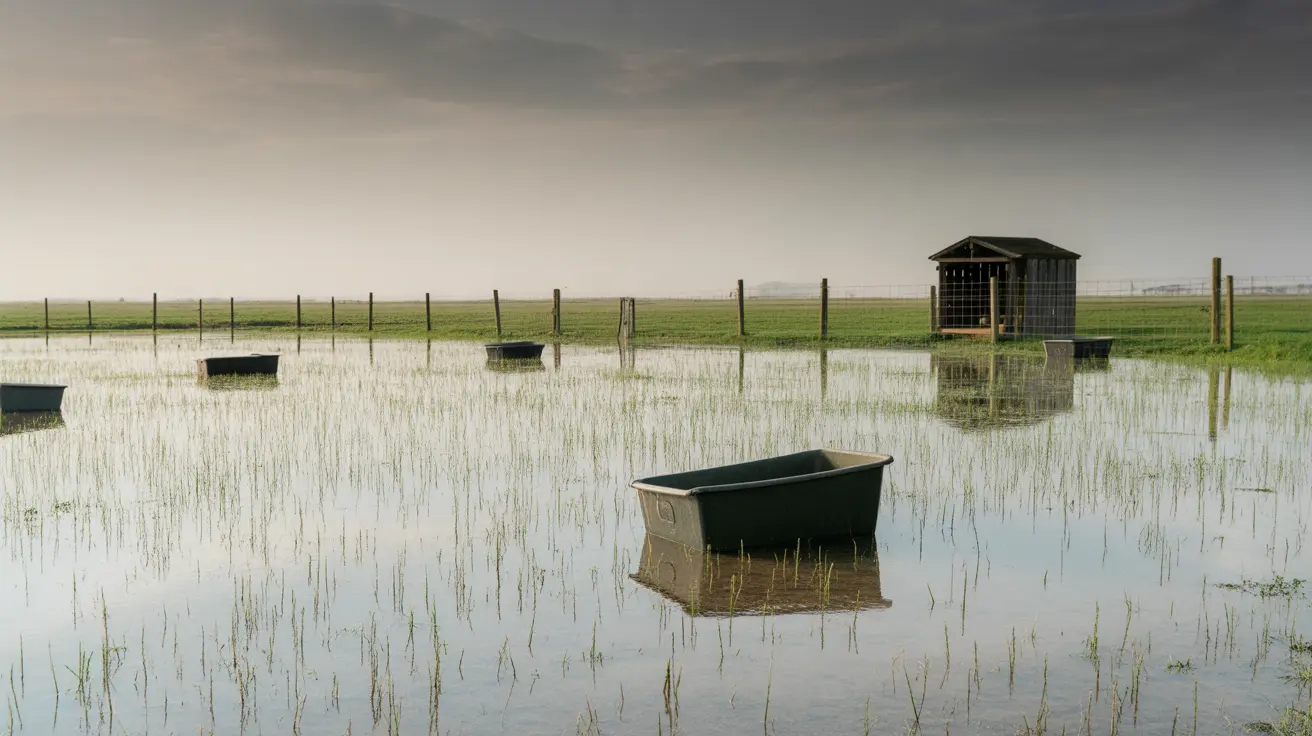
The Detroit Animal Welfare Group (DAWG) is facing a critical emergency this weekend following severe weather that caused significant roof leak and flooding damage to their northern Macomb County animal sanctuary. Heavy rains have created an urgent situation that threatens the safety and well-being of the many farm animals and horses under DAWG's care.
This devastating incident highlights the vulnerability that animal rescue organizations face during extreme weather events. For pet owners and animal lovers throughout Michigan, understanding how natural disasters impact local animal welfare groups underscores the importance of community support during crisis situations.
The flooding at DAWG's facility comes at a particularly challenging time for animal sanctuaries across the region, as many organizations are already operating with limited resources and volunteer support. When emergencies like this strike, the immediate focus shifts to ensuring animal safety while addressing infrastructure damage that could have long-term consequences for rescue operations.
Understanding the Impact of Animal Sanctuary Flooding
When an equine sanctuary flood damage occurs, the consequences extend far beyond simple property loss. Farm animals and horses require specialized shelter that protects them from the elements, and compromised facilities can create serious health and safety risks. Flooding can contaminate feed supplies, damage essential equipment, and create unsanitary conditions that threaten animal health.
DAWG roof leak and flooding issues are particularly concerning because they affect the organization's ability to provide adequate shelter for vulnerable animals. Rescue organizations typically house animals that may already be dealing with health issues or trauma from previous neglect or abuse, making them even more susceptible to environmental stressors.
The Challenges Facing Farm Animal Rescue Michigan Operations
Michigan animal welfare crisis situations like the one affecting DAWG demonstrate the ongoing challenges faced by rescue organizations throughout the state. These facilities often operate on tight budgets and rely heavily on community support to maintain their operations and care for animals in need.
Farm animal rescues have unique requirements compared to traditional pet shelters. They need larger facilities, specialized equipment, and staff trained in caring for livestock and horses. When natural disasters strike, the costs associated with repairs and emergency care can quickly overwhelm an organization's resources.
How Communities Can Support During Emergencies
When situations like the Macomb County animal rescue crisis arise, community response becomes crucial for ensuring continued animal care. There are several ways individuals can help during these emergency situations, from immediate assistance to long-term support.
- Emergency donations for flood relief pet sanctuary operations typically focus on immediate needs such as temporary shelter materials, feed supplies, and veterinary care.
- Organizations may also need cleaning supplies, tools for repairs, and equipment to remove water and debris from damaged areas.
Volunteer DAWG Cleanup and Support Efforts
Beyond financial contributions, volunteer support plays a vital role in disaster recovery for animal welfare organizations. Cleanup efforts often require significant manpower to assess damage, remove debris, and begin restoration work. Volunteers with construction skills, veterinary experience, or simply willing hands can make a substantial difference in recovery timelines.
When considering how to help DAWG animals during this crisis, potential volunteers should contact the organization directly to understand current needs and safety protocols. Emergency situations may limit volunteer access due to safety concerns or specific skill requirements for certain tasks.
Long-Term Considerations for Animal Sanctuary Recovery
Roof repair animal farm projects require specialized knowledge and materials to ensure structures can withstand future weather events. Quality repairs are essential for preventing recurring issues that could endanger animals and strain organizational resources further.
For organizations like DAWG, recovering from flooding involves not just immediate repairs but also planning for future resilience. This may include improving drainage systems, reinforcing structures, and developing emergency response protocols to better protect animals during severe weather events.
Frequently Asked Questions
How can I help DAWG after the flooding at their Macomb County farm?
Community members can assist DAWG through emergency donations, volunteer cleanup efforts, and by spreading awareness about their current needs. Contact the organization directly to learn about specific supplies needed and volunteer opportunities available during their recovery efforts.
What happened with the roof leak and flooding at DAWG's animal sanctuary?
Heavy rains caused significant roof leak and flooding damage to DAWG's northern Macomb County farm facility, creating an emergency situation that threatens the safety and care of their rescued farm animals and horses. The flooding has affected their ability to provide adequate shelter and care.
What supplies does DAWG need to protect farm animals and horses from flood damage?
During flooding emergencies, animal sanctuaries typically need temporary shelter materials, clean feed supplies, veterinary care resources, cleaning supplies for sanitization, and repair materials to address infrastructure damage. Contact DAWG directly for their specific current needs list.
Moving Forward Together
The crisis facing DAWG serves as a reminder of the vital role animal welfare organizations play in our communities and their vulnerability during natural disasters. Supporting these organizations during emergencies ensures they can continue their mission of providing safe havens for animals in need.
As DAWG works to recover from this flooding emergency, the response from the community will determine how quickly they can restore safe, comfortable conditions for the animals in their care. Every contribution, whether financial or volunteer-based, helps ensure that rescued animals continue to receive the protection and care they deserve.




