
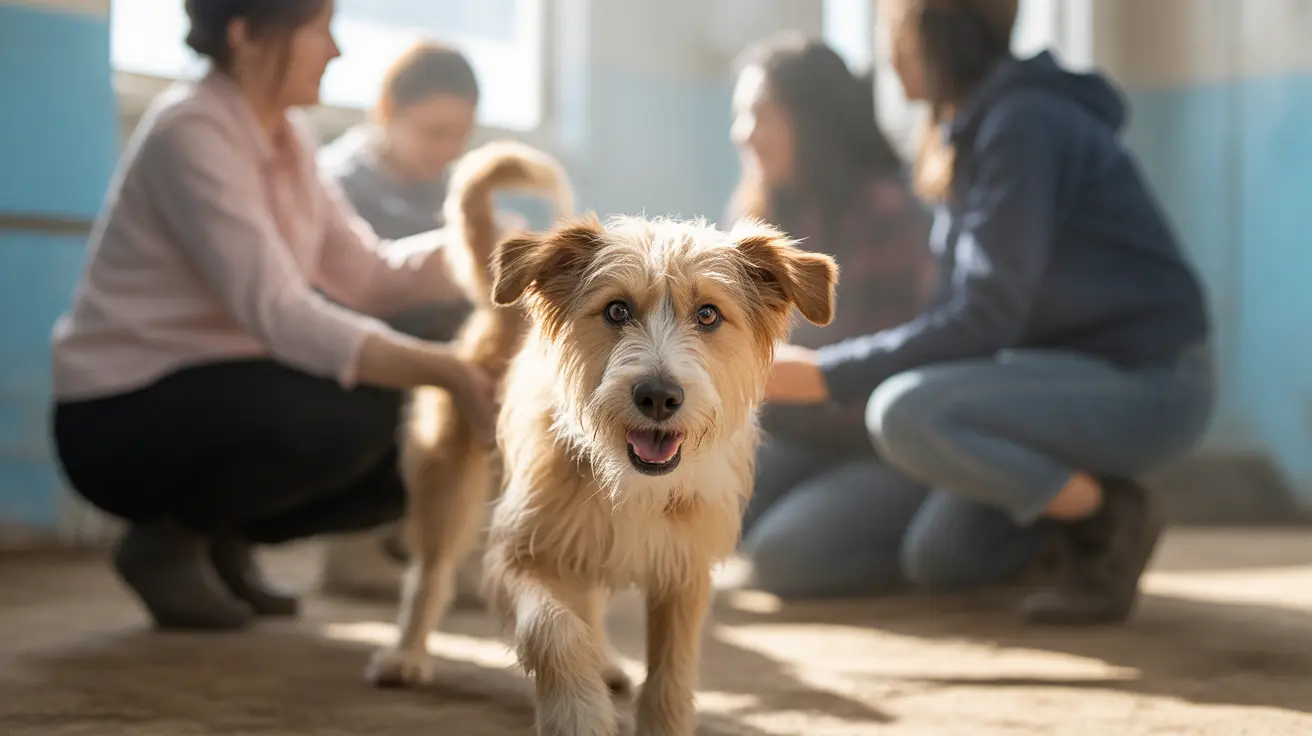
DeKalb County Animal Services is experiencing both challenges and triumphs in 2025, with shelter statistics revealing a complex picture of pet welfare in Georgia. While the DeKalb County animal shelter saw approximately a 7% increase in animals entering the facility, the community responded with remarkable generosity—driving a 23% increase in pet adoptions compared to the previous year.
These DeKalb County shelter statistics highlight both the growing pressures facing animal welfare organizations and the encouraging commitment of local families to provide loving homes for shelter pets. For pet parents and animal advocates in the region, these numbers underscore the critical importance of community involvement in addressing shelter capacity challenges.
Understanding the Shelter Intake Increase Georgia Trend
The 7% rise in animal intakes at DeKalb County's shelter reflects broader patterns affecting Georgia animal shelters 2025. Multiple factors typically contribute to increased shelter populations, including economic pressures on pet owners, housing instability, and seasonal variations in pet surrenders and stray animal captures.
When shelters experience higher intake numbers, it places additional strain on resources, staff, and available space. This situation makes community support through adoptions, fostering, and donations even more crucial for maintaining high standards of animal care.
DeKalb Pet Adoptions 2025: A Community Success Story
The impressive 23% increase in DeKalb pet adoptions 2025 demonstrates the power of community engagement in animal welfare. This significant rise in adoptions helps offset the challenges posed by increased intakes, creating more space and resources for incoming animals.
Successful adoption programs typically combine several key elements: effective marketing of available pets, streamlined adoption processes, community outreach events, and partnerships with local organizations. When communities rally around their local shelters, the results can be transformative for both animals and families.
The Impact on DeKalb Animal Services Adoptions
Higher adoption rates directly benefit DeKalb Animal Services adoptions by improving the shelter's live release rate—a key metric measuring the percentage of animals that leave the shelter alive through adoption, rescue transfers, or returns to owners. Strong adoption numbers contribute to better outcomes for shelter animals and help prevent animal shelter overcapacity Georgia situations.
Foster Programs and Community Support Solutions
Beyond direct adoptions, foster programs DeKalb shelter initiatives play a vital role in managing capacity challenges. Foster families provide temporary homes for animals who may need additional time, medical care, or socialization before becoming available for adoption.
Foster programs are particularly valuable for:
- Pregnant animals and nursing mothers with litters
- Young puppies and kittens requiring frequent care
- Animals recovering from medical procedures
- Pets needing behavioral rehabilitation
- Senior animals who benefit from quieter home environments
Supporting Spay Neuter Clinics DeKalb Initiatives
Preventive measures like accessible spay neuter clinics DeKalb programs help address the root causes of pet overpopulation. These services reduce the number of unplanned litters that may eventually end up in shelter systems, creating a positive long-term impact on intake numbers.
How to Adopt From DeKalb Shelter
Families interested in adoption should research the specific requirements and processes for their local facility. Most shelters require potential adopters to complete applications, meet with animals, and sometimes participate in brief interviews to ensure good matches between pets and families.
Many shelters also host adoption events Georgia-wide, providing opportunities for the community to meet available animals in relaxed, social settings that can help both pets and potential families feel more comfortable.
Frequently Asked Questions
Why did DeKalb County animal shelter intakes increase by 7% in 2025?
While specific factors weren't detailed in the reporting, shelter intake increases typically result from economic pressures affecting pet owners, housing challenges that limit pet-friendly options, and seasonal variations in stray animal populations. Multiple complex factors usually contribute to rising shelter numbers.
How did DeKalb County achieve a 23% rise in pet adoptions in 2025?
The significant increase in adoptions likely reflects successful community outreach, effective promotion of available animals, and strong local support for animal welfare. Successful adoption programs often combine multiple strategies including events, partnerships, and streamlined processes to connect pets with families.
How can I become a foster parent for DeKalb County Animal Services shelter pets?
Prospective foster families should contact DeKalb Animal Services directly to learn about their specific foster program requirements, training opportunities, and available support. Foster programs typically provide supplies, medical care, and guidance to help families succeed in providing temporary homes for shelter animals.
Moving Forward Together
The dual trends of increased intake and significantly higher adoptions at DeKalb County's shelter illustrate both the challenges and opportunities in animal welfare. While rising intake numbers require attention and resources, the community's strong adoption response demonstrates the positive impact of engaged, caring pet parents.
These statistics remind us that every adoption creates space for another animal in need, making each family's decision to adopt from DeKalb shelter a meaningful contribution to the broader animal welfare mission in their community.




