
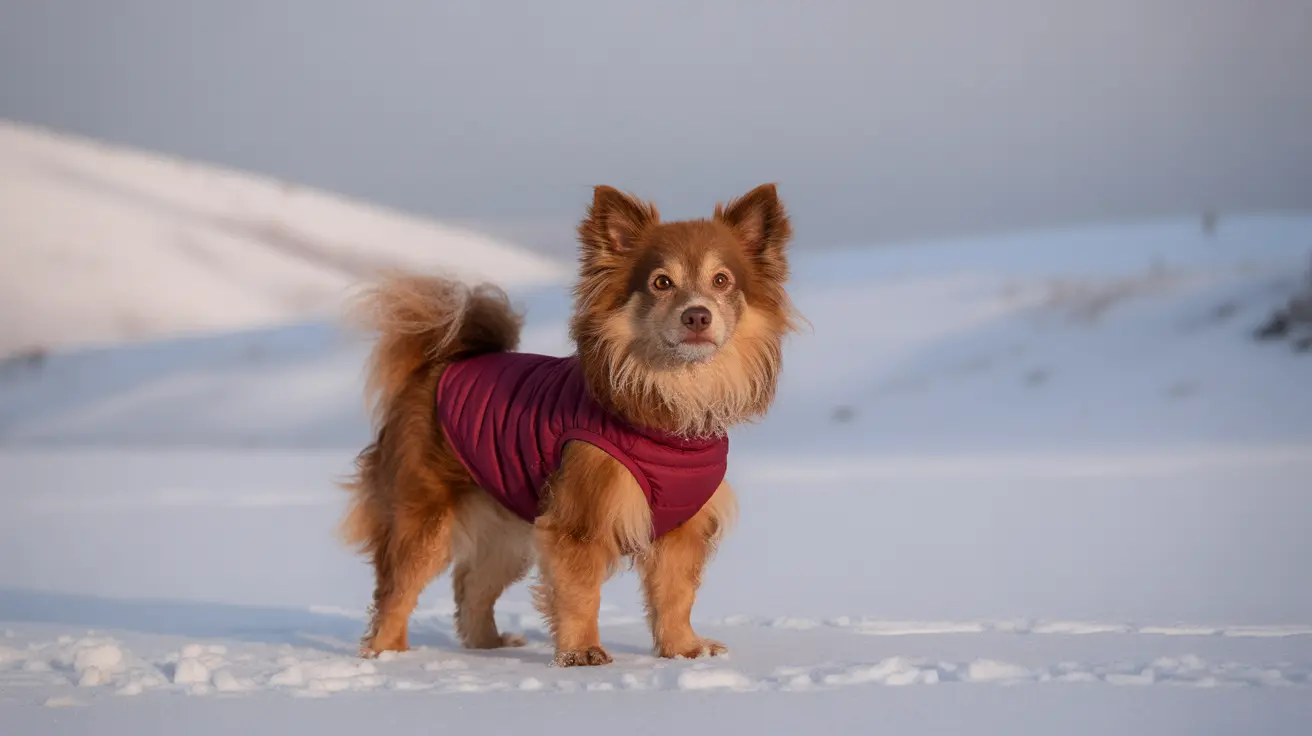
The West Midlands has been treated to a spectacular winter wonderland this week, and pet owners across the region have been capturing beautiful moments of their beloved animals enjoying the snowy conditions. From playful dogs bounding through fresh powder to other animals exploring their transformed surroundings, these heartwarming photos showcase the joy that winter weather can bring to our four-legged friends.
While these images of West Midlands snow dogs and other pets create picture-perfect moments, they also serve as an important reminder for pet parents to prioritize safety during winter weather conditions. Understanding how to protect your pets while still allowing them to enjoy the season is crucial for responsible pet ownership.
The Magic of Animals in the Snow Photos
Pet owners throughout the West Midlands have been sharing delightful snapshots of their animals experiencing the recent snowfall. These images capture the pure excitement and natural curiosity that many pets display when encountering winter weather, from dogs leaping through snow drifts to other animals cautiously investigating the white landscape around them.
These spontaneous moments remind us why taking pet photos in the snow has become such a beloved winter tradition. The contrast between furry coats and pristine white snow creates naturally stunning compositions that pet parents treasure for years to come.
Pet Safety in Snow and Ice: Essential Considerations
While the snowy scenes may look magical, winter weather presents unique challenges that require careful attention to ensure your pets remain safe and comfortable.
Walking Dogs in Winter UK: Best Practices
When venturing out for safe dog walks in snowy weather, preparation is key. Before heading outdoors, check the temperature and wind conditions to determine appropriate duration for your walk. Shorter, more frequent outings are often preferable to extended exposure in harsh conditions.
Consider your dog's breed, age, and coat thickness when planning winter activities. Some breeds thrive in cold weather, while others may require additional protection or shortened outdoor time.
Dog Paw Protection Road Salt and Ice Hazards
One of the most important aspects of winter care for dogs in the UK involves protecting their paws from harsh conditions. Road salt and ice-melting chemicals can cause irritation, cracking, and chemical burns to sensitive paw pads.
After each walk, thoroughly rinse and dry your dog's paws to remove any salt residue or ice particles that may have accumulated between their toes. Consider using pet-safe paw balms to create a protective barrier before outdoor excursions.
Tips for Walking Dogs on Ice and Snowy Surfaces
Navigating icy conditions requires extra caution for both pets and their owners. Choose routes with better traction when possible, and consider using dog booties for added protection and grip on slippery surfaces.
Maintain control of your dog on leash during winter walks, as snow can mask familiar scents and landmarks that help pets navigate their environment. This is especially important near frozen bodies of water, which may appear solid but could pose serious safety risks.
Cold Weather Safety for Pets Beyond Dogs
While dogs often receive the most attention during winter weather discussions, other pets also require special consideration during cold snaps.
Horse Care in Snow and Ice
Horses need access to adequate shelter, fresh water, and increased caloric intake during winter storms. Regular hoof care becomes even more critical when dealing with ice and snow accumulation.
Livestock Welfare in Winter Storms
Farm animals require additional feed, unfrozen water sources, and wind protection during severe weather events. Proper shelter and bedding help maintain body temperature and prevent cold-related health issues.
Frequently Asked Questions
How long can I safely walk my dog in snow and ice?
The duration depends on your dog's breed, size, and coat thickness. Generally, 15-30 minutes is sufficient for most dogs in freezing conditions. Watch for signs of discomfort like lifting paws, shivering, or reluctance to continue walking.
What should I do if my dog's paws are irritated by road salt?
Immediately rinse the paws with warm water and dry thoroughly. Apply a pet-safe paw balm to soothe irritation. If redness or swelling persists, consult your veterinarian for proper treatment recommendations.
Are there specific dog breeds that shouldn't be outside in snowy weather?
Short-haired breeds, small dogs, senior pets, and those with health conditions may need limited exposure to cold weather. Breeds like Chihuahuas, Greyhounds, and other thin-coated dogs often benefit from protective clothing and shorter outdoor sessions.
Embracing Winter Safely with Your Pets
The beautiful photos emerging from the West Midlands this week demonstrate that winter can be a magical time for pets and their families. By prioritizing safety while maintaining opportunities for enjoyment, pet owners can create lasting memories while keeping their beloved companions healthy and comfortable throughout the season.
Remember that every pet is unique, and what works for one animal may not be suitable for another. Pay attention to your pet's individual needs and comfort levels, and don't hesitate to adjust your winter routine accordingly.




