
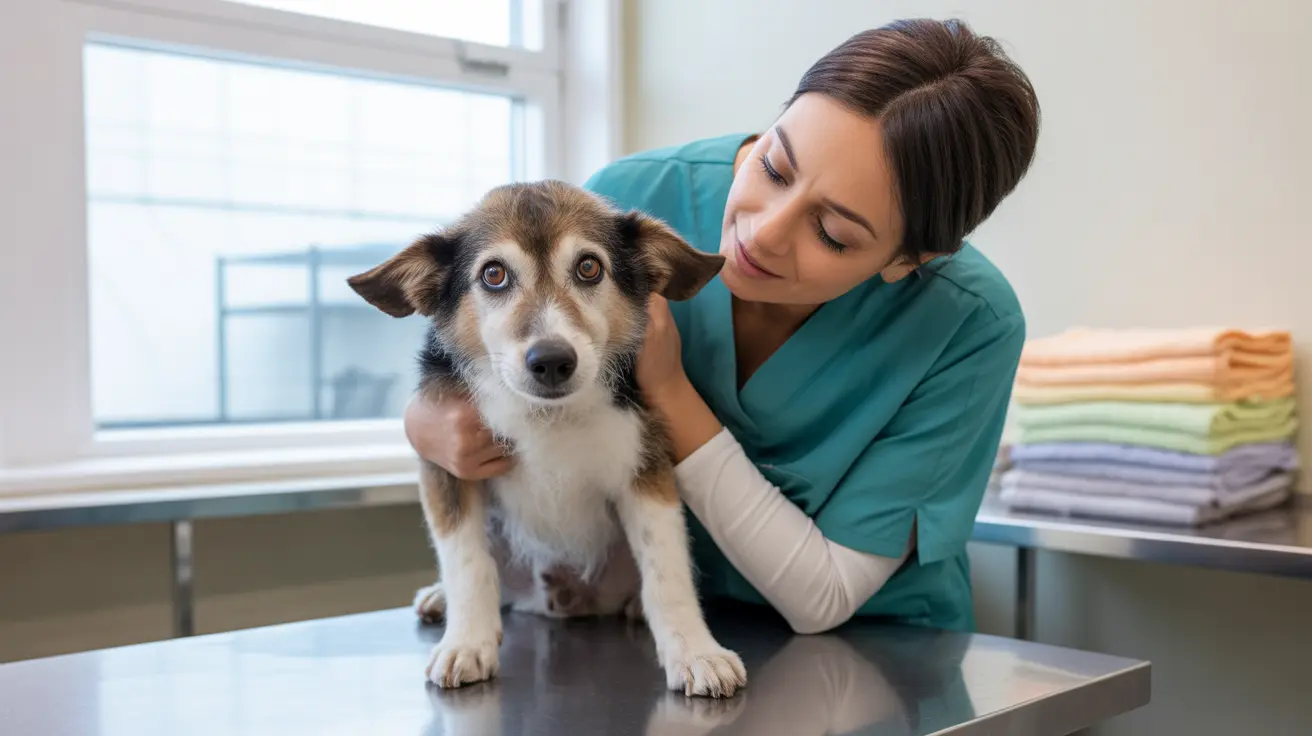
A shocking Greenville animal cruelty case has sent ripples through the community after authorities discovered 35 dead animals and rescued nearly 70 others from a single residence last month. The Greenville woman at the center of this tragedy is now facing multiple animal cruelty charges, highlighting the devastating consequences of severe animal neglect and hoarding situations.
This heartbreaking incident serves as a stark reminder of how quickly pet ownership can spiral into dangerous territory when proper care and oversight are absent. The scale of this case—with over 100 animals involved—represents one of the more severe examples of animal hoarding that authorities have encountered in the region.
Understanding the Greenville Animal Cruelty Case
The discovery at the Greenville home paints a grim picture of what can happen when animal collection becomes uncontrolled hoarding. With 35 animals found deceased and 70 requiring immediate rescue, this case exemplifies the tragic outcomes that result from severe animal neglect.
Animal cruelty charges in cases of this magnitude typically involve multiple felony counts, as each animal represents a separate potential charge. The rescued animals Greenville authorities removed from the property likely required immediate veterinary attention, rehabilitation, and specialized care to address the trauma and health issues resulting from their living conditions.
Signs of Animal Hoarding and Prevention
Animal hoarding situations often develop gradually, making them difficult to detect early. Pet owners and community members should be aware of warning signs that indicate a household may be struggling with animal care responsibilities.
Recognizing the Warning Signs
Signs of animal hoarding typically include an overwhelming number of pets in a single location, strong odors emanating from the property, animals that appear malnourished or sick, and living conditions that have deteriorated due to animal waste and overcrowding. Property owners may also become increasingly isolated and defensive about their animals' welfare.
How Pet Rescue Operations Work
When authorities respond to reports of animal cruelty or hoarding, pet rescue operations involve coordinating with multiple agencies. Veterinarians, animal control officers, and rescue organizations work together to assess each animal's condition, provide immediate medical care, and determine the best placement options for recovery and eventual adoption.
Animal Cruelty Laws and Penalties
Animal cruelty laws vary by state, but cases involving dozens of animals and resulting deaths typically carry severe penalties. Animal hoarding penalties can include substantial fines, jail time, and lifetime bans on pet ownership. The legal system treats each animal as a separate victim, meaning charges can quickly multiply in large-scale cases.
These hoarding case details serve as important precedents for how the justice system handles severe animal neglect. Courts often consider factors such as the number of animals involved, their condition, and whether any animals died as a result of the neglect when determining sentences.
Supporting Animal Welfare in Communities
Community awareness plays a crucial role in preventing animal cruelty situations from escalating. Neighbors, friends, and family members who notice concerning signs should report their observations to local animal control authorities or law enforcement agencies.
For pet owners, maintaining appropriate veterinary care, ensuring adequate space and resources for each animal, and honestly assessing one's capacity to provide proper care are essential responsibilities. When pet ownership becomes overwhelming, seeking help early can prevent tragic outcomes like those seen in severe animal neglect cases.
Frequently Asked Questions
- What are the signs of animal hoarding in a home?
Key warning signs include excessive numbers of animals, strong odors, animals appearing malnourished or sick, deteriorating property conditions, and owners becoming defensive about their pets' welfare. Properties may also show signs of damage from animal waste and overcrowding.
- How many animals were rescued in the Greenville animal cruelty case?
Authorities rescued nearly 70 animals from the Greenville home, while 35 animals were found deceased. This brings the total number of animals involved in the case to over 100.
- What happens to rescued animals after a hoarding incident?
Rescued animals typically receive immediate veterinary care to address health issues, undergo behavioral rehabilitation if needed, and are eventually placed in foster homes or made available for adoption through local animal shelters and rescue organizations.
Moving Forward: Lessons for Pet Owners
The Greenville animal cruelty case serves as a sobering reminder that pet ownership carries significant responsibilities. Every animal deserves adequate food, water, shelter, veterinary care, and human companionship. When these basic needs cannot be met, seeking assistance from local animal welfare organizations is not only responsible—it can be life-saving.
As this case moves through the legal system, it reinforces the importance of community vigilance and the serious consequences that await those who fail in their duty to provide proper animal care. For pet owners everywhere, it's a call to honestly evaluate whether they can provide the quality of life every animal deserves.




