
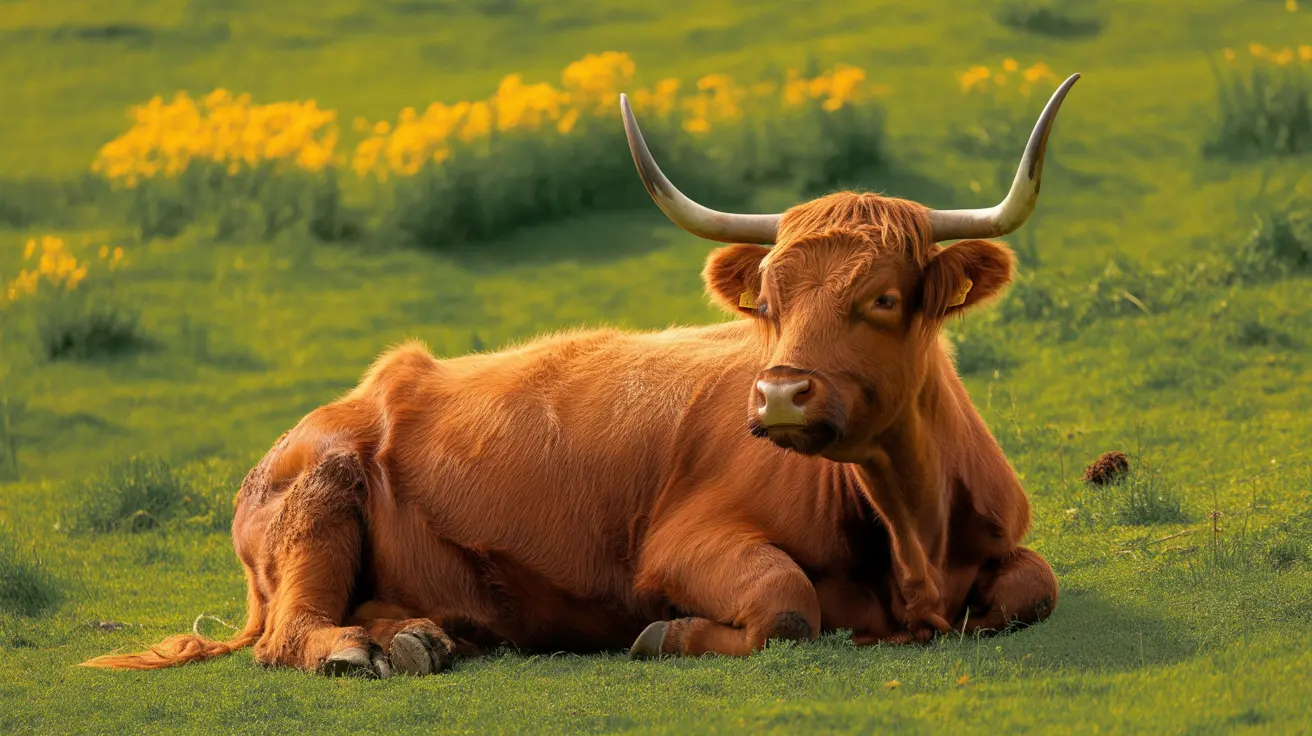
A beloved herd of Highland cattle has been relocated from their traditional grazing grounds after mounting concerns over animal welfare Highland cattle faced due to an unprecedented surge in tourism. The pressure on these iconic Scottish animals has reached unsustainable levels, forcing farm owners to make the difficult decision to move the cattle to protect their wellbeing.
This situation highlights a growing challenge in Highland cattle tourism, where the desire to capture the perfect selfie with these majestic, shaggy-haired animals has created serious implications for both animal welfare and sustainable farming practices. The incident serves as a crucial reminder for pet owners and animal lovers about the importance of respecting wildlife boundaries and understanding the impact of human interaction on livestock.
The Growing Challenge of Highland Cattle Tourism
Highland cattle, with their distinctive long hair and gentle temperament, have become increasingly popular attractions for tourists seeking authentic Scottish experiences. However, the surge in visitor numbers has created significant stress for these animals, who require peaceful environments to thrive in their natural habitat.
The situation demonstrates how overtourism management has become a critical issue for farms and rural communities. When animals become overwhelmed by constant human presence, their natural behaviors can be disrupted, leading to stress-related health problems and compromised welfare standards.
Understanding Animal Welfare Highland Cattle Needs
Highland cattle are hardy animals, but they still require specific conditions to maintain their health and wellbeing. These include adequate space for grazing, minimal stress from external factors, and respect for their natural behavioral patterns. When these needs are compromised by excessive human interaction, the animals' welfare becomes a primary concern.
For pet owners, this situation offers valuable lessons about animal stress signals and the importance of creating safe environments for all animals, whether domesticated pets or farm livestock. Understanding an animal's need for personal space and quiet time is fundamental to responsible animal care.
Sustainable Farming Practices and Tourism Balance
The relocation of these Highland cattle underscores the complex relationship between agriculture and tourism. Sustainable farming practices require careful consideration of how external pressures affect livestock welfare and farm operations. Farmers must balance economic opportunities from tourism with their primary responsibility to ensure animal health and wellbeing.
This challenge extends beyond Highland cattle to many forms of agritourism where animals are involved. Successful programs require clear boundaries, visitor education, and strict adherence to animal welfare standards that prioritize the animals' needs over tourist demands.
Cattle Conservation and Responsible Interaction
Highland cattle conservation efforts depend partly on maintaining healthy, stress-free populations that can continue their traditional role in Scottish agriculture and landscape management. When tourism pressures threaten these populations, conservation goals can be compromised.
The incident serves as an important case study for developing better guidelines for animal-tourist interactions. Responsible wildlife and livestock viewing requires maintaining appropriate distances, avoiding disruptive behaviors, and respecting the animals' natural environment.
Rural Tourism Impact on Local Communities
The effects of this situation extend beyond the animals themselves to impact rural communities that depend on both farming and tourism for their livelihoods. Finding sustainable solutions requires collaboration between farmers, tourism operators, and visitors to create systems that protect animal welfare while supporting local economies.
For communities facing similar challenges, this case highlights the importance of proactive planning and visitor education to prevent situations where animal welfare is compromised by tourism pressures.
Frequently Asked Questions
What are the main challenges of Highland cattle tourism?
The main challenges include managing overtourism, ensuring animal welfare, preventing habitat degradation, and balancing tourism with sustainable farming practices.
How does overtourism affect Highland cattle and their habitats?
Overtourism can lead to habitat disturbance, stress on cattle, and environmental degradation, which can compromise animal welfare and the sustainability of local ecosystems.
What measures can be taken to improve animal welfare in Highland cattle tourism?
Implementing strict visitor guidelines, providing adequate grazing space, ensuring proper veterinary care, and educating tourists about respectful interaction help enhance animal welfare.
Why is sustainable tourism important for Highland cattle farming?
Sustainable tourism helps preserve the natural environment, maintains the health and wellbeing of the cattle, and supports the long-term viability of local communities.
Are Highland cattle suitable for tourism activities?
Yes, Highland cattle are generally gentle and suitable for tourism if their living conditions are managed properly, with attention to welfare and habitat preservation.
Moving Forward Responsibly
The relocation of these Highland cattle represents both a loss and an opportunity for learning. While disappointing for tourists who enjoyed seeing these magnificent animals, the decision prioritizes animal welfare and sets an important precedent for responsible tourism practices.
This situation reminds us that all animals, whether pets or livestock, deserve respect and protection from unnecessary stress. As animal lovers and responsible citizens, we must support practices that put animal welfare first while finding sustainable ways to appreciate and learn from these remarkable creatures.




