
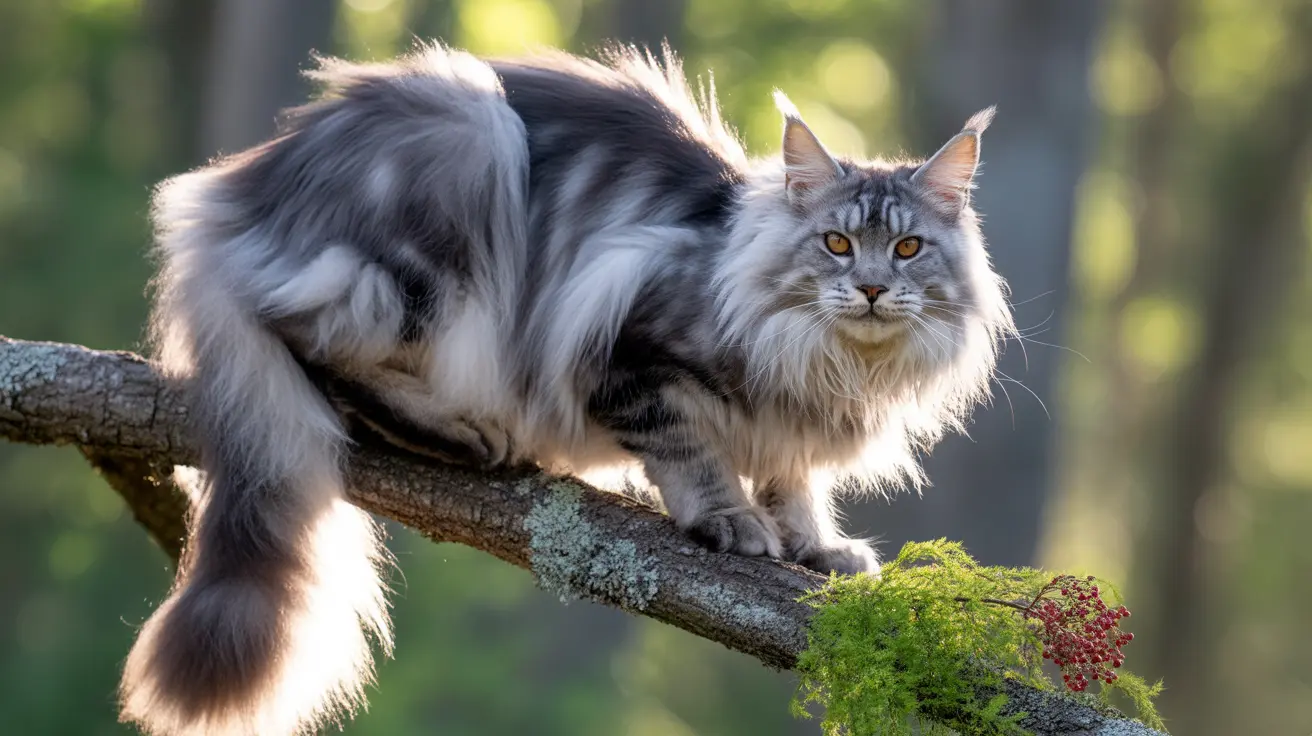
In this expanded guide, we’ll explore the most notable long-tailed cat breeds, the biological and behavioral reasons behind tail length, and how tail care contributes to feline health. We’ll also discuss how tail length influences communication and agility, offering insights into what makes these cats so distinctive. Whether you’re a cat enthusiast, breeder, or simply curious about feline anatomy, this guide provides a detailed look at the beauty and function of long-tailed cats.
The Function and Significance of a Cat’s Tail
A cat’s tail is far more than a decorative feature—it’s a vital part of its anatomy. Composed of 19 to 23 vertebrae, the tail acts as an extension of the spine, providing balance during jumps, turns, and climbs. When a cat walks along a narrow surface or leaps from one perch to another, its tail acts as a counterweight, helping it maintain equilibrium. This is especially important for breeds with long, slender bodies, where coordination and balance are essential to their natural grace.
Beyond balance, tails are also a key communication tool. Cats use subtle tail movements to express emotions ranging from curiosity to irritation. A gently swaying tail may indicate contentment, while a puffed-up tail signals fear or aggression. Long-tailed breeds often display these signals more dramatically, making their moods easier to read. Understanding these cues can strengthen the bond between cat and owner, allowing for more responsive and empathetic care.
Interestingly, tail length can also influence a cat’s agility and hunting style. Breeds with longer tails tend to be more adept climbers and jumpers, using their tails to fine-tune midair adjustments. This natural advantage has made long-tailed cats particularly skilled at navigating complex environments, whether in the wild or within a multi-level home filled with furniture and cat trees.
Popular Long-Tailed Cat Breeds
Several cat breeds are celebrated for their exceptionally long tails, each with its own unique charm and personality. These breeds not only stand out visually but also exhibit behaviors and temperaments that complement their physical traits. Below are some of the most admired long-tailed breeds recognized by feline associations and enthusiasts worldwide.
- Oriental Longhair: Known for its sleek body and plume-like tail, this breed combines elegance with intelligence. Its tail often matches the length of its body, enhancing its graceful silhouette.
- Somali: Often described as the “fox cat,” the Somali boasts a lush, bushy tail that complements its vibrant coat. Energetic and affectionate, it thrives on interaction and play.
- Maine Coon: One of the largest domestic breeds, the Maine Coon’s tail is long, thick, and heavily furred—an adaptation to cold climates. It uses its tail for warmth and balance during outdoor adventures.
- Balinese: A long-haired relative of the Siamese, the Balinese features a silky coat and a long, tapering tail. Its expressive nature and vocal personality make it a lively companion.
- Abyssinian: Sleek and athletic, the Abyssinian’s tail is proportionally long and slender, aiding its agility. This breed is curious, intelligent, and loves to explore high places.
Each of these breeds demonstrates how tail length can enhance both appearance and function. From the Maine Coon’s majestic plume to the Oriental Longhair’s elegant taper, these cats embody the diversity of feline evolution. Their tails not only serve practical purposes but also contribute to their overall aesthetic appeal, making them favorites among cat lovers who appreciate both beauty and athleticism.
Care and Maintenance for Long-Tailed Cats
Owning a long-tailed cat requires a bit of extra attention to grooming and health. The tail, especially when covered in long fur, can easily collect dust, debris, or tangles. Regular brushing helps prevent matting and keeps the fur smooth and clean. For breeds like the Maine Coon or Somali, using a wide-toothed comb or soft-bristle brush several times a week is ideal. This not only maintains the tail’s appearance but also provides an opportunity to check for any signs of injury or irritation.
Tail injuries, though uncommon, can occur if the tail is accidentally caught or pulled. Because the tail contains sensitive nerves, even minor trauma can cause discomfort or affect mobility. Owners should handle their cats gently, avoiding rough play that might strain the tail. If a cat shows signs of pain, swelling, or unusual posture, a veterinarian should examine it promptly to rule out fractures or nerve damage.
In addition to grooming and safety, tail health can be supported through proper nutrition and exercise. A balanced diet rich in protein and omega fatty acids promotes strong muscles and a glossy coat. Encouraging climbing and play helps long-tailed cats use their tails naturally, keeping them flexible and strong. These small but consistent care habits ensure that the tail remains both beautiful and functional throughout the cat’s life.
Behavioral Insights: What a Long Tail Reveals
The tail serves as a window into a cat’s emotions and intentions. Long-tailed breeds, with their expressive range of motion, often communicate more vividly through tail language. A raised tail typically signals confidence or friendliness, while a low or tucked tail may indicate fear or submission. When a cat’s tail quivers slightly, it can be a sign of excitement or affection, especially during greetings or playtime. Observing these subtle movements helps owners interpret their cat’s mood and respond appropriately.
Tail behavior also plays a role in social interactions among cats. In multi-cat households, tail positions can determine hierarchy or signal peace offerings. A gently curved tail may invite play, while a flicking tail can warn others to keep their distance. Understanding these signals reduces misunderstandings and helps maintain harmony among feline companions.
Moreover, the tail contributes to a cat’s overall body language during hunting or play. When stalking prey or toys, a cat’s tail often remains low and steady, aiding concentration. During a chase, it acts as a rudder, allowing quick directional changes. These behaviors highlight how deeply integrated the tail is with a cat’s instincts and physical coordination, making it one of the most expressive and essential parts of feline anatomy.
Celebrating the Elegance of Long-Tailed Cats
Long-tailed cat breeds embody a perfect blend of beauty, balance, and expressiveness. Their tails are not merely ornamental but serve crucial roles in communication, agility, and emotional expression. From the luxurious plume of the Maine Coon to the sleek taper of the Oriental Longhair, each breed showcases a unique adaptation shaped by nature and selective breeding. For cat enthusiasts, understanding the significance of tail length deepens appreciation for these remarkable animals and enhances the care they receive.
Whether admired for their aesthetic grace or studied for their biological function, long-tailed cats remind us of the intricate design behind every feline feature. Their tails tell stories of evolution, emotion, and elegance—making them truly unforgettable companions in the world of domestic pets.
FAQ
Why do some cat breeds have longer tails than others?
Tail length in cats is influenced by genetics and evolutionary adaptation. Breeds that evolved in open or arboreal environments often developed longer tails to aid balance and agility. Selective breeding has also played a role, with breeders favoring certain physical traits for aesthetic or functional reasons. For example, the Somali and Balinese were bred for their elegant, flowing tails that complement their graceful movements. In contrast, breeds like the Manx have naturally short or absent tails due to specific genetic mutations. Thus, tail length reflects both natural selection and human preference.
Are long-tailed cats more agile than short-tailed ones?
Generally, cats with longer tails have a slight advantage in balance and coordination, especially during climbing or jumping. The tail acts as a counterweight, helping them make precise movements and land safely. However, agility also depends on muscle tone, body structure, and experience. Some short-tailed breeds, such as the Japanese Bobtail, are still remarkably agile despite their shorter appendages. While tail length contributes to balance, it is only one factor among many that determine a cat’s overall athletic ability.
Do long-tailed cats require special grooming?
Yes, particularly if the cat has a long or dense coat. The tail can easily accumulate tangles, dirt, or loose fur, especially in breeds like the Maine Coon or Somali. Regular brushing—two to three times a week—keeps the tail clean and prevents matting. Using a gentle brush or comb suited to the cat’s fur type is recommended. Grooming also provides an opportunity to check for injuries or parasites. Short-haired long-tailed breeds, such as the Abyssinian, require less maintenance but still benefit from occasional brushing to remove dead hair and stimulate skin health.
Can a cat’s tail length indicate its mood or personality?
While tail length itself doesn’t determine personality, it can enhance how expressively a cat communicates. Cats use their tails to signal emotions—confidence, curiosity, fear, or irritation. Long-tailed cats often display these signals more visibly, making their moods easier to interpret. For instance, a high, upright tail suggests friendliness, while a twitching tip may indicate excitement or mild annoyance. Observing tail movements helps owners understand their cat’s emotional state and respond appropriately, strengthening the human-animal bond.
What should I do if my cat injures its tail?
If you suspect a tail injury—such as swelling, drooping, or sensitivity—seek veterinary attention immediately. The tail contains many nerves and blood vessels, so even minor injuries can cause significant discomfort. Avoid handling the tail until a professional has examined it. Treatment may involve rest, pain management, or, in severe cases, surgery. Preventing tail injuries involves gentle handling, avoiding doors or furniture that could trap the tail, and supervising interactions with children or other pets. Prompt care ensures a full recovery and prevents long-term complications.
Are long-tailed cats more prone to health problems?
Tail length alone does not cause health issues, but long-haired breeds may face grooming-related challenges. Mats or tangles can lead to skin irritation if not properly maintained. Additionally, because the tail is an extension of the spine, injuries can affect mobility or nerve function. Regular grooming, careful handling, and routine veterinary checkups minimize these risks. Overall, long-tailed cats are as healthy as any other breed when given proper care, nutrition, and attention to hygiene.
Do long-tailed cats use their tails differently than short-tailed ones?
Yes, long-tailed cats often have a wider range of motion and use their tails more dynamically. They rely on their tails for balance during jumps, quick turns, and climbing. In communication, their longer tails allow for more expressive gestures, making their moods easier to read. Short-tailed cats, on the other hand, compensate with body posture and ear movements. Both types are equally adept at expressing themselves, but long-tailed cats tend to display more fluid and noticeable tail movements during daily activities.
Which long-tailed breed is best for families?
The Maine Coon is often recommended for families due to its gentle temperament and adaptability. Despite its large size and long, bushy tail, it is affectionate, patient with children, and enjoys interactive play. The Balinese and Somali are also excellent choices for active households, as they are social, intelligent, and thrive on companionship. When choosing a breed, consider not only appearance but also personality, grooming needs, and energy levels to ensure a harmonious match with your family’s lifestyle.
Can tail length change as a cat grows?
Yes, kittens are born with proportionally shorter tails that lengthen as they mature. By the time a cat reaches full adulthood—usually around one year old—the tail has reached its permanent length. Growth rate can vary slightly depending on breed and genetics. While the tail continues to develop muscle tone and coordination over time, its length remains stable once maturity is reached. Regular exercise and proper nutrition during growth stages help ensure healthy tail development and overall physical balance.
How can I photograph my cat’s long tail effectively?
Capturing the beauty of a long-tailed cat requires attention to lighting, angle, and movement. Natural light enhances fur texture and color, while side or back angles emphasize the tail’s length and flow. Encourage your cat to move naturally—stretching, walking, or playing—so the tail appears dynamic rather than posed. Using a fast shutter speed helps freeze motion without blur. Patience is key; cats rarely hold still for long, but spontaneous shots often reveal their true elegance and personality.




