
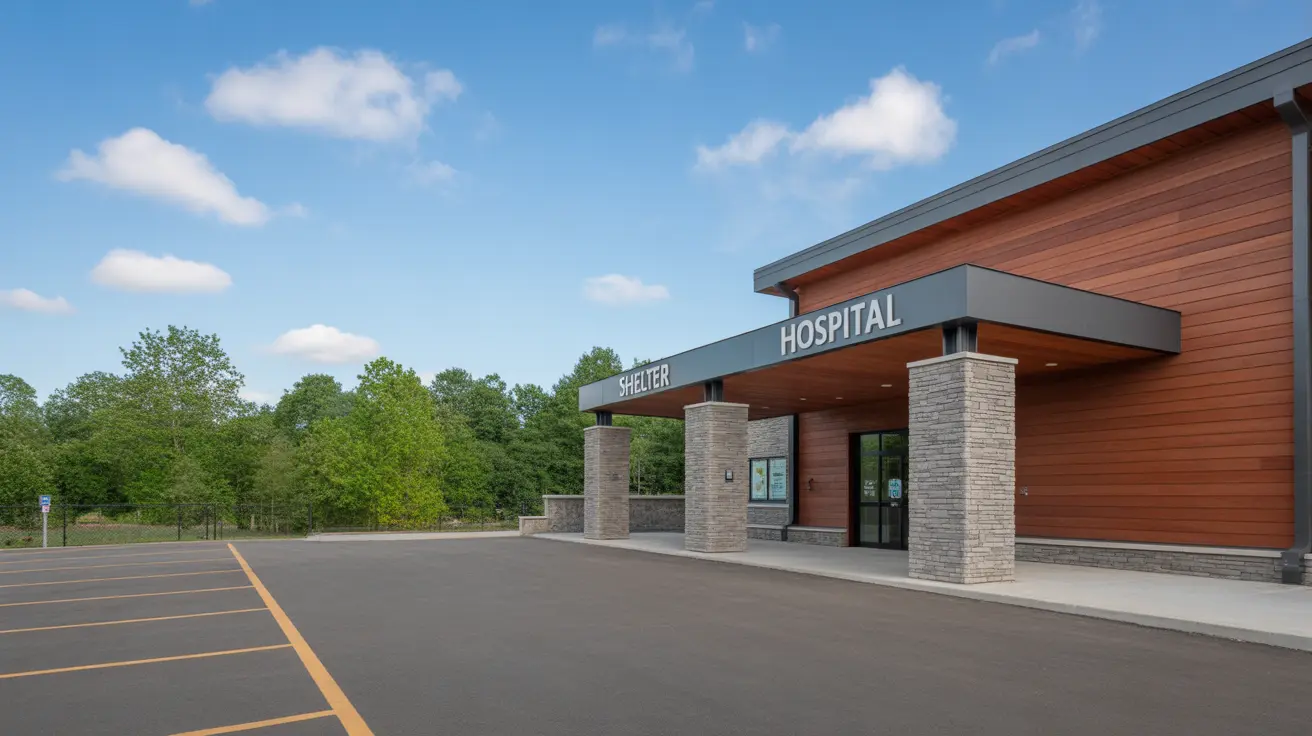
Animal shelters across Massachusetts, including the Lowell Humane Society, are experiencing unprecedented challenges as they grapple with overcrowding and increased pet surrenders following the pandemic era. While many families welcomed pets during lockdowns, changing circumstances have led to a surge in animals needing new homes, creating an urgent need for community support and intervention.
The situation has become so critical that many shelters are implementing emergency measures, including fee-waived adoption events and expanded volunteer programs. This crisis affects not just the animals awaiting homes, but also the dedicated staff and volunteers working tirelessly to provide care and find loving families for these deserving pets.
Understanding the Post-Pandemic Pet Surrender Crisis
The pandemic initially sparked a pet adoption boom as families sought companionship during isolation. However, as life returned to normal, many pet owners faced unexpected challenges including housing restrictions, financial difficulties, and lifestyle changes that made pet ownership difficult to maintain.
Massachusetts shelter overcrowding has reached critical levels, with facilities struggling to accommodate the influx of surrendered animals. This situation requires immediate community action to prevent overcrowding from compromising animal welfare and shelter operations.
How Lowell Area Residents Can Make a Difference
Pet Adoption Opportunities in Lowell
The most direct way to help is through pet adoption Lowell shelters desperately need. Many shelters are offering special adoption incentives, including reduced fees and comprehensive support packages for new pet parents. These initiatives make it easier for qualified families to welcome a rescue animal into their homes.
Volunteer at Animal Shelter Lowell Programs
Volunteering provides crucial support that allows shelters to operate effectively. Opportunities range from dog walking and cat socialization to administrative tasks and special event assistance. Even a few hours per week can significantly impact shelter operations and animal welfare.
Foster Animals Lowell Initiative
Foster care provides temporary homes for animals who may be too young for adoption, recovering from medical procedures, or simply need a break from shelter life. Foster families receive training, supplies, and ongoing support while providing invaluable care that frees up shelter space.
Essential Support Services for Animal Welfare
Spay Neuter Clinics Massachusetts Programs
Prevention remains the most effective long-term solution to pet overpopulation. Low-cost spay and neuter services help reduce the number of unwanted litters that ultimately end up in shelters. Many organizations offer sliding-scale pricing based on income to ensure these services remain accessible.
Pet Food Pantry Lowell Resources
Food assistance programs help families keep their pets during financial hardships, preventing surrenders due to economic challenges. These pantries provide essential nutrition support that enables families to maintain their human-animal bonds during difficult times.
Supporting Shelter Operations Through Donations
Animal welfare donations MA shelters rely on come in many forms beyond monetary contributions. Essential items include:
- High-quality pet food and treats
- Cleaning supplies and disinfectants
- Blankets, towels, and bedding
- Toys and enrichment items
- Medical supplies and equipment
Financial donations support critical services including veterinary care, facility maintenance, and staff training programs that ensure professional, compassionate animal care.
Learning from History: The Presidential Pet Connection
The story of LBJ dog Yuki demonstrates how rescue animals can become cherished family members, even in the highest offices. President Johnson's beloved mixed-breed dog, found as a stray, became a White House fixture and showed the nation that shelter animals make wonderful companions regardless of pedigree.
Community-Wide Solutions for Long-Term Success
Trap Neuter Release Lowell Programs
TNR programs address feral cat populations humanely while preventing reproduction. These community-based efforts reduce the number of cats entering shelters and help stabilize outdoor cat colonies.
Building No-Kill Shelters Massachusetts Network
The goal of creating a comprehensive no-kill shelter system requires community commitment to adoption, fostering, and preventive care programs. This approach saves more lives while maintaining high standards of animal care.
Frequently Asked Questions
How can I adopt a pet from Lowell Humane Society during their January 2026 fee-waived event?
Contact the Lowell Humane Society directly to learn about current adoption promotions and requirements. Most shelters require an application process, meet-and-greet sessions, and proof of housing arrangements that allow pets.
What are the main reasons for the surge in animal surrenders at Massachusetts shelters post-pandemic?
Common reasons include housing changes that don't allow pets, financial hardship making pet care unaffordable, return to office work limiting time for pet care, and lifestyle changes that make pet ownership challenging.
How do I volunteer or foster animals at shelters like Lowell Humane Society or Dakin Humane Society?
Contact shelters directly to inquire about volunteer orientation programs and foster care applications. Most organizations provide comprehensive training and ongoing support for both volunteers and foster families.
Taking Action for Animals in Need
The current crisis in Massachusetts animal shelters requires immediate community response through adoption, volunteering, fostering, and donations. Every action, regardless of size, contributes to solving this critical situation and ensures deserving animals receive the care and homes they need.
By working together, communities can address overcrowding while building sustainable systems that prevent future crises and maintain high standards of animal welfare throughout the region.




