
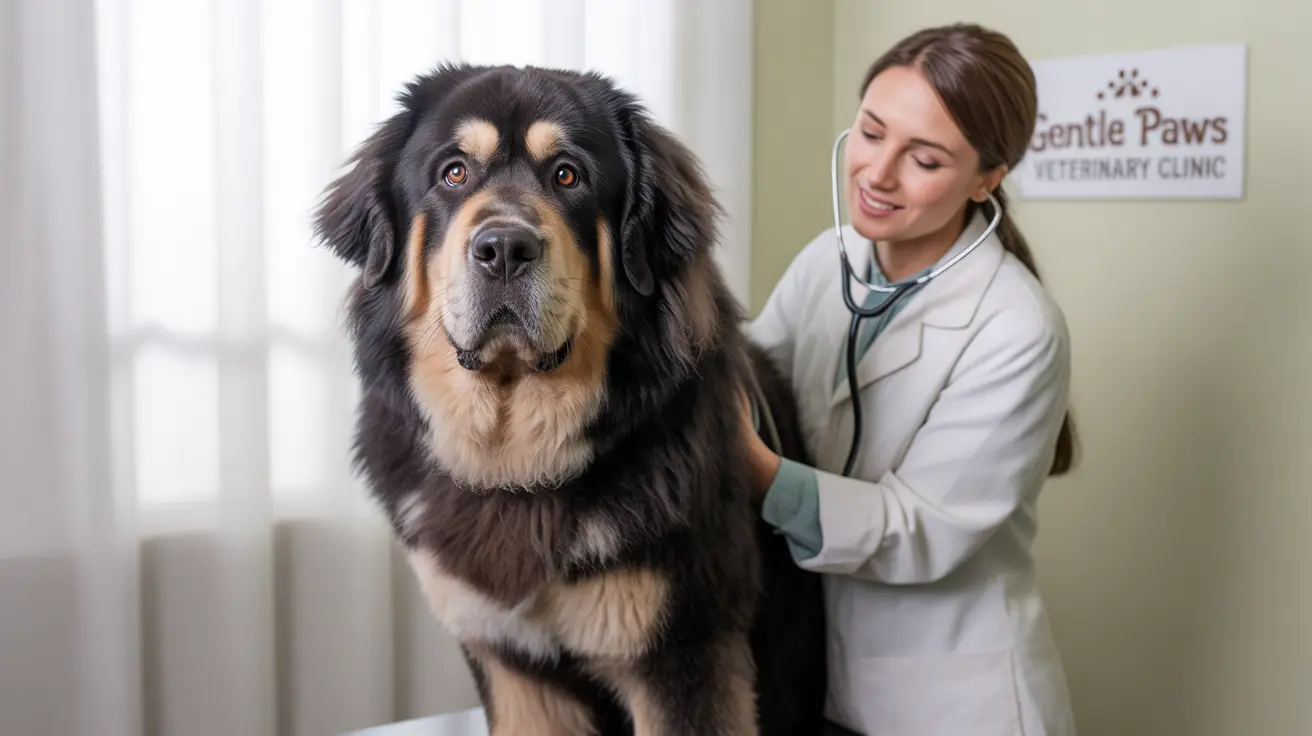
Many pet owners first notice a lump while grooming or petting their dog. The texture, mobility, and sensitivity of the lump can provide clues about its nature. For instance, a soft, movable lump might indicate a benign fatty tumor (lipoma), whereas a firm, fixed, or rapidly growing mass could suggest something more serious. However, only a veterinarian can determine the true cause through proper diagnostic testing. Understanding what to look for and how to respond calmly is the first step in protecting your dog’s health.
Because the neck is a vital area containing major blood vessels and airways, any swelling here deserves careful observation. Even a benign lump can cause discomfort or interfere with swallowing if it grows large enough. Therefore, scheduling a veterinary appointment as soon as you notice a lump is always the safest course of action. The next section explores the most common causes of such swellings and what each might mean for your pet.
Common Causes of a Golf-Ball-Sized Lump on a Dog’s Neck
Lumps on a dog’s neck can arise from a variety of conditions, ranging from minor infections to serious diseases. One of the most frequent causes is an enlarged lymph node, which often occurs when the body is fighting off infection or inflammation. Bacterial or viral infections, dental abscesses, or even skin wounds can trigger this immune response. In some cases, the swelling may subside once the infection resolves, but persistent or hard lymph nodes should always be checked for possible cancerous changes such as lymphoma.
Another common culprit is a lipoma, a benign fatty growth that typically feels soft and moves slightly under the skin. Lipomas are more common in older or overweight dogs and usually don’t cause pain. However, if a lipoma grows near the throat or jawline, it can press on nearby structures and cause discomfort. On the other hand, a firm, irregular, or ulcerated lump could indicate a malignant tumor such as a mast cell tumor or soft tissue sarcoma, both of which require surgical removal and further treatment.
In addition to tumors and lymph node enlargement, abscesses and cysts can also appear as lumps on the neck. Abscesses often develop after a bite wound or puncture, filling with pus and causing redness, warmth, and tenderness. Cysts, meanwhile, are fluid-filled sacs that may rupture or become infected. Because these conditions can look similar to more serious problems, diagnostic testing is essential. The next section outlines how veterinarians determine the cause of a lump and what tests you can expect during your visit.
Veterinary Diagnosis and Testing Procedures
When you bring your dog to the veterinarian for a neck lump, the first step is a thorough physical examination. The vet will assess the lump’s size, shape, texture, and mobility, as well as check for other swellings on the body. They may also ask about your dog’s recent behavior, appetite, and energy levels to identify any systemic symptoms. This initial evaluation helps narrow down potential causes and determine which diagnostic tests are most appropriate.
To confirm the nature of the lump, veterinarians often perform a fine-needle aspiration (FNA), a quick and minimally invasive procedure that collects a small sample of cells for microscopic analysis. In some cases, a biopsy may be necessary to obtain a larger tissue sample, especially if the FNA results are inconclusive. Blood tests can reveal signs of infection, inflammation, or organ dysfunction, while imaging studies such as X-rays or ultrasound help evaluate whether the lump has spread or is affecting deeper structures.
These diagnostic tools allow veterinarians to distinguish between benign and malignant growths and to plan the most effective treatment strategy. For example, if the lump is an abscess, antibiotics and drainage may resolve the issue. If it’s a tumor, surgery or additional therapies might be recommended. Understanding the diagnostic process can help pet owners feel more confident and prepared when discussing options with their vet. Once a diagnosis is made, the focus shifts to treatment and long-term management, which we’ll explore next.
Treatment Options and Home Care Strategies
Treatment for a lump on a dog’s neck depends entirely on the underlying cause. For infections or abscesses, veterinarians typically prescribe antibiotics and may drain the affected area to relieve pressure and pain. Anti-inflammatory medications can also help reduce swelling and discomfort. If the lump is a benign lipoma, your vet may recommend monitoring it for changes rather than immediate removal, especially if it’s not causing any functional problems.
When a lump is cancerous, surgical removal is often the first line of treatment. Depending on the type and stage of cancer, additional therapies such as chemotherapy, radiation, or immunotherapy may be advised. Early intervention greatly improves the prognosis, so prompt veterinary attention is crucial. In some cases, even benign lumps may need removal if they interfere with movement, swallowing, or breathing. Post-surgical care typically involves keeping the incision clean, preventing your dog from scratching or licking the area, and following up for suture removal and rechecks.
At home, pet owners can support recovery by maintaining a calm environment, ensuring proper nutrition, and monitoring for any signs of recurrence or infection. Regular grooming and gentle palpation can help you detect new lumps early. The next section discusses preventive measures and lifestyle adjustments that can reduce the risk of future lumps and promote overall well-being.
Prevention and Ongoing Monitoring
While not all lumps can be prevented, certain lifestyle and care practices can reduce the likelihood of serious problems. Maintaining a healthy weight through balanced nutrition and regular exercise helps minimize the formation of fatty tumors. Routine veterinary checkups—ideally twice a year for older dogs—allow early detection of any abnormalities before they become advanced. Keeping your dog’s vaccinations and parasite control up to date also lowers the risk of infections that can cause swollen lymph nodes or abscesses.
Regular grooming sessions provide an excellent opportunity to check for unusual bumps or skin changes. Pay special attention to the neck, under the jaw, and behind the ears, where lumps can easily go unnoticed beneath thick fur. If you find a new lump, note its size, texture, and whether it seems painful or warm to the touch. Documenting these details helps your veterinarian track changes over time and make informed recommendations.
Preventive care also includes dental hygiene, as oral infections can spread to nearby lymph nodes and cause swelling in the neck. Brushing your dog’s teeth regularly and scheduling professional cleanings can prevent many of these issues. By combining vigilant observation with consistent veterinary care, you can help ensure your dog remains healthy and comfortable throughout its life.
Finding a golf-ball-sized lump on your dog’s neck can be unsettling, but it’s important to remember that not all lumps are dangerous. The key is to act promptly, seek professional evaluation, and follow through with recommended diagnostics and treatments. Whether the cause is a simple infection, a benign fatty growth, or something more serious, early detection gives your dog the best chance for a positive outcome. Regular checkups, good nutrition, and attentive home care all play vital roles in preventing complications and maintaining your pet’s quality of life.
Ultimately, your veterinarian is your best partner in understanding and managing any lump or swelling. By staying observant and proactive, you can ensure that your dog receives the care it needs—keeping both of you worry-free and enjoying many healthy years together.
FAQ
What should I do first if I find a lump on my dog’s neck?
If you discover a lump, avoid pressing or attempting to drain it yourself. Instead, schedule a veterinary appointment as soon as possible. Note the lump’s size, shape, and whether it seems painful or warm. This information helps your vet assess urgency. Even if your dog appears comfortable, professional evaluation is essential to rule out infections, cysts, or tumors. Early diagnosis often leads to simpler, more effective treatment and prevents complications that could arise from waiting too long.
Can a lump on a dog’s neck be harmless?
Yes, many lumps are benign, such as lipomas or small cysts. However, because malignant tumors can look similar, it’s impossible to determine safety by appearance alone. A veterinarian can perform a fine-needle aspiration or biopsy to confirm the diagnosis. Even harmless lumps should be monitored for changes in size, texture, or color. If a lump grows rapidly or becomes painful, it’s time for a recheck. Regular observation ensures that any concerning developments are caught early.
How do veterinarians test a lump on a dog?
Veterinarians typically start with a physical exam, followed by diagnostic tests like fine-needle aspiration (FNA) or biopsy. FNA involves extracting a small sample of cells for microscopic analysis, while a biopsy removes a larger tissue section for more detailed study. Bloodwork and imaging tests such as X-rays or ultrasound may also be used to evaluate internal involvement. These methods help determine whether the lump is inflammatory, infectious, or cancerous, guiding the most appropriate treatment plan.
Are certain dog breeds more prone to neck lumps?
Some breeds are indeed more susceptible to specific types of lumps. For example, older Labrador Retrievers and Cocker Spaniels often develop lipomas, while Boxers and Golden Retrievers have a higher risk of mast cell tumors. However, any dog can develop a lump regardless of breed or age. Genetics, diet, and environmental factors all play roles. Regular veterinary checkups and maintaining a healthy lifestyle can help reduce risks and ensure early detection if a lump does appear.
Can infections cause lumps on a dog’s neck?
Yes, infections are a common cause of neck lumps. Swollen lymph nodes often indicate the body is fighting bacteria, viruses, or parasites. Abscesses, which are pockets of pus caused by wounds or bites, can also appear as painful swellings. These infections usually require antibiotics and sometimes drainage. Without treatment, they can worsen or spread. If your dog’s lump feels warm, red, or tender, or if your pet has a fever or loss of appetite, seek veterinary care immediately.
When is surgery necessary for a dog’s neck lump?
Surgery is recommended when the lump is malignant, growing rapidly, or interfering with vital functions like swallowing or breathing. It may also be advised for benign lumps that cause discomfort or restrict movement. Before surgery, your veterinarian will perform diagnostic tests to assess the lump’s nature and ensure your dog is healthy enough for anesthesia. Post-operative care includes monitoring the incision, preventing licking, and attending follow-up visits to ensure proper healing and to check for recurrence.
How can I monitor my dog’s lump at home?
Keep a simple log noting the lump’s size, shape, and any changes you observe. Measure it periodically using a soft tape measure and record the date. Watch for signs such as redness, discharge, or sudden growth. If any of these occur, contact your veterinarian promptly. Avoid manipulating the lump excessively, as this can cause irritation. Regular monitoring helps your vet make informed decisions about whether the lump is stable or requires further intervention.
Can diet or lifestyle affect the development of lumps?
Yes, overall health plays a role in how a dog’s body responds to inflammation and fat accumulation. A balanced diet rich in lean protein, healthy fats, and antioxidants supports immune function and tissue repair. Obesity increases the likelihood of lipomas, so maintaining a healthy weight through portion control and regular exercise is beneficial. Additionally, minimizing exposure to environmental toxins and ensuring good dental hygiene can reduce infection risks that sometimes lead to swollen lymph nodes or abscesses.
What is the prognosis for dogs with neck lumps?
The outlook depends on the underlying cause. Benign lumps like lipomas or cysts generally have an excellent prognosis and may never cause problems. Infections usually resolve with proper treatment. Malignant tumors vary in outcome depending on type, stage, and how quickly they are treated. Early detection and prompt veterinary care significantly improve survival rates and quality of life. Regular checkups and vigilant observation remain the best tools for ensuring a positive prognosis.
How can I prevent future lumps from forming?
While not all lumps are preventable, you can reduce risk through consistent care. Feed a balanced diet, maintain a healthy weight, and schedule routine veterinary exams. Keep your dog’s vaccinations current and practice good dental hygiene to prevent infections that might cause swelling. During grooming, gently check for new lumps or skin changes. Early detection and preventive care together provide the best defense against serious health issues and help your dog stay healthy for years to come.




