
What Causes Nocardia Infections in Cats?
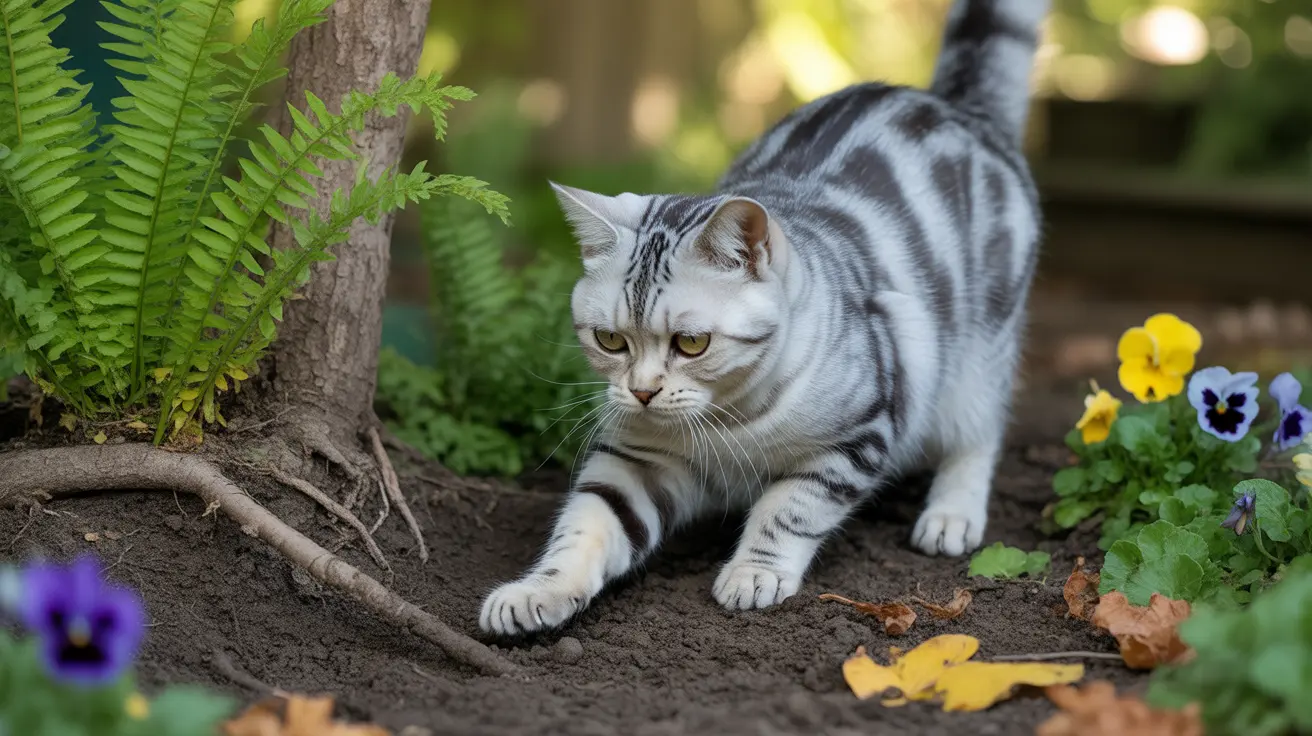
Nocardia bacteria naturally occur in soil, decaying vegetation, and organic matter. Cats typically contract these infections through two main routes:
- Inhaling contaminated dust or soil particles
- Direct contact through skin wounds or scratches
Outdoor cats who enjoy digging or those with existing injuries are particularly susceptible to infection. The bacteria can enter through even minor cuts or abrasions, making proper wound care essential for prevention.
Recognizing the Signs of Nocardia Infection
Nocardiosis can manifest in several ways, depending on how the infection entered the body and which organs are affected. Common symptoms include:
Skin and Wound Symptoms
- Non-healing wounds
- Draining abscesses
- Swollen lymph nodes
- Visible granules in wound discharge
Respiratory Signs
- Persistent cough
- Difficulty breathing
- Pneumonia-like symptoms
- Chest fluid accumulation
General Health Changes
- Decreased appetite
- Lethargy
- Unexplained weight loss
- Fever
Diagnosis and Treatment Approaches
Diagnosing nocardiosis requires specialized laboratory testing, including bacterial cultures and microscopic examination of samples. Your veterinarian may also recommend imaging tests to assess the extent of infection, particularly in cases with respiratory involvement.
Treatment typically involves:
- Long-term antibiotic therapy (often 3-12 months)
- Regular monitoring and follow-up care
- Possible surgical intervention for severe cases
- Supportive care to maintain overall health
Prevention and Risk Management
While completely preventing nocardiosis can be challenging, several measures can help reduce your cat's risk:
- Limit unsupervised outdoor access
- Clean and monitor any wounds promptly
- Maintain regular veterinary check-ups
- Keep your cat's immune system strong through proper nutrition
Frequently Asked Questions
What are the common signs and symptoms of nocardiosis in cats, and how can I recognize them early?
Early signs include persistent wounds that won't heal, respiratory difficulties, decreased appetite, and lethargy. Any combination of these symptoms, especially in outdoor cats, should prompt a veterinary visit.
How do cats typically contract Nocardia infections, and what environments increase the risk?
Cats primarily contract Nocardia through soil exposure, either by inhaling contaminated particles or through skin wounds. Gardens, compost areas, and places with disturbed soil pose the highest risk.
What are the most effective antibiotics and treatment strategies for managing nocardiosis in cats?
Treatment typically involves long-term antibiotics, with trimethoprim-sulfonamide combinations being most common. The exact protocol depends on bacterial culture results and may require 3-12 months of consistent treatment.
How is nocardiosis diagnosed in cats, and why is laboratory testing important for treatment?
Diagnosis requires specialized laboratory testing, including bacterial cultures and microscopic examination. This testing is crucial for identifying the specific Nocardia strain and determining the most effective antibiotics.
What prevention measures can cat owners take to reduce the risk of Nocardia infection in their pets?
Owners should limit exposure to high-risk environments, promptly clean and monitor wounds, maintain regular veterinary care, and support their cat's immune system through proper nutrition and healthcare.
With proper awareness and quick action, cat owners can help ensure better outcomes for their pets if nocardiosis occurs. Always consult with your veterinarian if you notice any concerning symptoms, as early intervention is key to successful treatment.




