
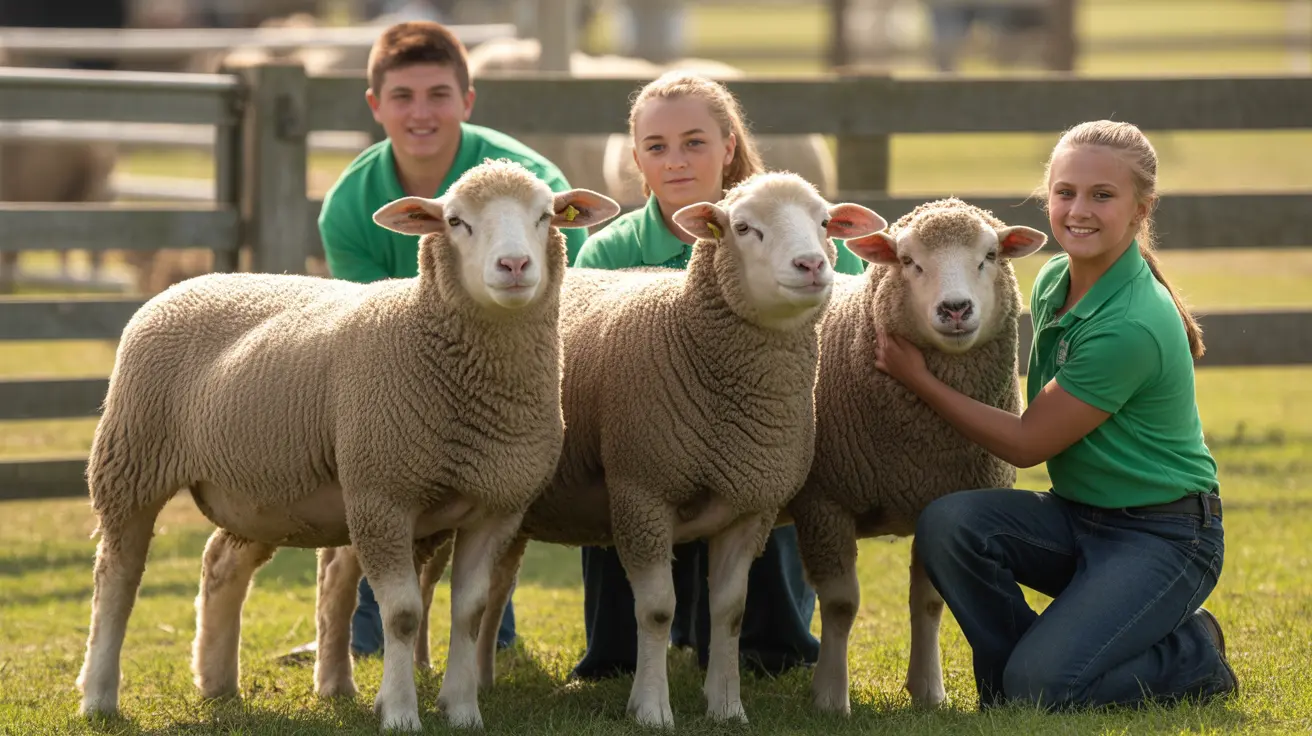
As livestock exhibitors across North Dakota prepare for the upcoming summer show season, state officials are emphasizing the critical importance of following proper North Dakota CVI requirements when bringing project animals into the state. With winter forecasted to continue for several more weeks, exhibitors have valuable time to ensure they understand and comply with Certificate of Veterinary Inspection livestock regulations that protect both their animals and the broader agricultural community.
These regulations serve as a vital biosecurity measure, preventing the spread of diseases that could devastate livestock populations and agricultural economies. For exhibitors planning to participate in events like the North Dakota State Fair animal health programs, understanding these requirements isn't just about compliance—it's about protecting the health of all animals involved.
Understanding Certificate of Veterinary Inspection Requirements
The Certificate of Veterinary Inspection (CVI) serves as a critical document that verifies the health status of livestock being transported across state lines. This paperwork requirement applies to all out-of-state show animals CVI documentation when animals are brought into North Dakota for exhibitions, fairs, and other livestock events.
North Dakota's livestock import rules mandate that animals originating from other states must have current health certificates issued by licensed veterinarians. These documents provide essential information about the animal's health history, vaccination status, and origin—creating a paper trail that enables rapid response in case of disease outbreaks.
Why CVI Documentation Matters for Disease Prevention
The importance of proper documentation has become increasingly apparent as livestock industries face ongoing threats from diseases like equine herpesvirus and HPAI (Highly Pathogenic Avian Influenza). The equine herpesvirus CVI traceability system allows officials to quickly identify and isolate potentially affected animals, preventing widespread outbreaks that could shut down entire show circuits.
Similarly, HPAI livestock protection ND measures rely heavily on accurate animal movement records. When exhibitors comply with CVI requirements, they contribute to a comprehensive biosecurity network that protects not just their own animals, but entire regional livestock populations.
Enforcement and Penalties
The ND Board of Animal Health enforcement takes these regulations seriously, with significant financial consequences for non-compliance. CVI fines North Dakota can be substantial, making it far more cost-effective to obtain proper documentation than to risk violations.
Exhibitors should be aware that livestock exhibitors 2026 regulations may include enhanced enforcement measures as officials work to strengthen biosecurity protocols across all agricultural sectors.
Resources and Support for Exhibitors
Fortunately, exhibitors don't have to navigate these requirements alone. NDSU Extension animal health programs provide valuable guidance and resources to help livestock owners understand and comply with state regulations. These educational resources cover everything from basic CVI requirements to advanced biosecurity practices.
For those dealing with electronic documentation, eCVI for North Dakota animals systems are becoming increasingly common, streamlining the process while maintaining the same level of health monitoring and traceability.
Best Practices for Importing Show Livestock
When importing show livestock ND exhibitors should plan ahead, contacting veterinarians well before intended travel dates to ensure adequate time for health examinations and documentation. This is particularly important when purchasing animals from out-of-state sales, where multiple animals from different sources may require individual health certificates.
Biosecurity for ND fairs extends beyond paperwork—exhibitors should also consider quarantine periods, vaccination schedules, and ongoing health monitoring as part of their comprehensive animal care protocols.
Frequently Asked Questions
What is a Certificate of Veterinary Inspection (CVI) required for livestock exhibitors in North Dakota?
A Certificate of Veterinary Inspection is an official health document issued by a licensed veterinarian that verifies an animal's health status, vaccination history, and origin. It's required for all livestock being brought into North Dakota from other states for exhibitions and shows.
Do out-of-state show animals need a CVI for North Dakota fairs and events in 2026?
Yes, all livestock originating from outside North Dakota must have current CVI documentation when entering the state for fairs, shows, and other exhibitions. This requirement helps maintain biosecurity and enables rapid disease response if needed.
What are the fines for importing livestock without a CVI in North Dakota?
While specific fine amounts weren't detailed in available information, penalties for non-compliance can be substantial. The North Dakota Board of Animal Health enforces these regulations seriously, making proper documentation far more cost-effective than risking violations.
Preparing for a Successful Show Season
As the show season approaches, exhibitors who take time now to understand and comply with North Dakota CVI requirements will be well-positioned for successful participation in state fairs and exhibitions. By prioritizing animal health documentation and biosecurity measures, livestock exhibitors contribute to a safer, more sustainable agricultural community while protecting their own investments and animals.
The effort invested in proper documentation and health protocols pays dividends not only in regulatory compliance but in the overall health and performance of show animals throughout the competitive season.




