
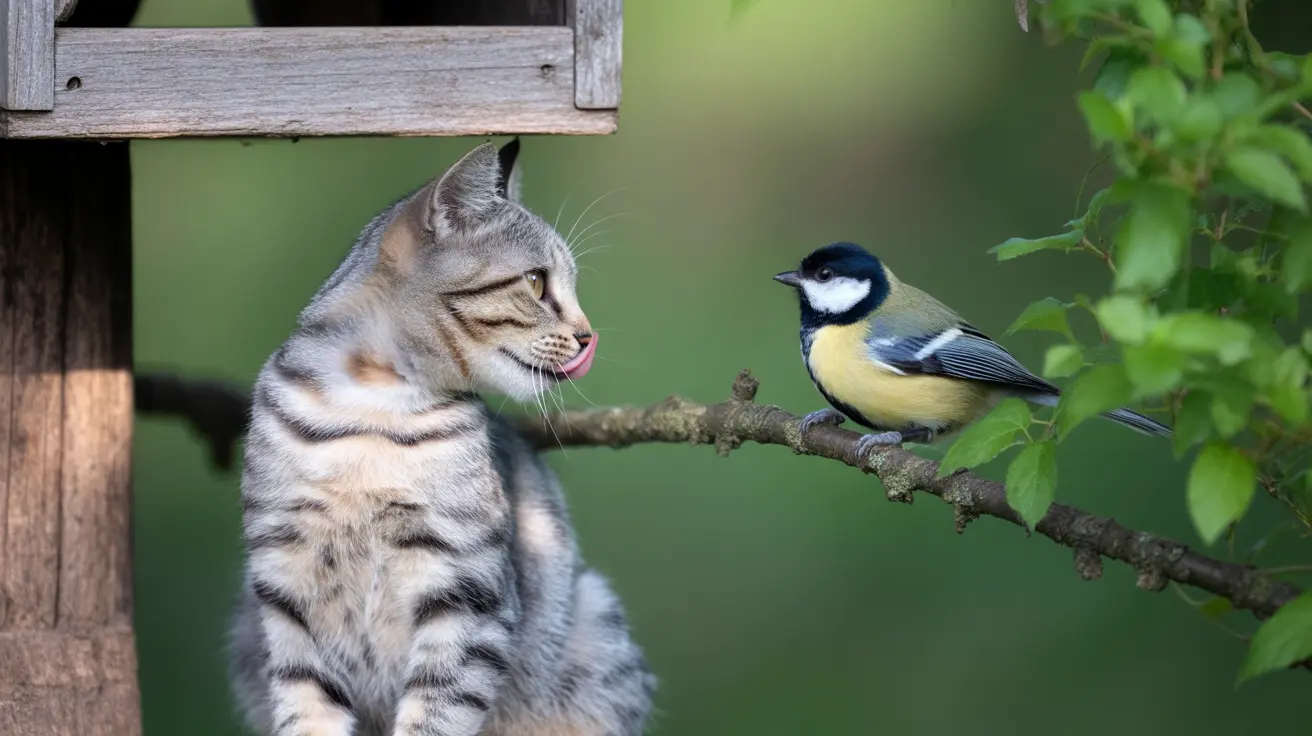
While cats make beloved companions for millions of American families, their outdoor hunting behavior creates a significant environmental challenge that many pet owners don't fully recognize. Domestic cats are natural predators whose hunting instincts remain strong even when they're well-fed at home, leading to substantial impacts on local wildlife populations across the United States.
The ecological consequences of free-ranging cats extend far beyond what most pet parents realize. Understanding this impact is crucial for responsible cat ownership and protecting the delicate balance of our local ecosystems while still ensuring our feline friends live fulfilling lives.
Cats Killing Birds: The Scale of the Problem
The predatory nature of domestic cats poses a serious threat to bird populations nationwide. Even well-fed pet cats retain their natural hunting instincts, which drive them to stalk and kill prey regardless of hunger. This behavior stems from millions of years of evolution and cannot be eliminated through proper feeding or training.
Free-ranging cats impact wildlife through both direct predation and indirect effects such as stress on prey species. Their presence alone can alter the behavior patterns of birds and small mammals, affecting breeding success and survival rates even when no direct kills occur.
Understanding Domestic Cats Predation Patterns
Pet cats hunting instinct operates independently of their nutritional needs. Unlike wild predators that hunt primarily for survival, domestic cats often engage in surplus killing – capturing and killing more prey than they can consume. This behavior is particularly concerning because it means that providing adequate food at home doesn't reduce a cat's impact on local wildlife.
The hunting success rate of domestic cats is remarkably high compared to their wild counterparts, partly because they have guaranteed food sources at home and can dedicate more energy to hunting activities. Their hunting sessions often occur during dawn and dusk hours when many bird species are most active.
The Broader Outdoor Cats Wildlife Impact
Beyond individual hunting events, the cumulative effect of millions of outdoor cats creates ecosystem-wide disruptions. Small mammals, reptiles, amphibians, and birds all face pressure from cat predation, with some species experiencing population declines in areas with high concentrations of free-ranging cats.
Feral cats ecology threat extends to endangered and threatened species that may be particularly vulnerable to additional predation pressure. Island ecosystems and areas with already fragmented habitats face especially severe impacts from cat predation.
Keep Cats Indoors Benefits for Everyone
Transitioning cats to indoor living provides numerous advantages for both pets and wildlife. Indoor cats typically live longer, healthier lives free from dangers like traffic, predators, diseases, and exposure to harsh weather conditions. They also eliminate their impact on local wildlife populations.
Creating an enriching indoor environment helps address concerns about cat boredom and behavioral issues. Interactive toys, climbing structures, window perches, and puzzle feeders can provide mental and physical stimulation that satisfies many of cats' natural behaviors safely indoors.
Catio Enclosures: A Compromise Solution
For cat owners seeking middle ground between indoor and outdoor access, enclosed outdoor spaces offer an excellent solution. These structures allow cats to experience fresh air, sunshine, and outdoor sights and sounds while preventing wildlife predation and protecting cats from outdoor dangers.
Catio designs range from simple window attachments to elaborate backyard structures. Even small balcony enclosures can provide significant enrichment for indoor cats while maintaining wildlife protection.
Addressing Feral Cat Populations
Managing feral and stray cat populations requires community-wide approaches that balance animal welfare with environmental protection. Trap-neuter-return programs help control population growth while addressing existing colonies humanely.
Supporting local animal welfare organizations through volunteering, donations, or fostering helps reduce the number of cats entering feral populations while finding homes for adoptable animals.
Frequently Asked Questions
How many birds do outdoor cats kill each year in the US? While specific numbers vary by study and methodology, research consistently shows that free-ranging cats kill billions of birds annually in the United States. The impact varies by region, with higher mortality rates in areas with dense cat populations and vulnerable bird species.
Why do pet cats hunt and kill wildlife even when they're well-fed? Hunting behavior in cats is instinctual and separate from hunger. Even well-fed domestic cats retain strong predatory drives that compel them to stalk, chase, and kill prey. This behavior cannot be trained out or eliminated through adequate feeding.
What are the best ways to keep cats indoors without them getting bored? Successful indoor enrichment includes providing vertical climbing spaces, interactive toys, puzzle feeders, window viewing areas, and regular play sessions. Rotating toys and creating engaging environments helps prevent boredom while keeping cats mentally and physically stimulated.
Moving Forward Responsibly
Balancing our love for cats with environmental responsibility requires thoughtful approaches to pet ownership. By understanding the ecological impact of outdoor cats and implementing solutions like indoor enrichment or secure outdoor enclosures, pet parents can provide excellent care for their feline companions while protecting local wildlife populations.
Making informed decisions about cat care benefits everyone – from the cats themselves to the diverse wildlife that shares our communities. Every small step toward responsible cat ownership contributes to healthier ecosystems and happier, safer pets.




